Environment
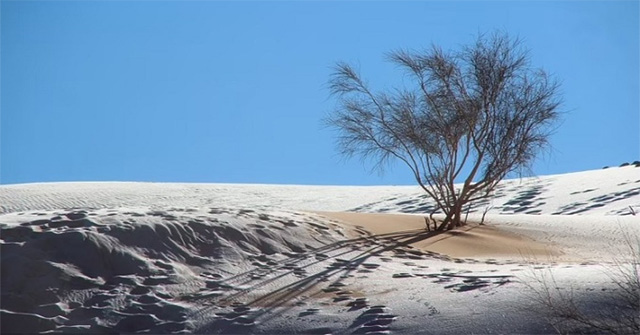
Rare snow covers the Sahara desert
Snow and ice cover the sand in the Sahara Desert after the temperature here dropped to -2 degrees Celsius under the influence of a high-pressure cold air mass.
Browse ScienceInfo articles and explainers related to Climate.
1,891 published items.
Snow and ice cover the sand in the Sahara Desert after the temperature here dropped to -2 degrees Celsius under the influence of a high-pressure cold air mass.

Climate change may have been the main cause of the extinction of ancient lions and bears about a millennium ago.

Experts argue that while injecting billions of sulfur particles into the atmosphere's stratosphere helps to reflect most of the sun's rays, the consequences could outwei…
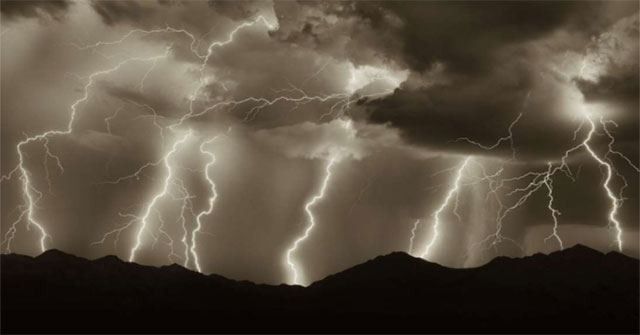
In 2021, the Arctic region saw 7,278 lightning bolts, twice as many as in the previous nine years combined. This is a rare phenomenon.
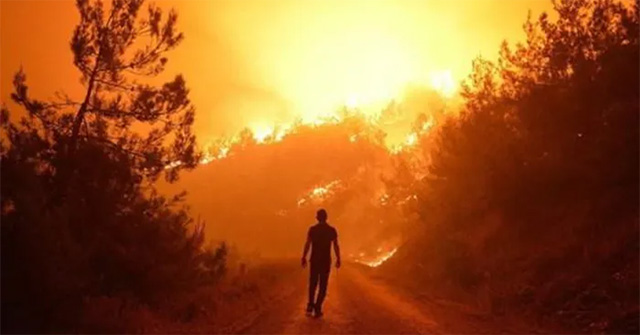
Most countries on Earth are likely to experience extreme heat waves every two years by 2030.
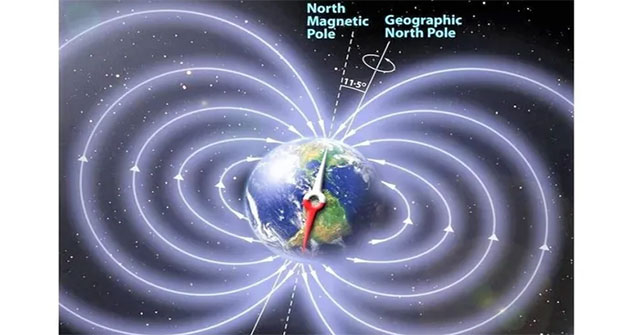
The Earth's magnetic north pole continues to shift for reasons that have not been fully explained by science.

Severe weather for days in Alaska (USA) followed by record low temperatures and downpours has prompted authorities to warn of 'Icemageddon'.
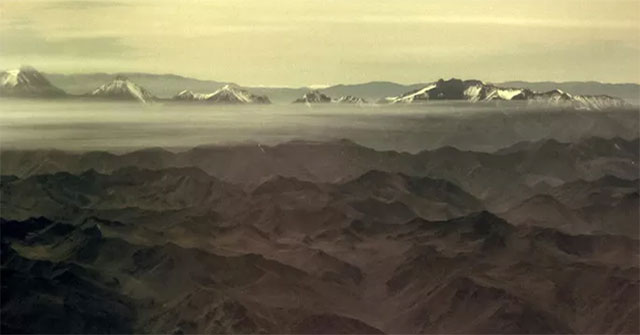
Desert dust - fine and capable of reaching high into the sky like ghosts - has the ability to destroy many pollutants, but also silently causes terrifying effects.

Hydrogen-powered ferries that can carry 75 passengers are environmentally friendly, which can help save the planet from the ill effects of climate change.
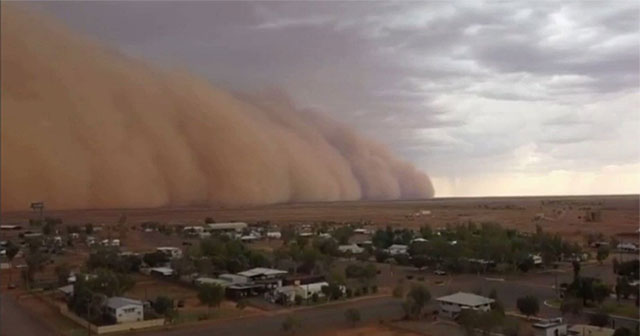
A terrible dust storm hits an Australian town and creates a scene like

Chinese submersibles discovered large amounts of mercury accumulated in the deepest parts of the ocean, including the Mariana Trench.
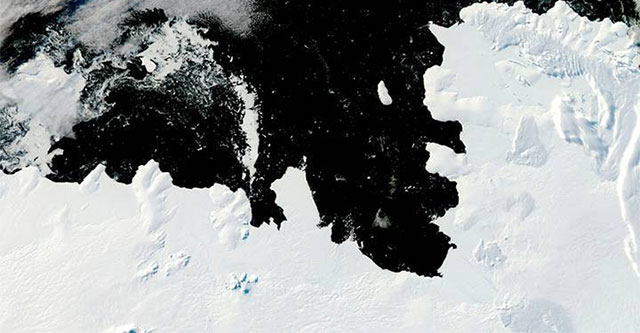
Scientists fear the Thwaites Glacier in Antarctica is fracturing and could shatter as easily as a car window.
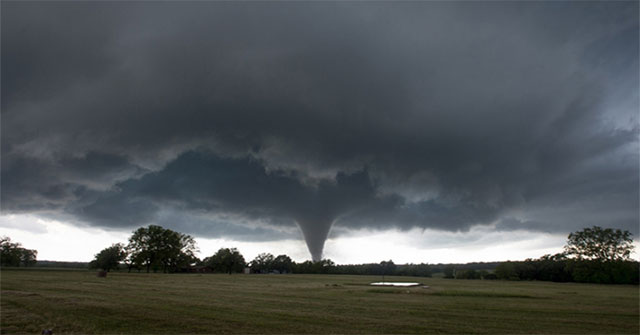
Global warming may create favorable conditions for tornadoes, but scientists are cautious about talking about a direct link.

New NASA graphic shows the path of microplastics around the oceans across the Earth's surface.
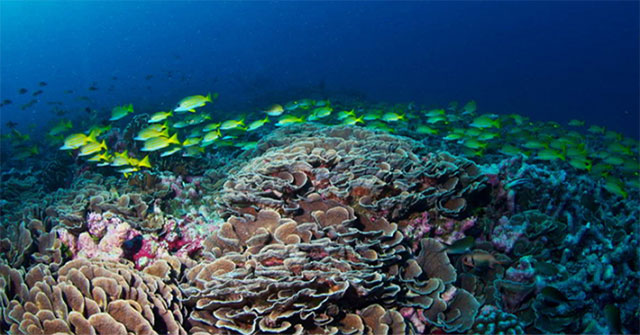
New research warns coral reefs in the western Indian Ocean could disappear completely in the next 50 years if urgent action is not taken.