
New technology
Russian troops are developing invisibility cloaks
Russian scientists have begun developing a filter that can remove harmful micro-particle particles, including viral particles. Especially it will make people invisible.
Browse ScienceInfo articles and explainers related to Cloak.
56 published items.
Russian scientists have begun developing a filter that can remove harmful micro-particle particles, including viral particles. Especially it will make people invisible.

By bending light in a diffuse environment, a research team created a new solution as a breakthrough in stealth technology.

US researchers have demonstrated that there are basic physical limitations that make invisibility cloaks nearly impossible.
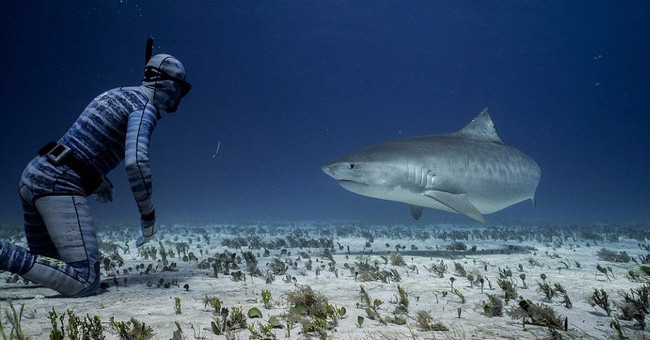
With this invisibility dive, you will be spoiled by the shark without fear of being attacked by them.

British military soldiers participating in a new camouflage test can help them not to be detected by cameras, even infrared glasses and heat sensors.

New research by German and New Zealand scientists indicates that invisible coats are easy to detect when the relative speed between the shirt and the observer changes.

Chinese scientists have found a way to produce stealth materials on a large scale and at a cheaper cost.
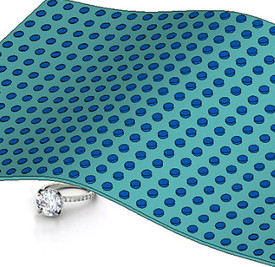
Future US Predator UAV drone fleet may be harder to detect and shoot down thanks to a new type of camouflage cover developed by the University of California, San Diego (…
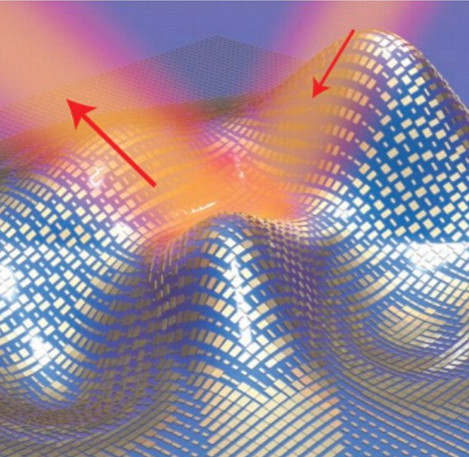
Invisibility cloak is an indispensable item in many cult sci-fi movies, from Star Trek to Harry Potter.
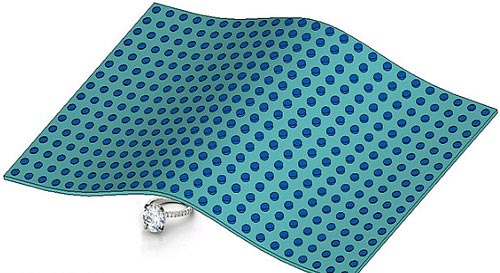
Not exactly a sewing magic material, so Harry Potter's invisibility cloak, but scientists claim to be closer to making
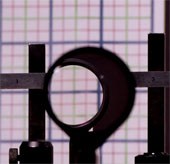
The stealth technology of US scientists uses multiple layers of lenses, which can cause the object to disappear in the eyes of the observer.
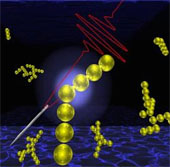
Invisibility cloak may not yet come true, but a method of creating light-based materials can be used in the near future to create this type of cloak.
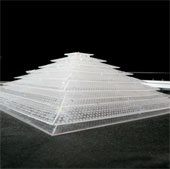
US scientists have just released a type
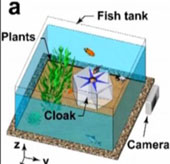
Scientists in eastern China have just released the technology
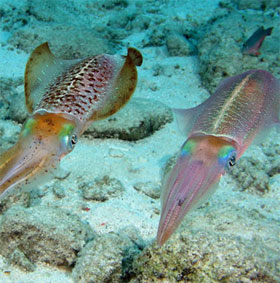
That's why the scientists at the University of California at Irvine (USA) studied the creation of a garment