Environment
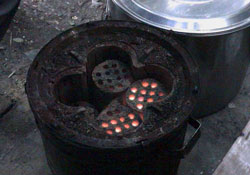
Coal gas from primitive stoves affects human health
A study published in the journal Science (USA) on October 13 showed that primitive stoves, still widely used in the world, are the cause of killing about 2 million peopl…
Browse ScienceInfo articles and explainers related to Coal.
183 published items.
A study published in the journal Science (USA) on October 13 showed that primitive stoves, still widely used in the world, are the cause of killing about 2 million peopl…
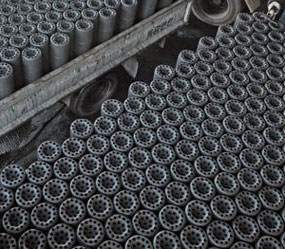
At a fuel exhibition held in the city of Kemerovo (Russian Federation), scientists introduced a new fuel with great potential for use, replacing coal.
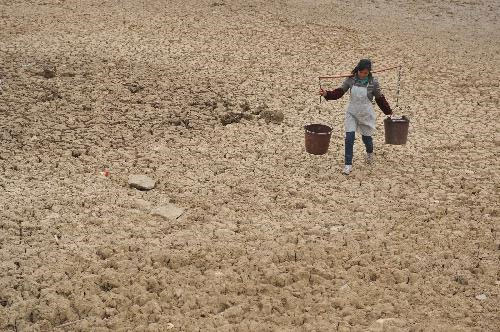
Chinese factories are facing policies to limit electricity use, in the context of rising coal prices and prolonged droughts affecting the operation of hydropower plants,…
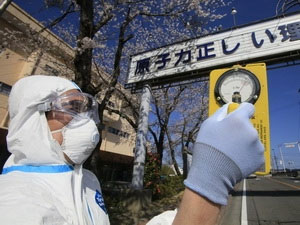
Regarding the incident of the Fukushima 1 nuclear power plant, the Fukushima prefectural authorities on May 1 said authorities have detected high concentrations of radio…
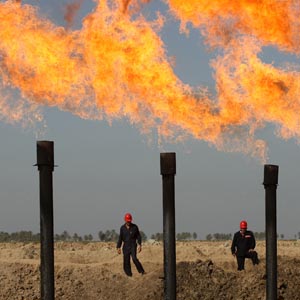
If we continue to scale and speed consumption of original energy sources today, the world will push itself into global environmental disasters.
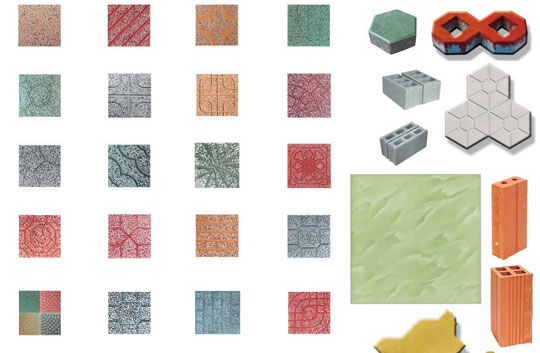
Unburnt building materials have many outstanding advantages such as abundant and easy to find raw materials; reduce emissions, protect the environment.
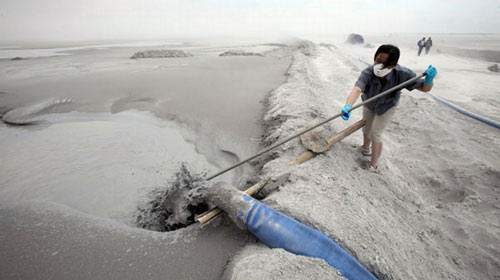
In the picture is a worker of the No. 2 Energy Plant in Soc Chau (China) working on the factory's huge haze.

Starting in 2011, Indonesia will carry out the conversion of CBM (Coal Bed Methane) coal into liquefied natural gas (LNG).

The Oceanographic Research and Development Agency Japan has embarked on the development of a technology to turn carbon dioxide emissions (CO2) into natural methane gas.
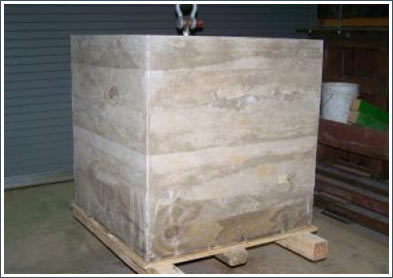
Polymer concrete. This concrete not only reduces greenhouse gases but also increases the durability of construction works many times.
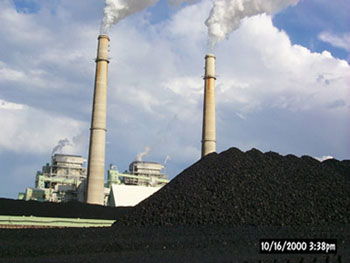
Queensland University researchers have successfully tested a new technology that promises to revolutionize the use of energy from coal.

A British scientist has found a way to turn banana waste into a kind of briquettes for cooking, lighting and heating.

Thanks to the roots of four to five meters long, vetiver grass is a giant net that holds and improves soil for coal dumps.

A port city in northern Denmark is determined to become the first in the world to not use gasoline, oil, coal and other fossil fuels in the next 7 years.

To reduce dependence on coal and oil, China will build two large solar power plants this year.