Space science
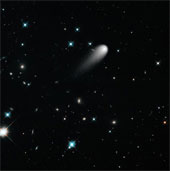
Spectacular new image of the comet of the century
To create the latest image of ISON, dubbed the century comet, researchers have assembled five different images transmitted from the Hubble telescope.
Browse ScienceInfo articles and explainers related to Comet.
367 published items.
To create the latest image of ISON, dubbed the century comet, researchers have assembled five different images transmitted from the Hubble telescope.
The US Aeronautics and Space Agency (NASA) said one of its spacecraft had long suspected that the solar system had a tail like a comet.
Comet Lovejoy has committed suicide into the sun but ended up surviving, at the same time uncovering the unprecedented landscape to help the Earth expert observe the sun…
It is estimated that each year the Red Planet suffers more than 200 events
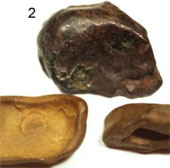
A Russian scientist has claimed to have found the first meteorite in a mysterious explosion in Siberia in 1908. The Tunguska event in June 1908 was one of the mysterious…
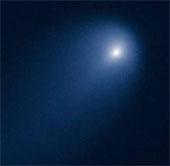
Hubble took the first close-up picture of ISON, the name of the comet, on the evening of April 10 - when comet was about 630 million kilometers from Earth, National Geog…
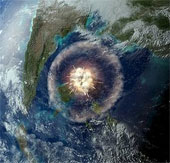
American scientists announced the study of space rocks that collided with Earth 65 million years ago, causing the extinction of dinosaurs as a comet, rather than an aste…
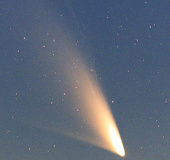
Eclipse Travel - a travel company in the city of Bonn, Germany - and two Air Partner and Air Berlin airlines will hold a special flight on March 16.
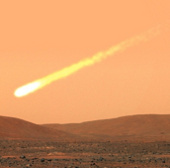
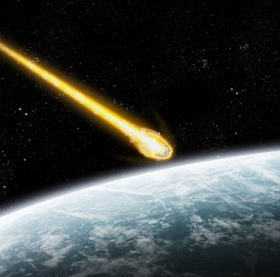
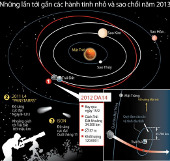
According to astronomers, the super comet named ISON will approach the Earth but does not cause any impact on human safety.
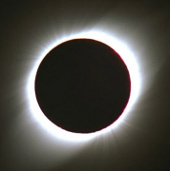
In 2013, Vietnamese astronomers will twice have the opportunity to admire the eclectic astronomical phenomena, according to Dang Vu Tuan Son, Chairman of Vietnam Young A…
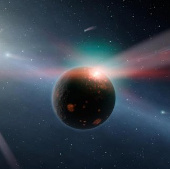
American astronomers say they have discovered six possible objects, comets around distant stars, a sign that comets are also popular out there rather than a special feat…
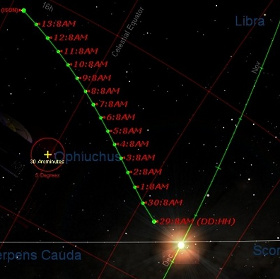
Astronomers believe that ISON, comet will appear on November 28, 2013, the brightest ever.
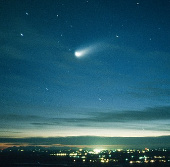
Comet giant is discovered by two Russian astronomers