
Medicine - Health
Strange girl: Never knows pain
A girl who could not feel pain, urged scientists to learn about a gene mutation that affects how we perceive pain.
Browse ScienceInfo articles and explainers related to Congenital.
93 published items.
A girl who could not feel pain, urged scientists to learn about a gene mutation that affects how we perceive pain.

According to the Centers for Disease Control and Prevention (CDC), nearly every 40,000 American children born with congenital heart defects every year, nearly 1,000 babi…

A 24-year-old man in China suffers from a congenital heart defect located in the abdominal cavity, making him feel short of breath and tired when standing upright.

From November 1, the country officially allows parents to fill in the gender section of their child's birth certificate

Although only 50% chance of survival after birth, a 5-month-old Scottish boy is still resilient to death due to the support of a very special medicine - Viagra.

Nina has the appearance of a healthy child but her body is unable to resist any kind of bacteria, even the weakest. That means coughing or sneezing can kill you.
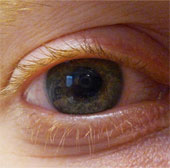
A group of Israeli scientists from Bar-Ilan University has developed technology that can help innate blind people to see it, with the help of an electronic biological co…

Two separate studies of the human genome have found new clues to the genetic cause of testicular cancer and the non-hereditary cause of congenital heart disease.

Pregnant women can transmit the effects of stress (stress) through the placenta. This effect is caused by a protein that has different effects on the developing brains o…

Obese women can put their babies at risk of congenital cardiovascular disease: Infants often have early signs of heart disease at birth. One-third of women of childbeari…
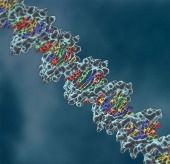
The British Journal of Natural Medicine released Feb. 4, scientists at Rosalind Franklin University of Medicine and Science in the United States have recovered some of t…

Girl Katie Renfroe, 4, has a rare congenital hypertrophy syndrome, causing some of her facial parts to be unusually large.

For the first time in a laboratory a gene therapy has successfully restored olfactory ability in mice, opening new hopes for treating congenital olfactory loss or human…

According to scientists, congenital blindness is a disease caused by recessive chromosomes through retinal degeneration and only about 70% of the causes are found, while…
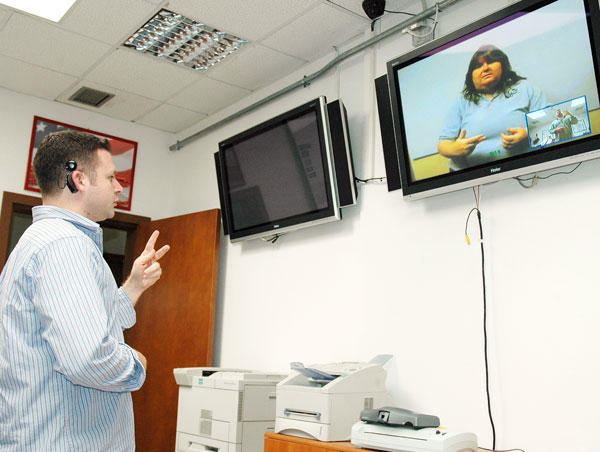
The new study, published in The Journal of Neuroscience, shows that deaf people use the so-called