Archeology
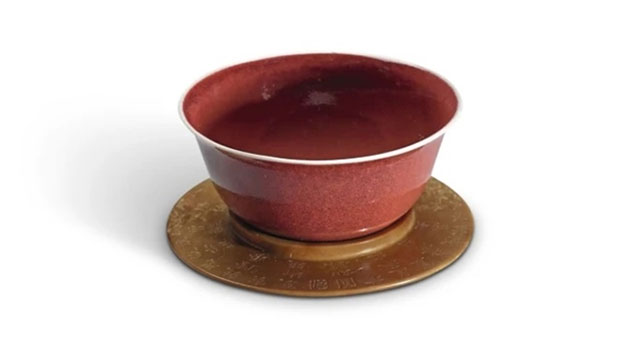
A nearly 600-year-old bowl from the Ming Dynasty is valued at $1.9 million.
A red-glazed bowl from the reign of Emperor Ming Xuanzong, nearly 600 years ago, sold for $1.9 million (44 billion VND).
Browse ScienceInfo articles and explainers related to Copper.
200 published items.
A red-glazed bowl from the reign of Emperor Ming Xuanzong, nearly 600 years ago, sold for $1.9 million (44 billion VND).
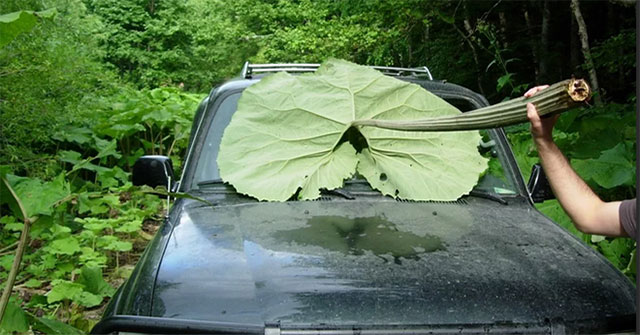
Located in Russia's Far East, Sakhalin Island is said to be home to giant versions of common plants, such as buckwheat, burdock and morning glory… which can grow up to 5…

Your body could become a battery for wearable devices thanks to a breakthrough in harvesting waste energy from 6G wireless communications networks.
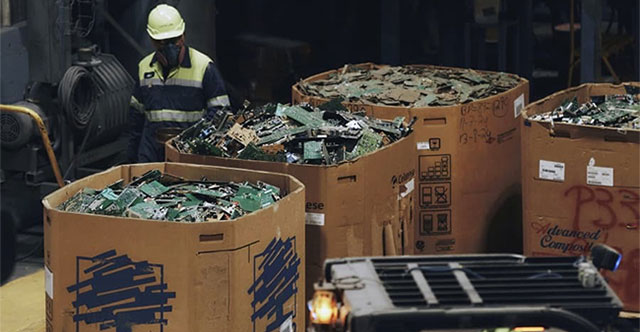
A 97-year-old mining company is turning what would otherwise be discarded in drawers and landfills into a precious material the world needs.

Copper miners in the Carpathian Mountains likely invented the wheel to make transporting ore easier.
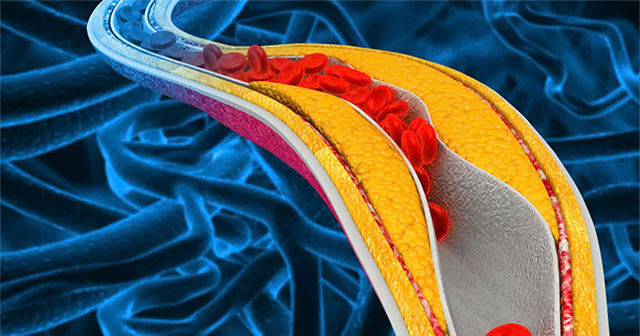
Exposure to heavy metals such as cadmium, uranium and copper can cause not only cancer, neurological and reproductive problems, but also cardiovascular disease, a new st…
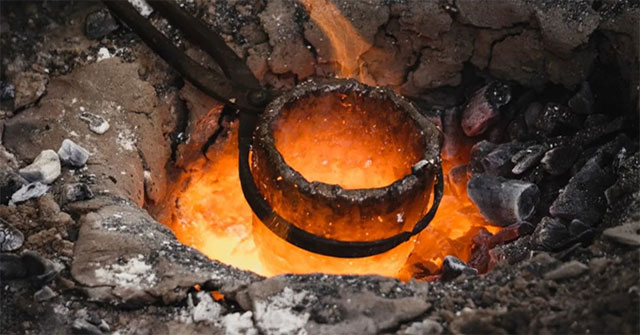
5,000 years ago, people moved from the Stone Age to the Bronze Age thanks to the advent of metallurgy, separating metals from impurities.

This is also the first complete sponge fossil this museum has collected since 1958.

This tree is grown as an ornamental plant in many parts of the world because of its striking copper-red bark, rare in woody plants.
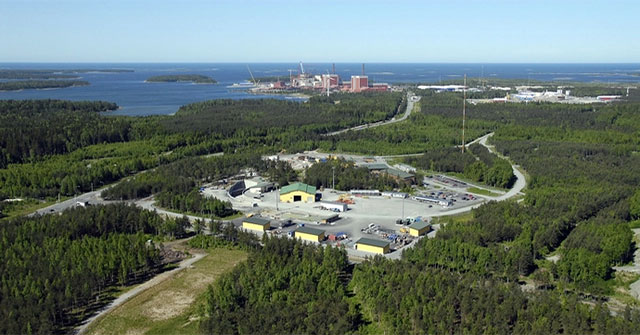
The foundation beneath Onkalo has been stable for at least the past 1 billion years. Geologists say the area won't experience any more earthquakes until the next ice age.
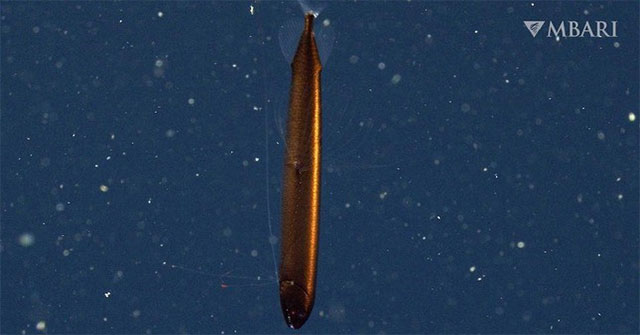
This is the rarest of all arowana species, and scientists have previously only found live individuals a handful of times.
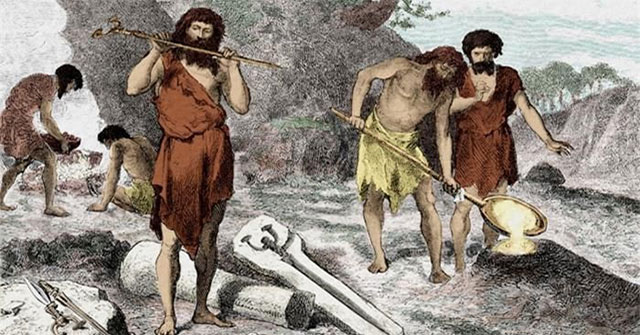
The Bronze Age is one of the important periods in the development of human history.

The scientists tweaked the anode, which is usually made from graphite of lithium-ion batteries, thereby shortening the charging time.

Recently, scientists discovered the protein and process behind how bloodworms form their jaws.
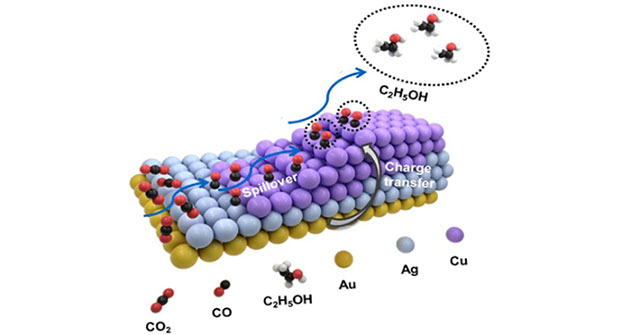
Chemists have developed a microstructure that could potentially improve the chemistry of capturing carbon from the atmosphere.