Oceanography
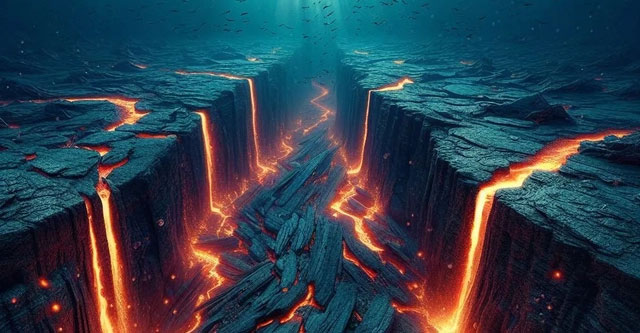
The ocean floor is being torn apart off the coast of Canada
Earthquake activity off the coast of Vancouver - Canada suggests the birth of a completely new ocean crust.
Browse ScienceInfo articles and explainers related to Crust.
141 published items.
Earthquake activity off the coast of Vancouver - Canada suggests the birth of a completely new ocean crust.
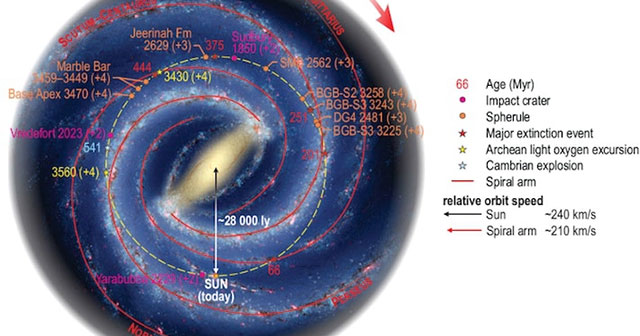
Unlike any other planet, the Earth's surface possesses both continents and oceans. Scientists have pointed out the factors that drove the formation of the continents as…
One day, all the heat on the planet will be lost due to a mineral called Bridgmanite.
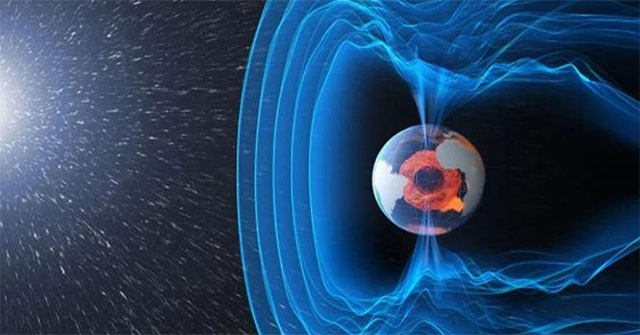
Earth's protective crust has undergone an unusual change over the past two centuries, which may affect the planet's magnetic polarity reversal.

The 33 precious zircon crystals, which look like extremely dark rubies, are time capsules that help reveal what happened on Earth 3.3 to 4.15 billion years ago.

An ancient event caused the Earth's crust to partially melt, creating openings that let helium-3 treasure from the planet's heart gradually escape.
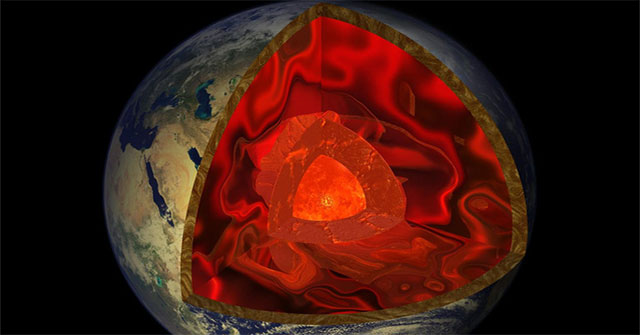
The new discovery of a looping effect between earthquakes and the movement of pieces of the Earth's crust raises concerns about unpredictable catastrophes and presents a…
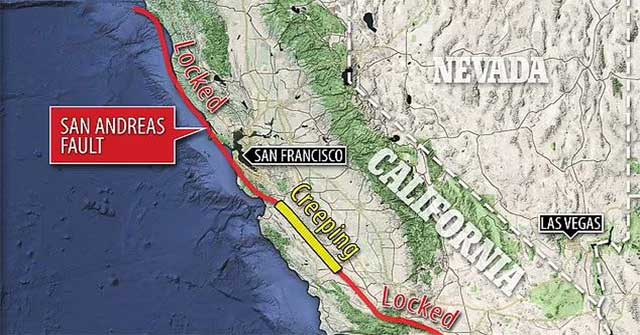
New US research shows that the San Andreas Fault - created by two pieces of Earth's crust colliding - poses a far greater threat than we know about it.
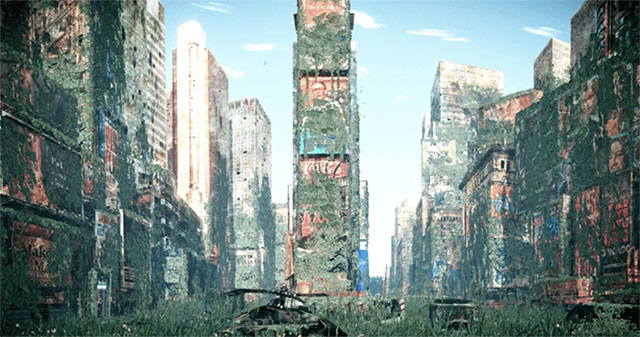
Plastic, metal or glass... what will last for billions of years?
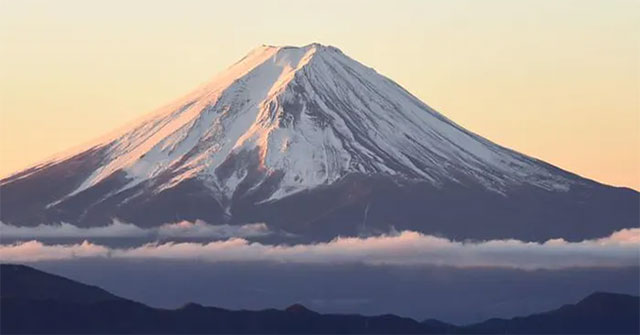
Experts have warned that 'Mt Fuji has entered the period of waiting for its first eruption in 300 years'. Therefore, many ideas have been proposed to solve the problem..…

The flood caused by melting ice during the last Ice Age changed the Earth's surface, leaving many traces that can still be seen today in North America.
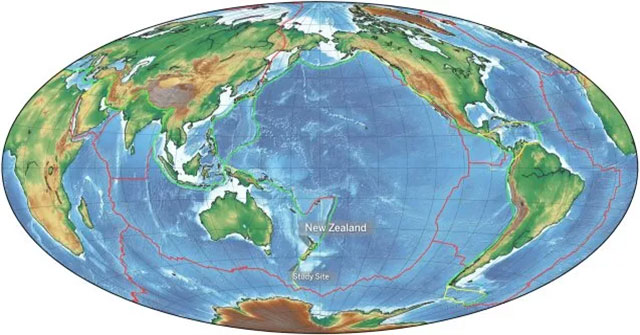
A young subduction zone off the coast of New Zealand has helped scientists explain the mystery of how one tectonic plate can break through the Earth's hard rock crust an…
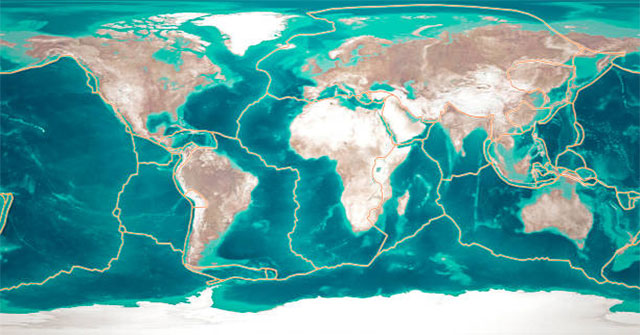
The Earth's crust is composed of many pieces, constantly moving, cracking, sliding over each other... but the impact from the deep currents in the molten core does not s…
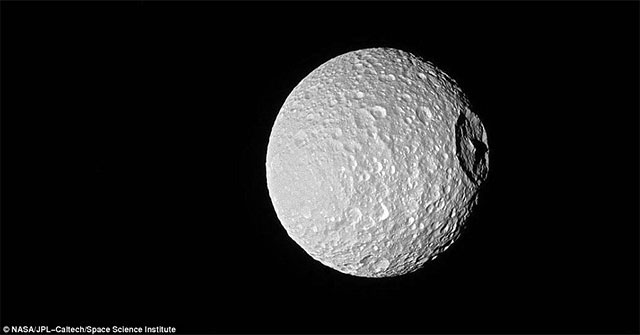
The new understanding has greatly expanded the definition of a habitable world - scientists conclude about Mimas, Saturn's seemingly deadly moon.

4.5 billion years ago, the Earth was covered with molten rock (magma) deep in the ocean, creating extreme temperatures common on its surface.