Discover science
Why do people like to touch when buying goods?
If those who like to touch objects are not touching their goods, they will feel uncomfortable and not confident when considering the product.
Browse ScienceInfo articles and explainers related to Cup.
317 published items.
If those who like to touch objects are not touching their goods, they will feel uncomfortable and not confident when considering the product.
Older people often look at the cup half full, rather than half. This is because they have accumulated a lot of experience in life and also derived from the biological ch…
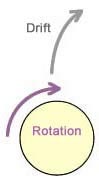
In the opening match of the World Cup, German midfielder Torsten Frings scored an impressive goal from a distance of 36 meters. At first the ball flew straight and sudde…

Long throwing balls can be a powerful weapon in football. As the World Cup is taking place, Professor Nick Linthorne of the University of Brunei, UK, explains the physic…
Can this problem make us think? Very good. We put a cup or spoon of water into our lips and 'slurp' the liquid in our mouth. It is the h & a
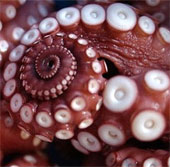
Scientists say the octopus's brain cannot fully control eight tentacles at the same time and their complex movements.

A recent study has found a solution to the possibility of a whale fish being able to

In just 30 minutes, a large lion fish can cup up to 20 small fish, and in just 5 weeks, this species kills 79% of the fry population.
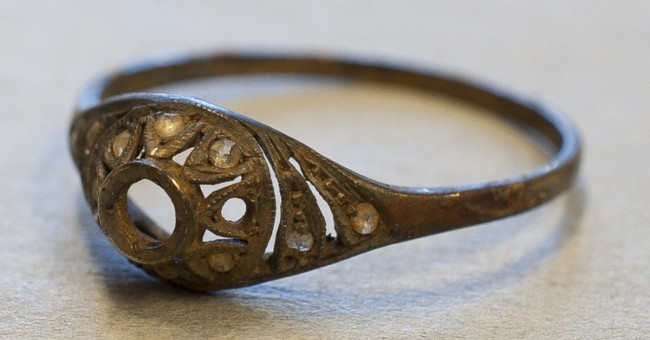
Gold rings and necklaces were carefully wrapped with canvas before hiding under the false bottom of a cup in the largest concentration camp in Nazi Germany.
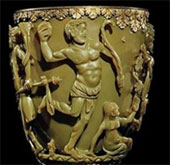
The 1,600-year-old cup from ancient Rome is turquoise when light shines from the front and turns red when light shines from behind.
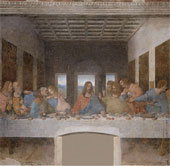
Stewed beans, lamb, olives, bitter herbs, fish sauces, unleavened bread, dates and aromatic liquors. It seems to be the dishes of the Last Supper.
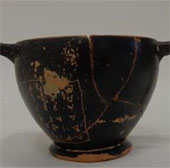
Greek archaeologists believe that they have found the drinking cup of the ancient Greek politician and politician Pericle in the northern suburbs of Athens.
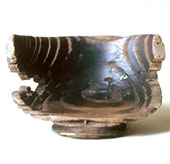
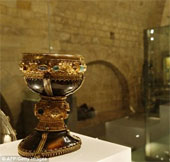
As soon as the information of the 1000-year-old Grail is found in gold encrusted with precious stones, people in this area have come to admire.
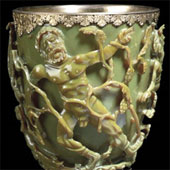
Scientists were surprised when they discovered that a glass made by the Romans 1,600 years ago used techniques similar to modern nanotechnology.