Space science
Chinese company opens space tourism ticket sales in 2027
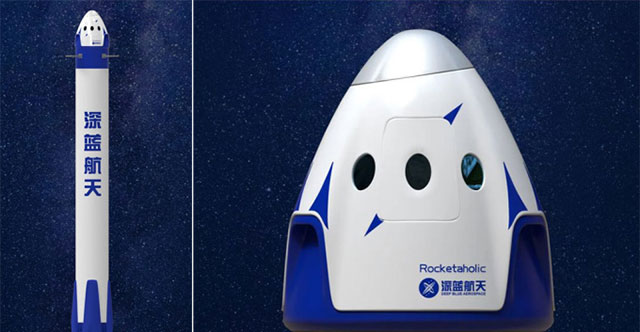
Deep Blue Aerospace announced on October 23 that it will take passengers to suborbital space in 2027 with tickets costing 1.5 million yuan ($210,000).
Browse ScienceInfo articles and explainers related to Deep.
1,016 published items.
Deep Blue Aerospace announced on October 23 that it will take passengers to suborbital space in 2027 with tickets costing 1.5 million yuan ($210,000).
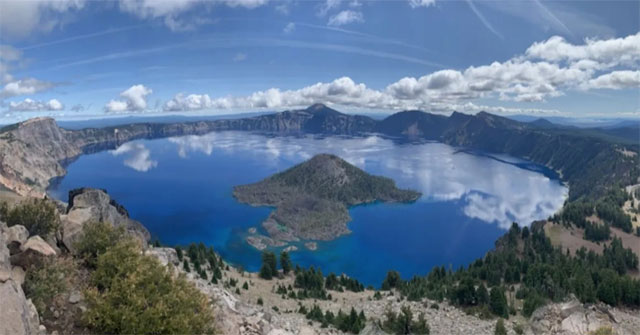
Crater Lake in Oregon, formed from a volcanic crater, is 592 m deep and contains crystal clear water, making it one of the 10 most impressive lakes on Earth.
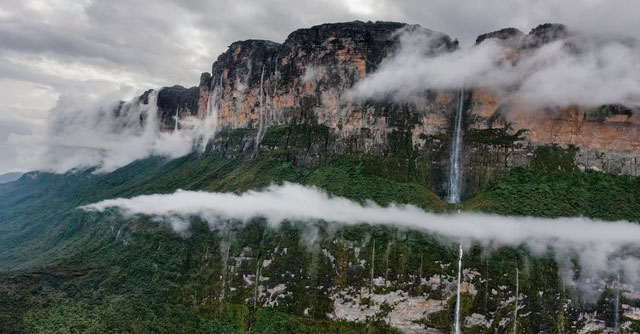
If you come across a deep mountain without insects or birds, turn back immediately. Don't go alone.
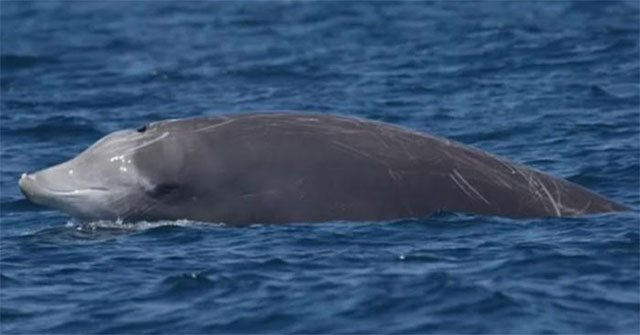
A dramatic moment emerged when a fin emerged from the sea, causing panic among holidaymakers on a beach in Spain.
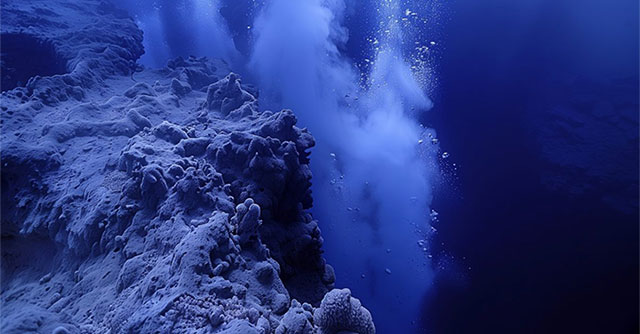
Strange structures surrounding deep-ocean hydrothermal vents may help us explain the origin of life.
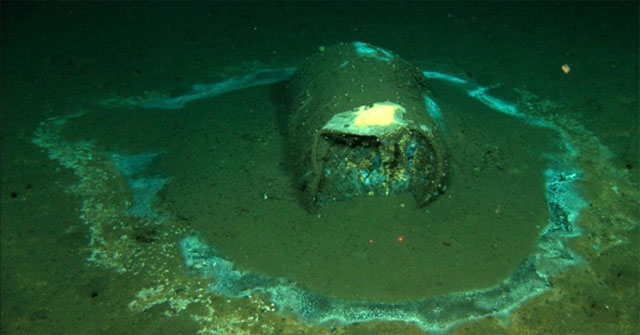
Scientists found 27,000 barrels suspected of containing DTT chemicals on the seabed 19.3 km deep off the coast of Southern California.

Scientists have recently discovered terrifying, ghostly creatures living in the deep sea in Australia, where environmental conditions are harsh.
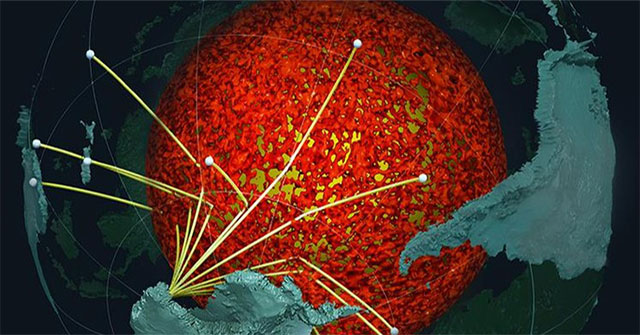
American scientists were shocked to discover an unknown, strange, ancient structure surrounding the Earth's iron core.
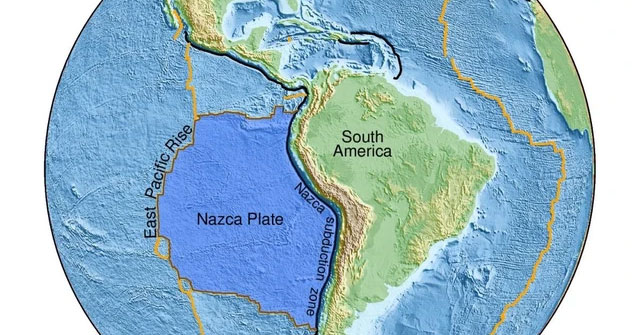
Unusual seismic data in the Pacific Ocean has revealed a mysterious giant structure that burrowed into the Earth since the time of the dinosaurs.
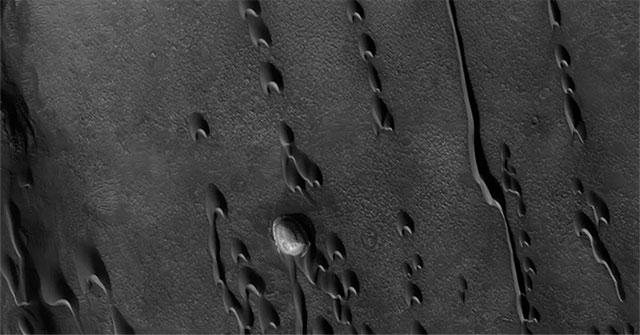
Mars has towering volcanoes alongside deep valleys, many spectacular locations for future exploration.
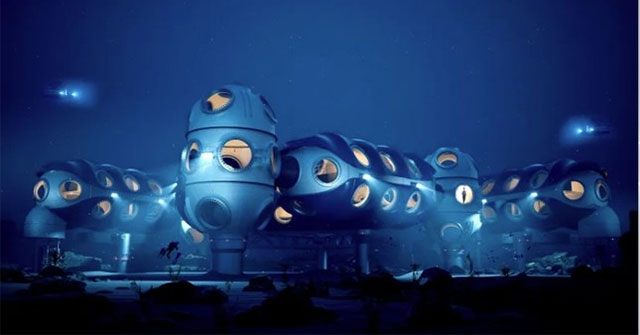
UK-based DEEP is developing the Sentinel system, which it says is a modular, reconfigurable underwater habitat that would allow humans to live at depths of 200m for 28 d…
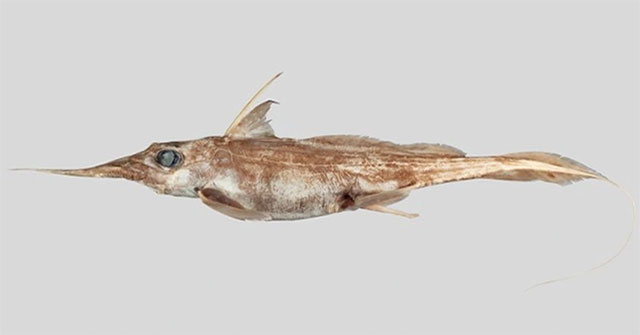
The ghost shark's habitat is deep under the sea, making it difficult to study and monitor them.
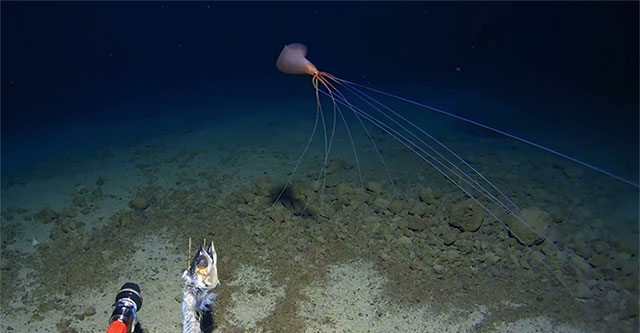
A giant spinner squid, also known as the Magnapinna squid and believed to be the deepest-living squid in the ocean.
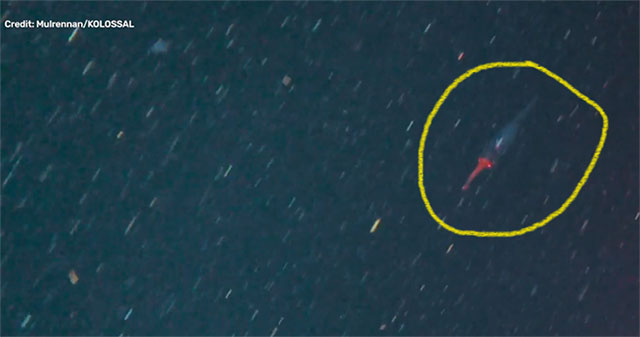
Researchers encountered a small squid that was likely a juvenile giant squid in Antarctic waters.
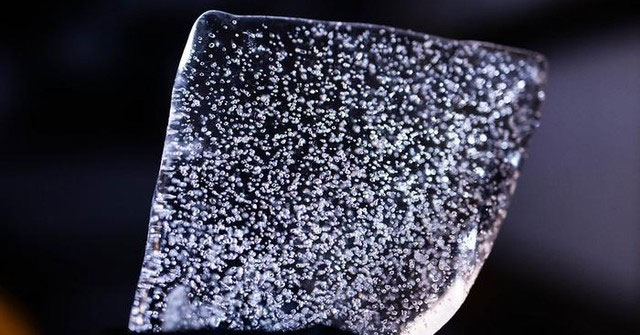
Scientists from Oregon State University have determined that the current rate of natural CO2 increase on Earth is the fastest in the past 50,000 years.