New technology
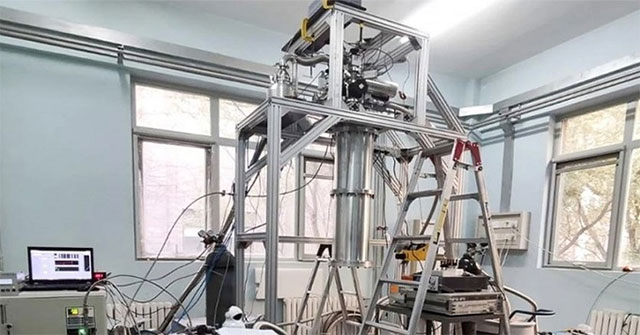
Chinese scientists successfully created a refrigerator with a temperature close to absolute zero
Chinese scientists developed a refrigerator prototype with a temperature only 0.01 degrees Celsius higher than absolute zero.
Browse ScienceInfo articles and explainers related to Degree.
1,249 published items.
Chinese scientists developed a refrigerator prototype with a temperature only 0.01 degrees Celsius higher than absolute zero.

On the evening and night of April 22, the North had scattered showers and thunderstorms. During thunderstorms, there is a possibility of tornadoes, lightning, and hail.…

Climate experts predict that extreme heat will return and last longer in Southeast Asia.
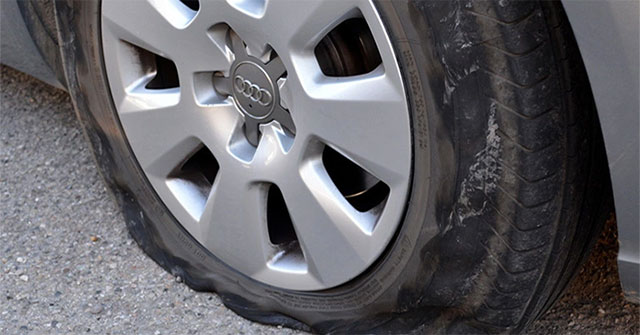
In many countries, car tires can withstand temperatures from minus degrees to over 100 degrees Celsius, but the safety threshold is no more than 90 degrees Celsius.

In the next 3 days, the highest temperature in Hanoi and the Northern region will be about 37 degrees, in some places it will reach 39 degrees Celsius even though it is…
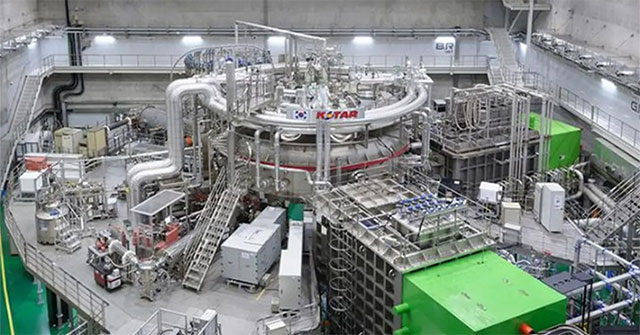
Using a new tungsten diverter, the KSTAR fusion reactor successfully maintained a temperature of 100 million degrees Celsius for 48 seconds.
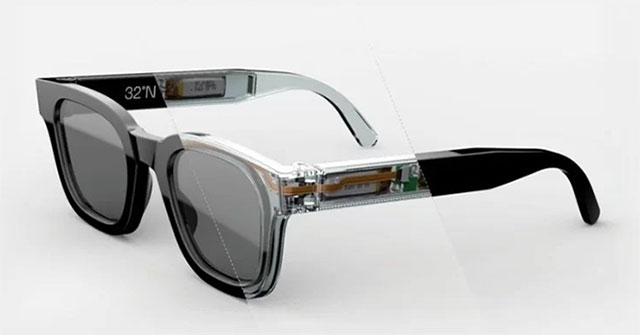
Deep Optics recently created 32 Degrees North - innovative adaptive glasses that work like sunglasses but can also turn into reading glasses.

Although they sometimes appear close together and relatively straight when viewed from Earth, the planets are actually very far apart in space.

It is forecasted that from now until March 18, the Northern provinces will have light rain, drizzle and scattered fog at night and in the morning, with less rain in the…

Many areas in Korea are suffering from an Arctic cold wave, causing temperatures in some places to drop to -22 degrees Celsius.

Photographs of the Northern Lights in locations that have never been recorded before are included in the award

According to scientific experiments, the story that frogs do not recognize danger and do not run away when slowly heated is incorrect.

Chinese scientists developed a new electrolyte that allows lithium-ion batteries to charge and function well at extremely low temperatures.
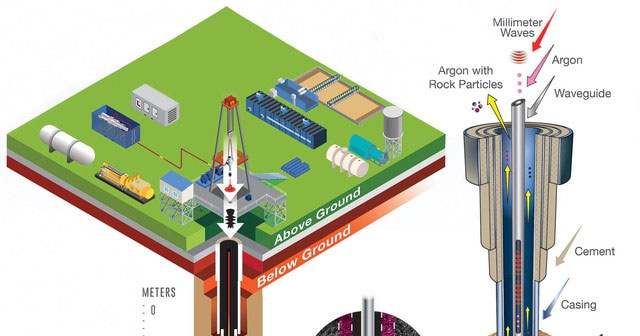
Instead of using conventional mechanical drills with metal tips, the US will use technology that has never appeared in the world.
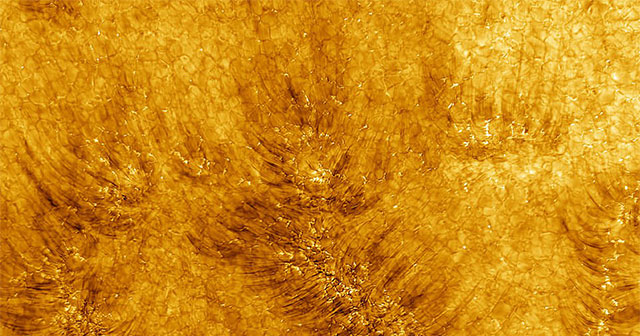
Stunning images recently taken by the world's most powerful solar telescope have unprecedented detail.