Animal world
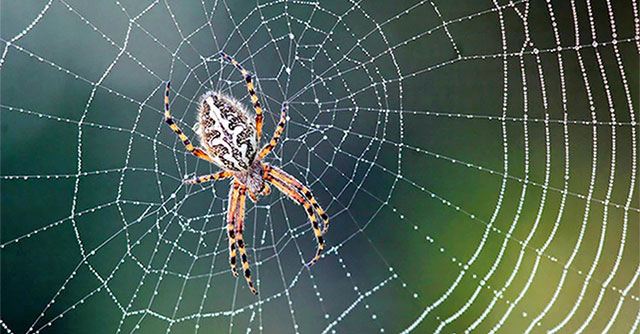
Without 'ears', how do spiders 'listen' and hunt for prey?
Spider webs have a big function to catch prey, but they can also be used as a device, according to a new study.
Browse ScienceInfo articles and explainers related to Different.
1,383 published items.
Spider webs have a big function to catch prey, but they can also be used as a device, according to a new study.

Two new studies show that the impact of social development can cause people to radically change from external appearance to internal functions of the body.

Each blood type has its own body characteristics, so it is suitable for different food groups. Find out what your blood type matches with food!

Japanese scientists discovered that squid can change color in a split second to hide in its surroundings, in order to evade predators.

Vehicles are on the ground so we can brake it by borrowing the force of friction. However, to brake an airplane is a different story
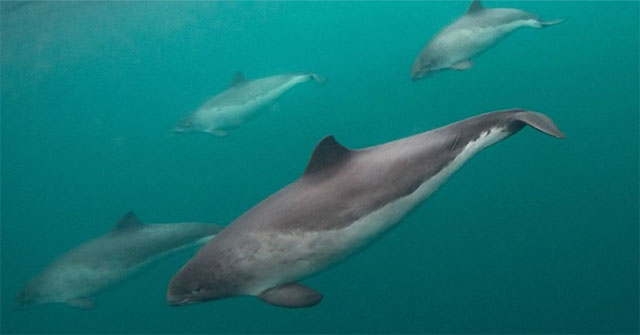
Researchers discovered a wild short-snouted dolphin capable of conversing with harbor dolphins of different species, providing an example of interspecies communication.
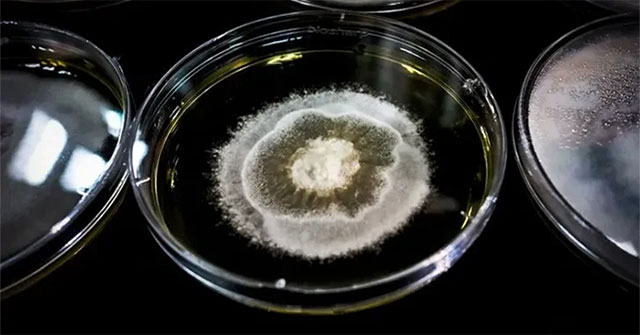
The new fungus discovered in southwestern China is a very
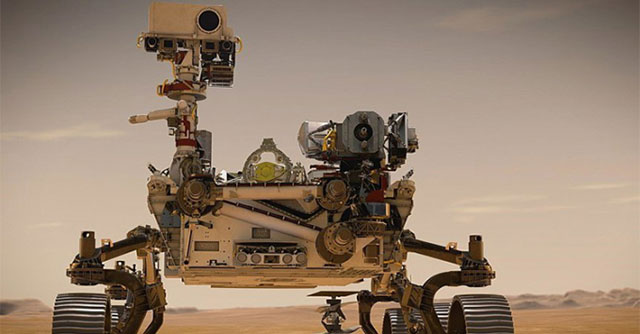
Based on data collected by NASA robots, scientists estimate that sound travels on Mars at a speed of about 864km/h.
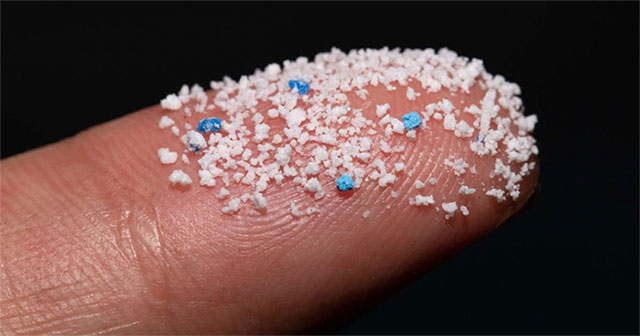
The new discovery shows that these microplastics can move around the body and reside in different organs.
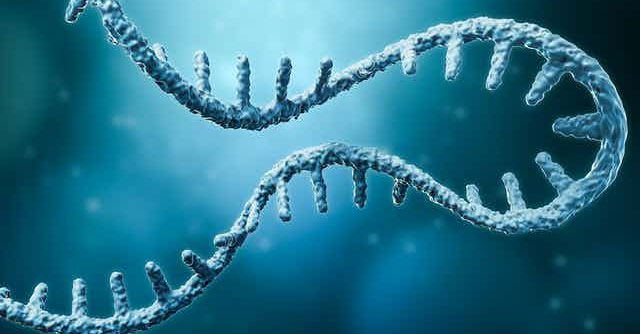
Australian researchers have developed a new gene (DNA) test that can detect 50 different genetic diseases at once.
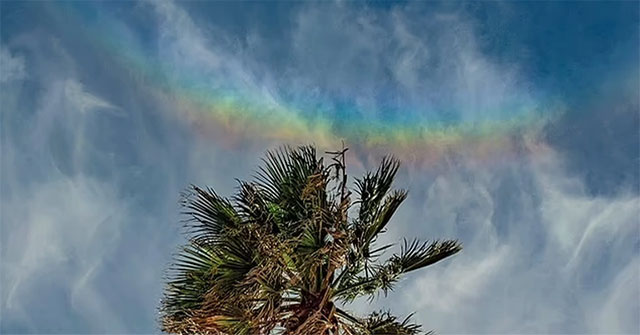
The reverse rainbow was discovered by Italian astronomer and elementary school teacher Marcella Giulia Pace as the sun was about to set in the sky on February 24.
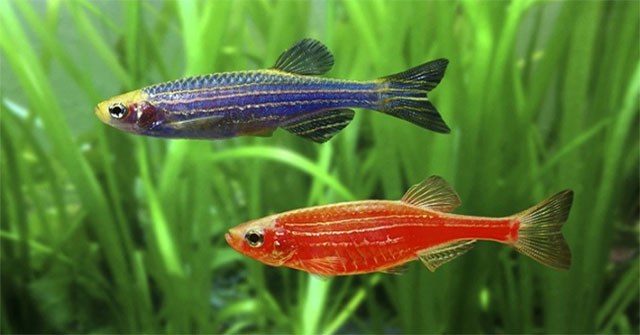
Striped fish genetically engineered to glow in different colors escape livestock farms, possibly disrupting biodiversity in the Atlantic forest.

Art is enjoyed and received in different ways by everyone. For billionaires, owning a piece of art can mean proving their status.
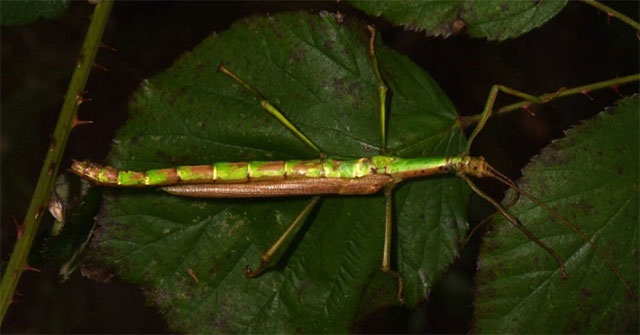
The stick beetle molts to reveal a hermaphroditic body with two different colored halves, surprising owners and biologists.
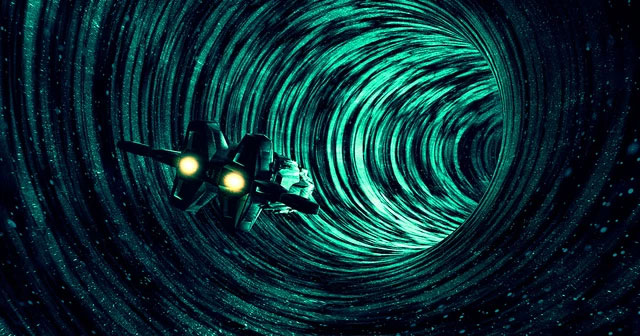
Previous theories have suggested that immediately after forming, the wormhole will collapse immediately because of its lack of stability.