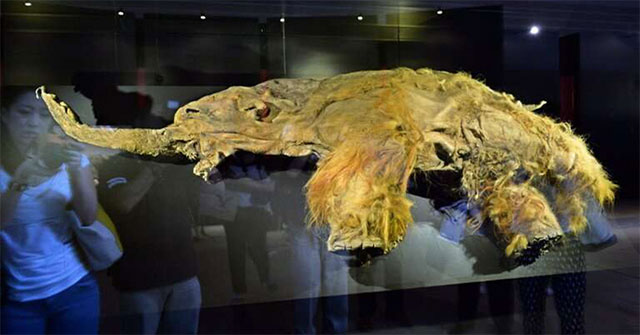
ArcheologyNew DNA evidence reveals the famous woolly mammoth existed in Canada as long as 5,000 years ago, after being thought to be extinct worldwide for several millennia.
December 14, 2021
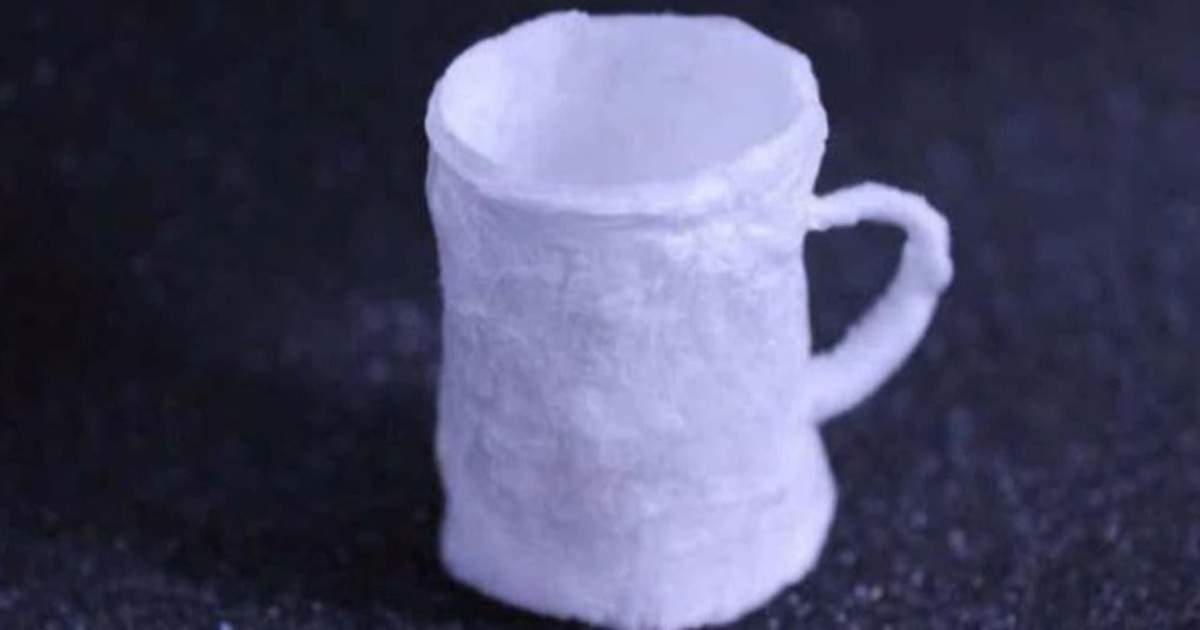
Scientific applicationScientists have created a plastic cup from salmon sperm and vegetable oil, environmentally friendly, biodegradable.
December 3, 2021
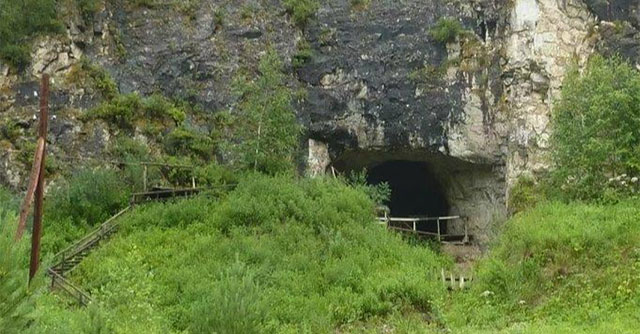
ArcheologyNearly 3,800 remains that actually belong to three Denisovans - a large but mysterious ghost human, lurking in the blood of many Asians - have been found in a cave in Si…
December 1, 2021
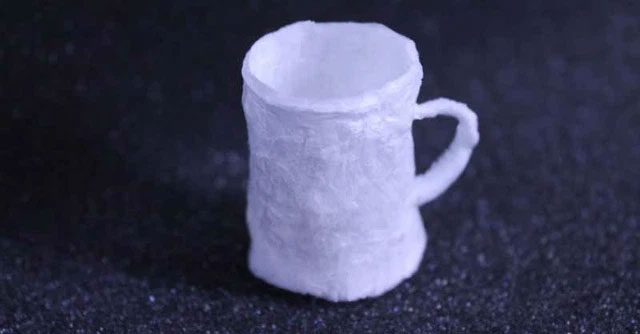
Scientific applicationPlastic plays an important role in modern life as well as the production lines of essential things for life, but recycling plastic is expensive, and plastic itself can c…
December 1, 2021
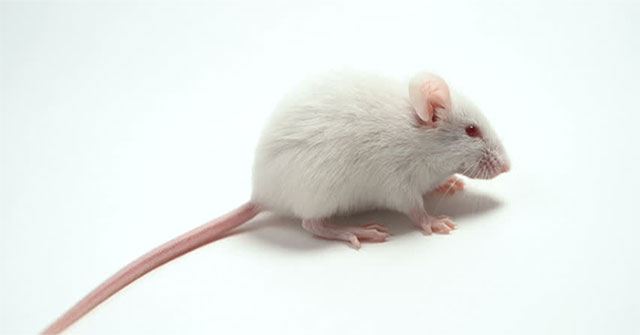
Animal worldNew research has discovered the process of domesticating guinea pigs and the way for them to be present all over the world.
June 29, 2020

ArcheologyThe Dead Sea book is made up of tens of thousands of manuscript pieces made primarily of parchment or animal skin.
June 14, 2020
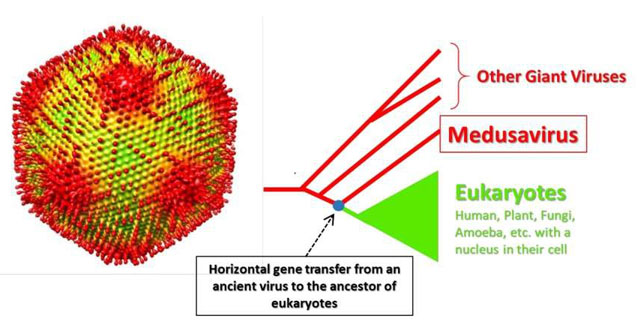
BiologyRecently in a hot spring in Japan, scientists have discovered a new giant family of viruses with the ability to come out of Greek mythology.
May 29, 2020
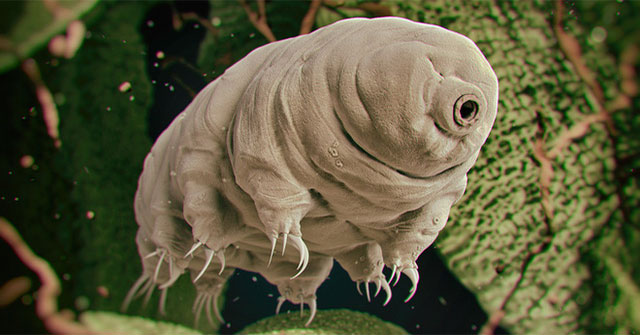
Conquer MarsAccording to experts, the cells were crossed with the DNA of the organism
May 28, 2020
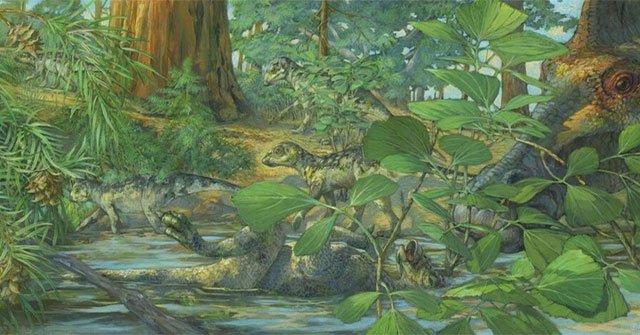
ArcheologyResearchers have found DNA traces inside a fossilized dinosaur skull.
March 11, 2020

Space scienceScientists will need a lot of time to understand this change.
March 11, 2020
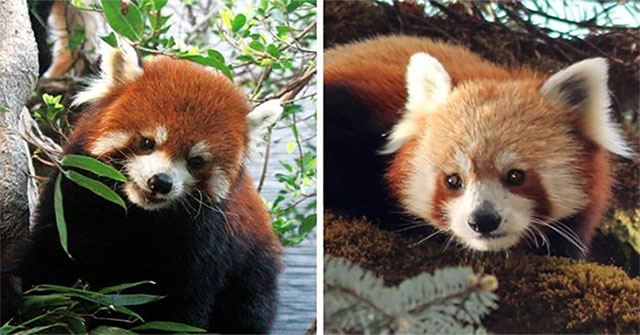
Animal worldThe most comprehensive genetic study published on February 26 in the journal Science Advances shows that red pandas exist in two distinct species.
March 1, 2020
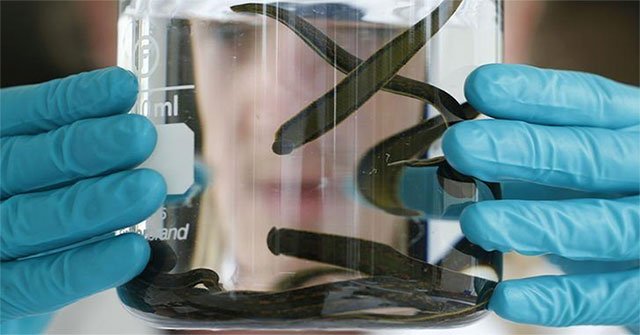
LifeA new way of monitoring wildlife can be an effective tool to prevent future diseases - starting with the operation of leeches to draw blood.
February 21, 2020
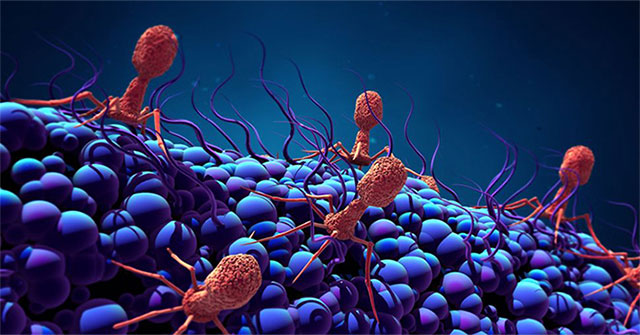
BiologyThe virus was found to be about 15 times the size of normal, contains ribosomes and is capable of performing DNA instructions to build proteins.
February 19, 2020
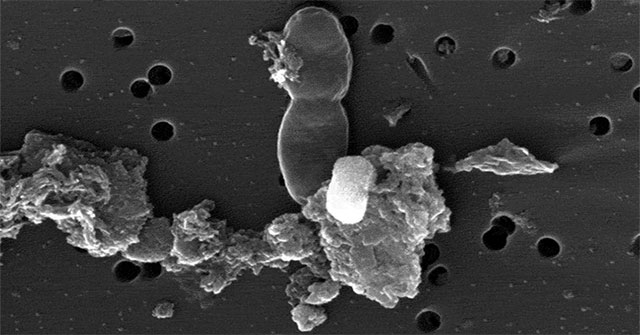
Discover scienceThe scientists discovered microbiological-like structures in water samples taken from a depth of 3.2 km below a gold mine in the Free State province.
December 22, 2019
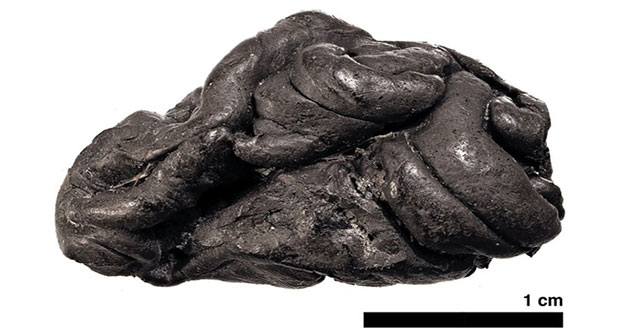
ArcheologyThe traces of DNA remain on the birch tar that she chewed
December 22, 2019