Animal world
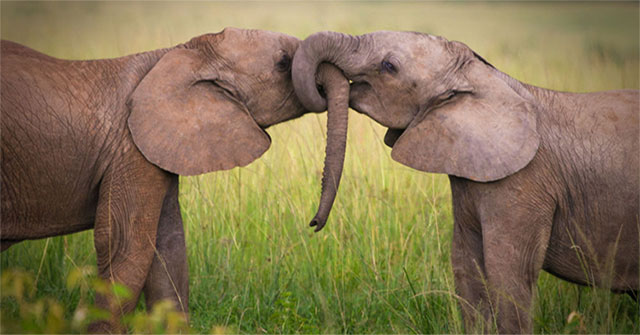
Scientists figured out how to calculate the lifespan of animals
Spanish geneticists have demonstrated that the length of lelomere (the repeat sequence of DNA at chromosome ends) reflects the average lifespan of not only humans, but a…
Browse ScienceInfo articles and explainers related to Dna.
724 published items.
Spanish geneticists have demonstrated that the length of lelomere (the repeat sequence of DNA at chromosome ends) reflects the average lifespan of not only humans, but a…
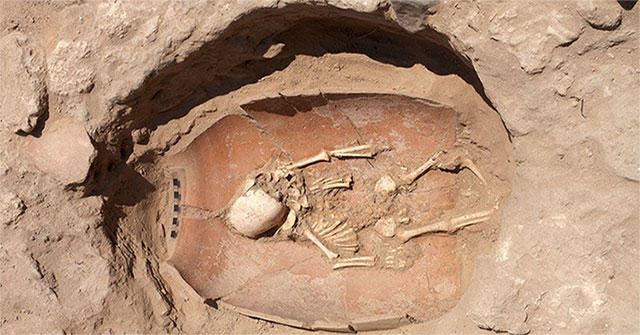
This mysterious nation may have fled from the collapsing societies of southern Europe to Israel
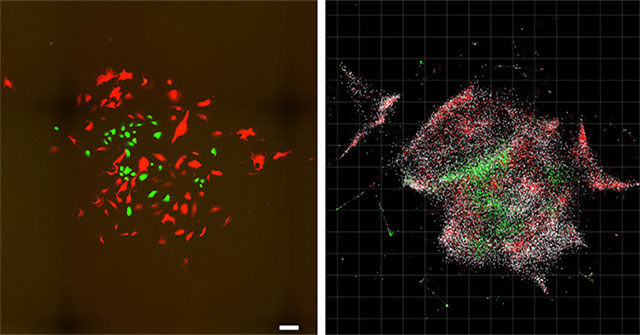
According to a new study, the method of opening the door to this unprecedented look inside living cells - called DNA microscopes - has been completed over a period of si…

DNA, which is about the same age as life on Earth, is the storage technology of the future.

The phenomenon of cancer resistance is one of the causes of cancer treatment difficult, even causing cancer recurrence in some people.

Humans have been living in Siberia for about 40,000 years, and a new genetic analysis has been made through the discovery of ancient baby teeth that will bring about the…
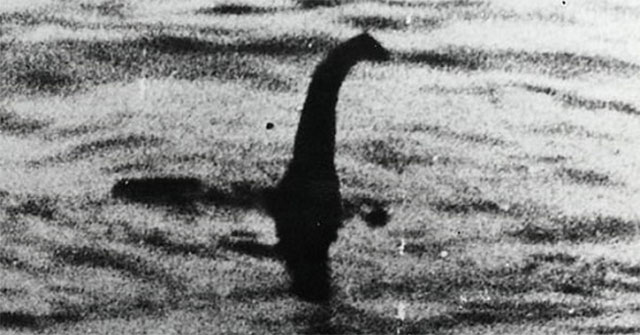
The results of DNA analysis in the country can help identify all creatures living in Lake Scottland, including the Loch Ness monster if it exists.

A health official in the UK has said that genetic tests (DNA) in the country show that up to 10% of the population may not know who his father is.

If the 21st century is considered an era of biotechnology, gene technology is a new 'superstar'.
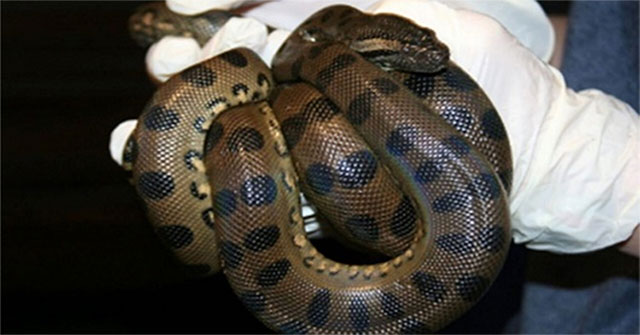
The 3 meter long anaconda python spawns itself without male fertilization, an extremely rare case in this species.

Scientists have succeeded in producing E. coli with artificial original DNA, not from nature.

A Native American man in Montana has just surprised the scientific community when he was identified as the oldest person in the Americas.

Reuters reported that a museum in Italy is planning to test DNA a bunch of hair supposedly by the master master Leonardo da Vinci.
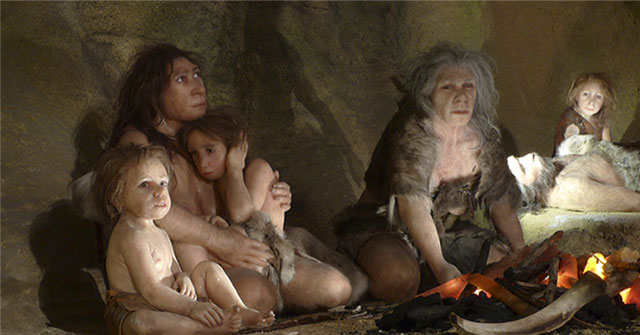
Breakthrough research recently published in Nature Communications shows the existence of an extinct mysterious species of ape.
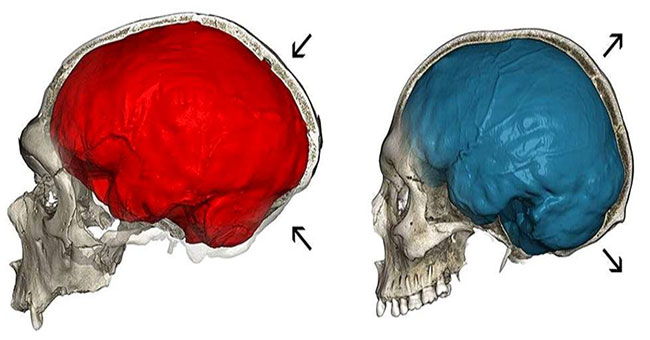
Those with two Neanderthal genes, their heads are slightly flatter and longer - like Neanderthal heads.