Space science
Take a picture of the first gleam in the universe
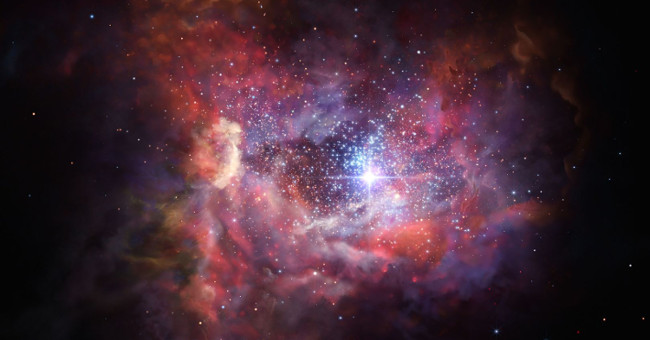
Astronomers have discovered a cloud of sparkling cosmic dust at the age of 4% of the current age of the universe, making it one of the first rays of the universe ever re…
Browse ScienceInfo articles and explainers related to Dust.
692 published items.
Astronomers have discovered a cloud of sparkling cosmic dust at the age of 4% of the current age of the universe, making it one of the first rays of the universe ever re…
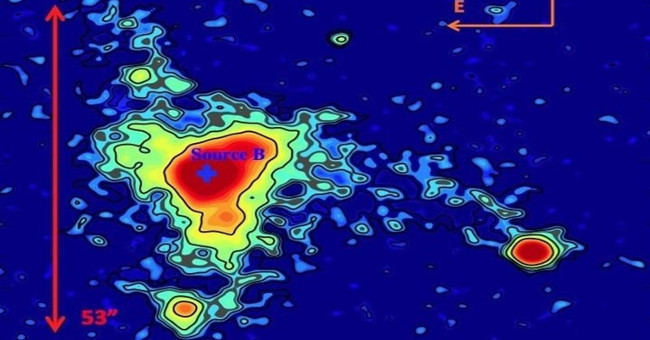
Astronomers have discovered a huge, very bright gas trail drifting freely in the distant universe, and they have not found the reason why it has become so bright.
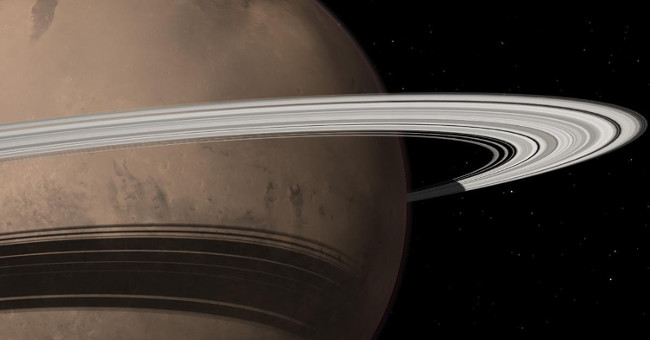
In the future, Mars may become a copy of Saturn with the surrounding dust belt, formed from the debris of Phobos and Deimos.
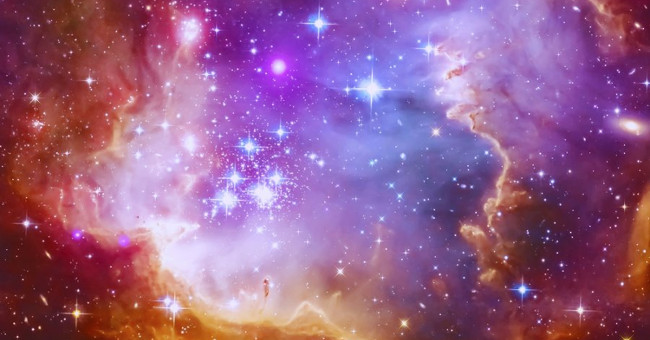
The nebula is a celestial body in the form of cloudy clouds consisting of stellar gas and cosmic dust. The proportion of matter in the nebula very low. If measured by th…
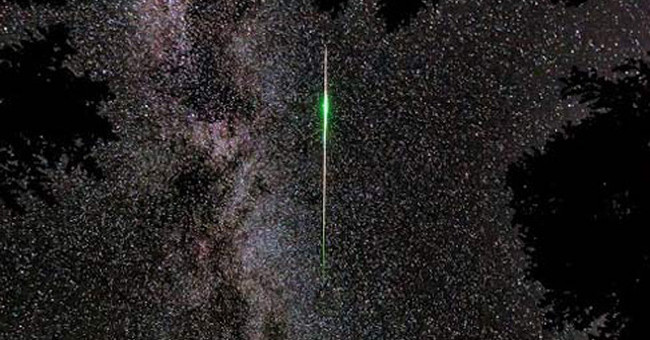
On the night of 13th and 14th of December, astronomers will have the opportunity to admire the meteor shower, one of the two biggest meteor showers of the year.

Scientists first screened 500 cosmic dust particles derived from the formation of the solar system 4.6 billion years ago in the mud mud stuck on the roofs in France, Ger…
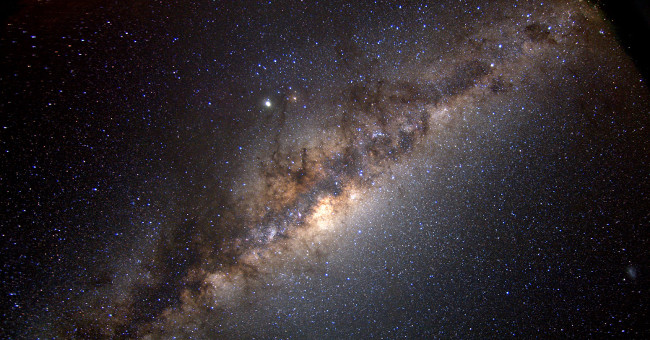
The name Milky Way is commonly used in Western astronomers 2,500 years ago.
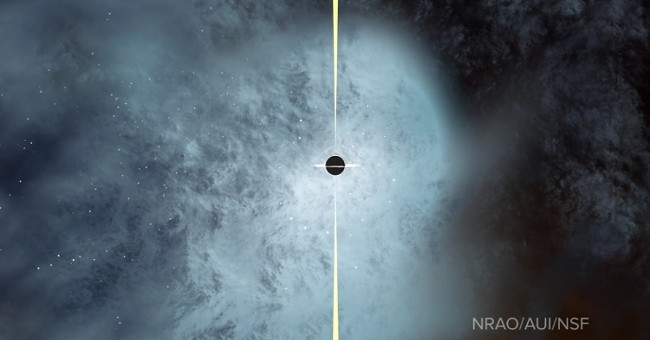
Astronomers discovered that a supermassive black hole escaped from the galaxy, leaving behind all the stars that once turned around it.
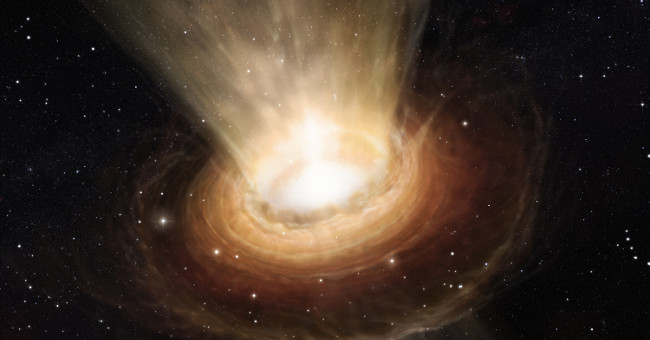
Astronomers from Ohio State University in Columbus have published data about the curtain on the supermassive black hole in the universe of a red star whose scientific na…
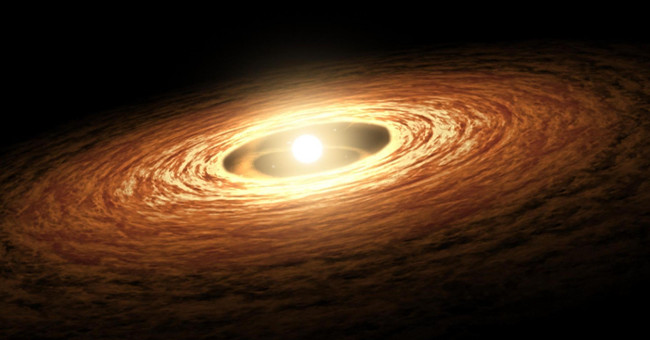
A new finding shows that the evolution and evolution of stars not only exist under a mandatory rule.
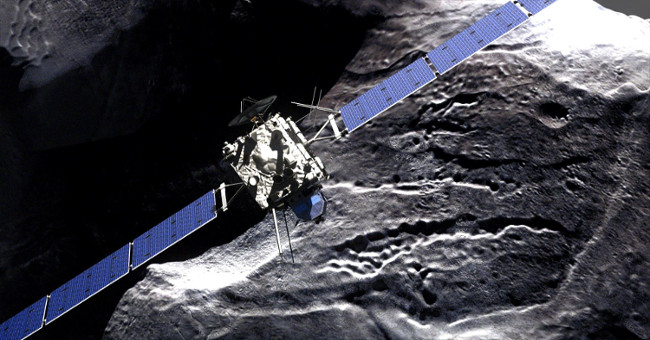
The European Space Agency's (ESA) Rosetta probe will end the mission for 12 years by plunging down
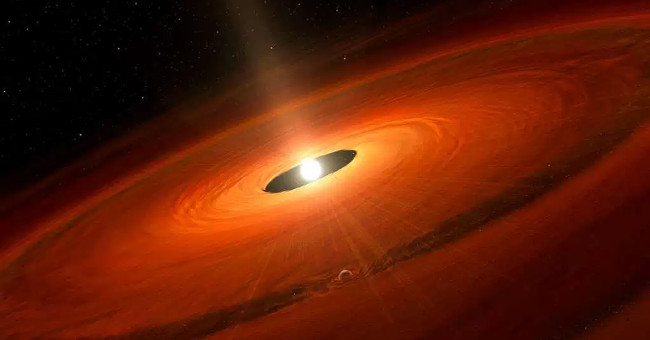
A giant ice planet can form in the dust cloud around the star TW Hydrae, located 176 light-years from Earth.
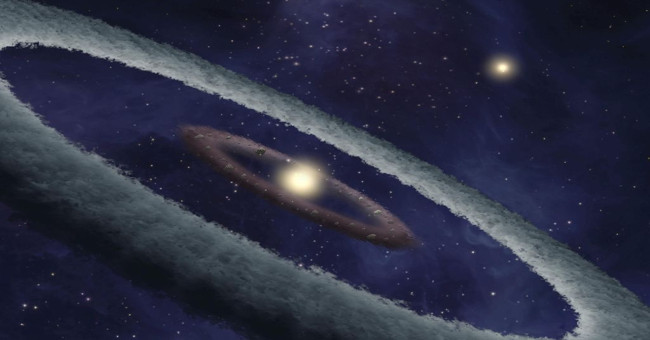
Scientists found that the brightness of the star EPIC 204278916 unexpectedly dropped by 65% for 25 consecutive days, proving it was blocked by something huge.
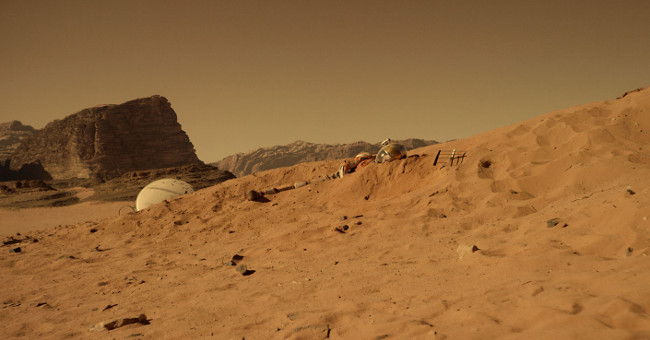
Experts suspect that Mars will smell a bit harsh. This smell will be similar to the smell of sweet pollen mixed with sulfur.
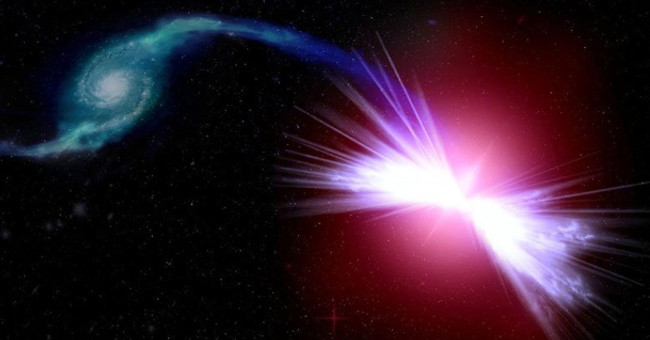
A group of scientists has identified the cause of many galaxies becoming