Space science
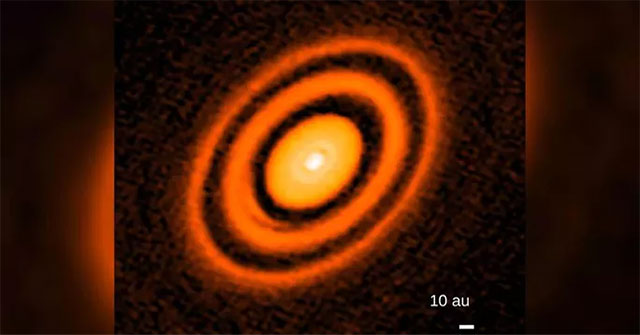
Humans are living on a super-Earth without a 'Ring Sun'?
Dense rings of dust around a Sun that look nothing like the Sun today have prevented our planet from evolving into a super-Earth.
Browse ScienceInfo articles and explainers related to Dust.
692 published items.
Dense rings of dust around a Sun that look nothing like the Sun today have prevented our planet from evolving into a super-Earth.
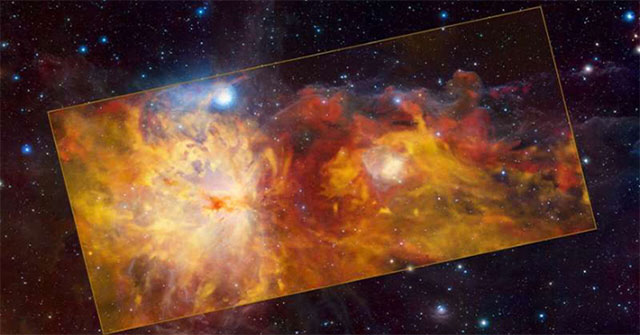
The European Southern Observatory (ESO) has released a stunning update of the nebula NGC 2024 in the constellation Orion.
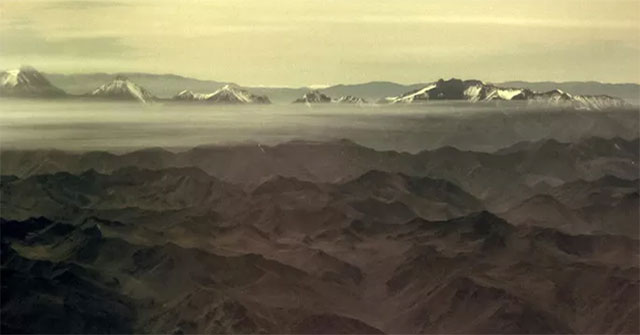
Desert dust - fine and capable of reaching high into the sky like ghosts - has the ability to destroy many pollutants, but also silently causes terrifying effects.
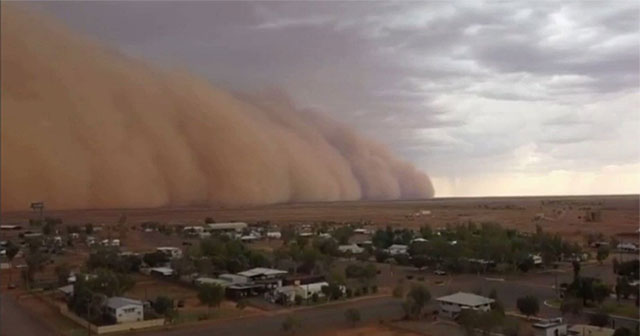
A terrible dust storm hits an Australian town and creates a scene like
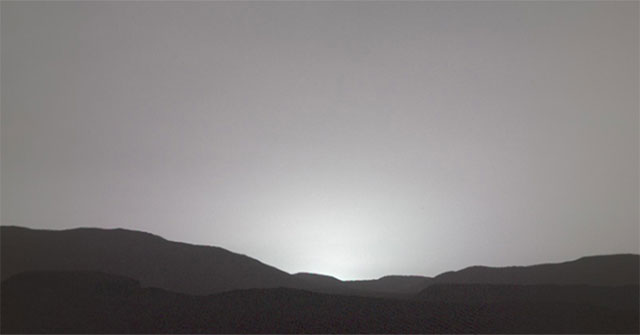
The Martian sunset in the new image of the Perseverance robot does not have the usual blue color because the atmosphere contains less dust.
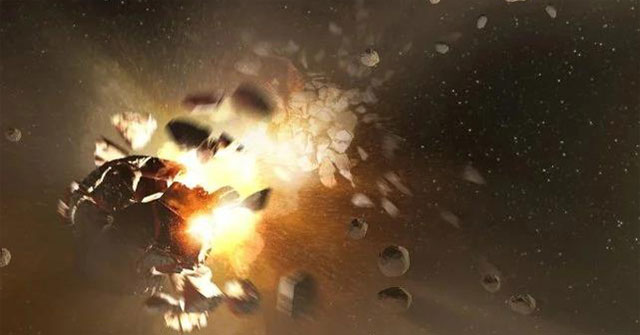
A new study from Denmark has deepened the hypothesis of a bioburden 467 million years ago and a link between the two asteroid collisions.
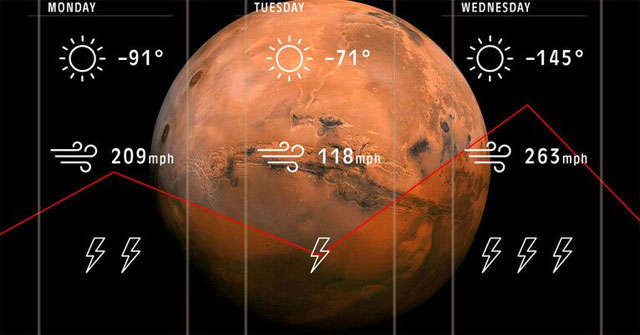
When scientists study missions to nearby planets, they need accurate weather forecasts. Otherwise, the trips could turn out to be 'disastrous'.
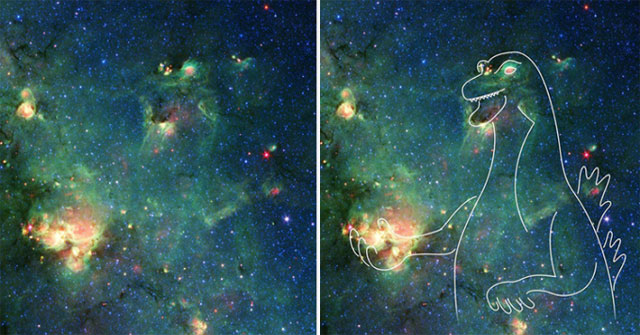
NASA's Spitzer Space Telescope sent back to Earth a stunning image of a dust cloud thousands of light-years away.
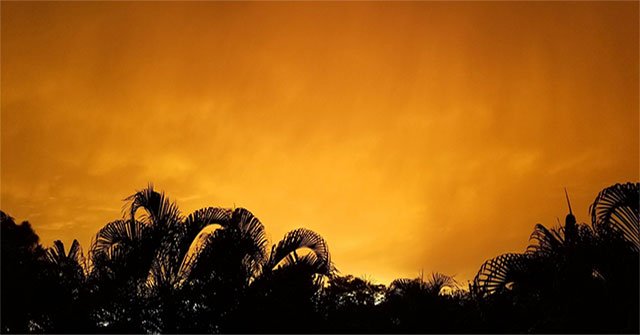
After more than 50 years, 'Godzilla' comes back and is becoming an obsession for people living along the southern coast of the United States.
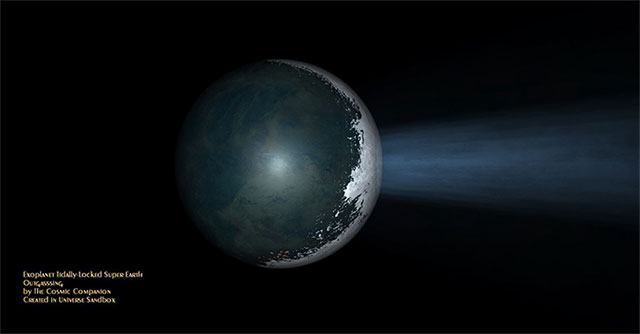
Dusty worlds like the desert planet Arrakis in the Dune novels are probably quite common in the universe. Some of them, which have large amounts of dust in the atmospher…

Chinese researchers have developed a new construction material from Moon dust and are 22 times stronger than concrete.
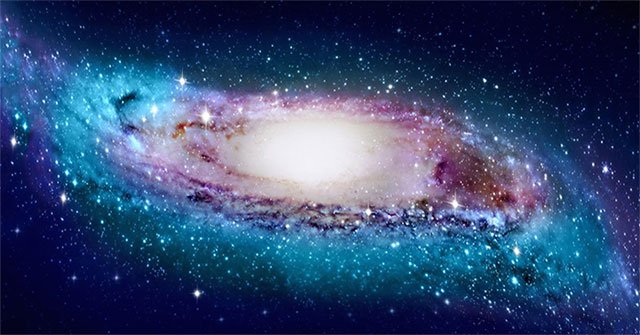
What are the secrets that we still don't know?
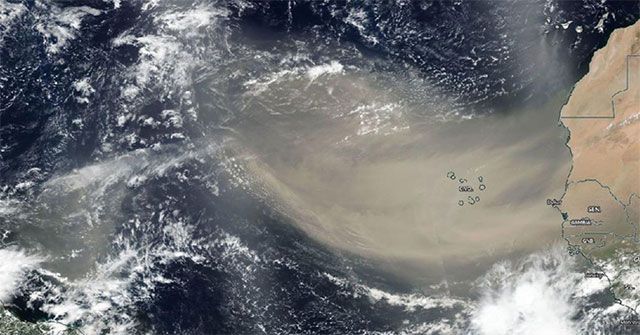
Large amounts of dust from the African desert are carried by the wind across the Atlantic Ocean, contributing to the creation of beaches and fertile soil.
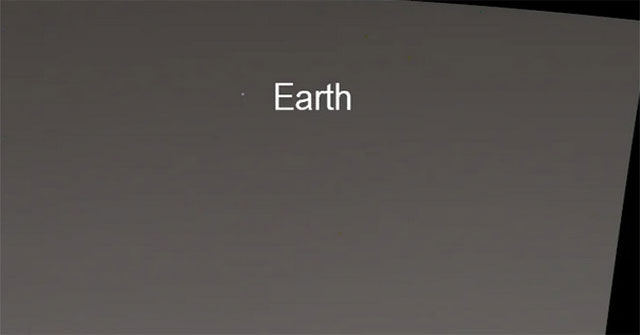
The dense dust in Mars' atmosphere makes the Earth and Venus look like tiny dots in a camera photo of the Curiosity robot.

Astronomers have announced the discovery of a brown dwarf star 332 light-years from Earth that could support planet formation.