Space science
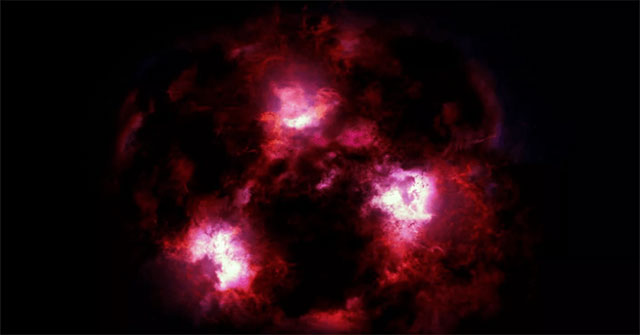
The giant galaxy is 12.5 billion light-years from Earth
The giant galaxy is hidden behind a cloud of dust and gas and has a rate of formation of 100 times more stars than the Milky Way.
Browse ScienceInfo articles and explainers related to Dust.
692 published items.
The giant galaxy is hidden behind a cloud of dust and gas and has a rate of formation of 100 times more stars than the Milky Way.

Aspirin can reduce the negative effects of air pollution, an attractive new study has just concluded.

Many people use a lemon or orange scented cleaner to clean the floor and turn on the lights to see the stains, but this combination creates super fine dust.
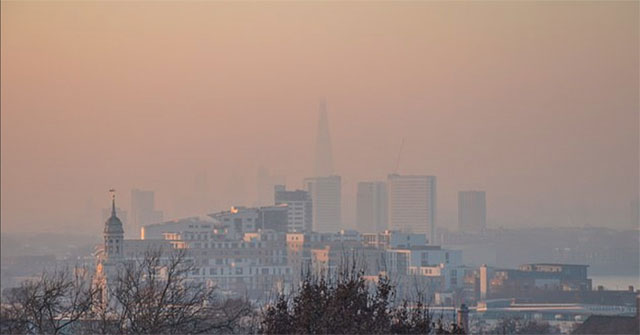
Researchers at the University of Warwick, UK, found that human memory is severely impaired when living in areas with fine dust (PM10) and high nitrogen dioxide (NO2).

Not only do they affect lung function, air pollution can also seriously affect the scalp and cause hair loss.

Experts explain that Hanoi has a higher air pollution index at night, mainly due to the heat and calm winds that make it difficult for the air to diffuse to rise.
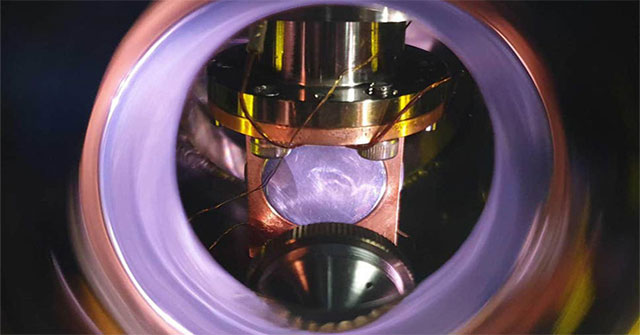
Japanese scientists have succeeded in creating life-building blocks from cosmic dust, from which to find the incredible alien origins of all species.
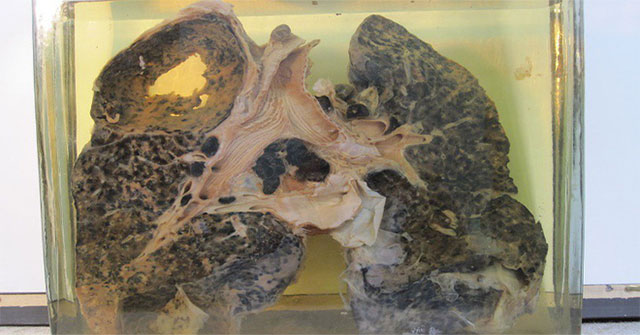
Dust pollution in the air is really more dangerous than what the general readers understand.
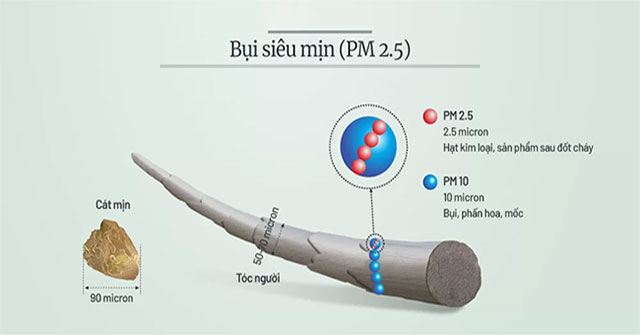
PM2.5 dust (super fine dust) can penetrate deep into the lungs, easily causing respiratory infections, heart and eye diseases ...

Living in the atmosphere affected by dust, prolonged pollution will greatly affect health.
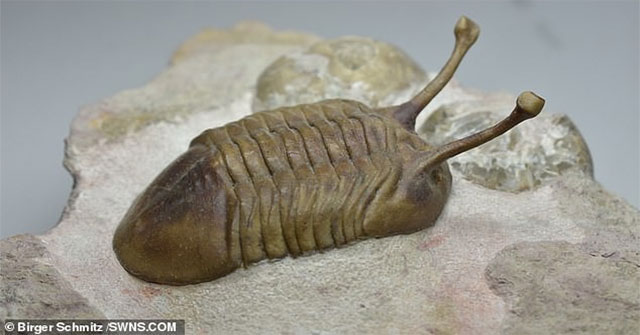
A multinational team has found evidence of an ice age of life caused by a giant asteroid 466 million years ago.
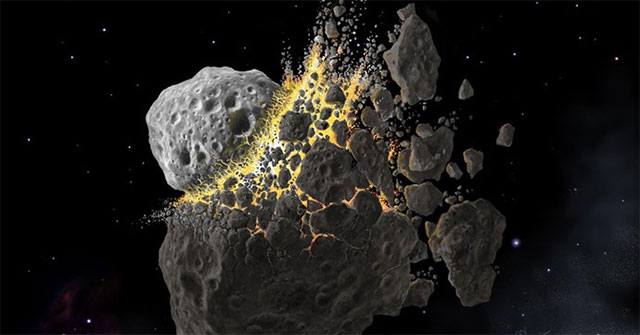
The results of an international scientific study show that the planet collision 470 million years ago created a layer of dust leading to the ice age and then led to the…
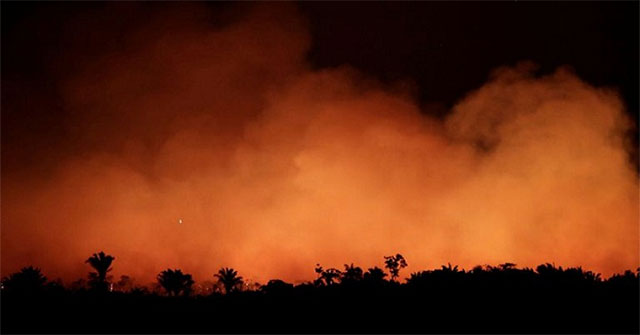
People exposed to dust and smoke from the Amazon forest fire are at risk of being destroyed in the respiratory system, leaving behind sequelae.
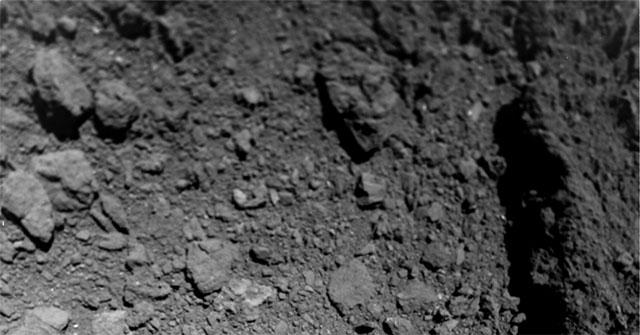
This asteroid has a diameter of 900m, so the asteroid's gravity is 66,500 times weaker than the Earth.
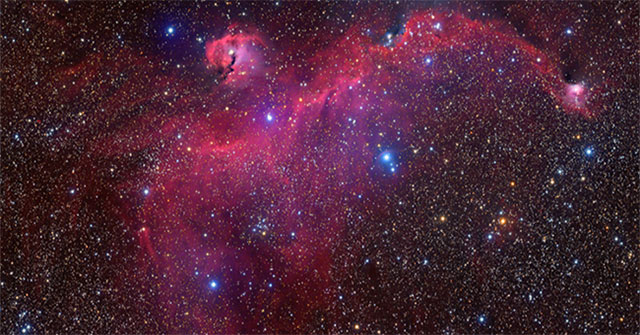
Constellation IC 2177 is where new stars are born. This area includes dust, hydrogen, helium and traces of some heavy elements.