Discover science
Why are national flags rarely purple?
Although each country's flag has different colors and shapes, you will hardly find any place that uses purple flags.
Browse ScienceInfo articles and explainers related to Dye.
47 published items.
Although each country's flag has different colors and shapes, you will hardly find any place that uses purple flags.
Large in size, the bearded vulture impresses with its ability to eat bones and its red feathers from bathing in iron-rich mud streams.
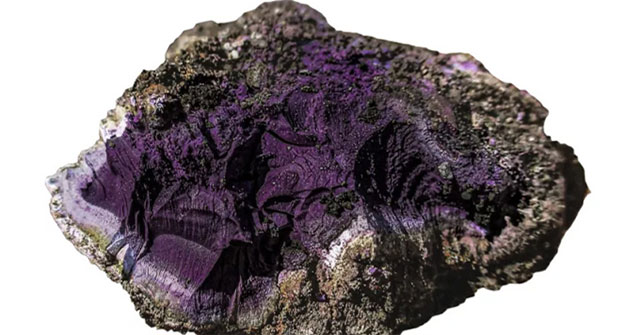
The Tyrian purple dye block from Roman Britain was produced from large quantities of sea snails, which may have been used for frescoes.
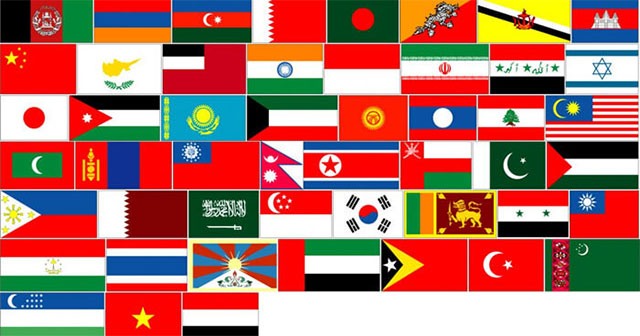
The most used color has a ratio of 30.3%, while the least used color only appears on only 2 flags.
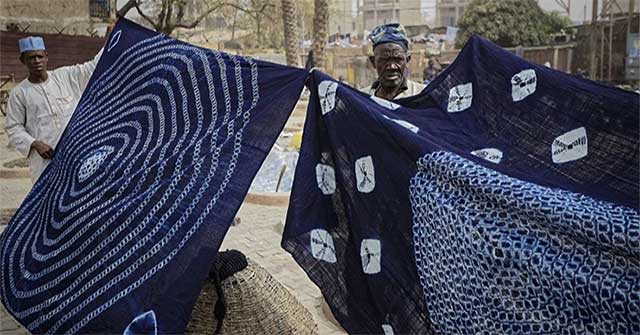
Tie-dye is dyeing by tying each part of the fabric so that the color does not bleed.
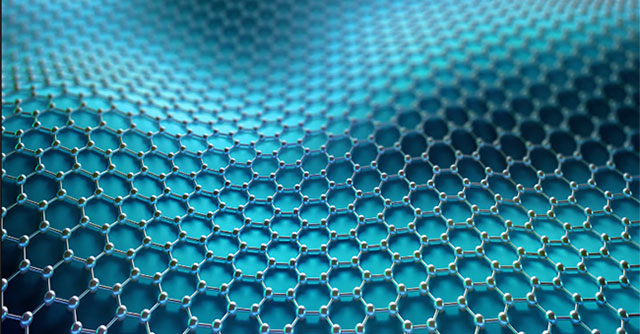
Engineers at the University of Vienna have developed a new composite material that creates an effective filter for removing organic pollutants from water.
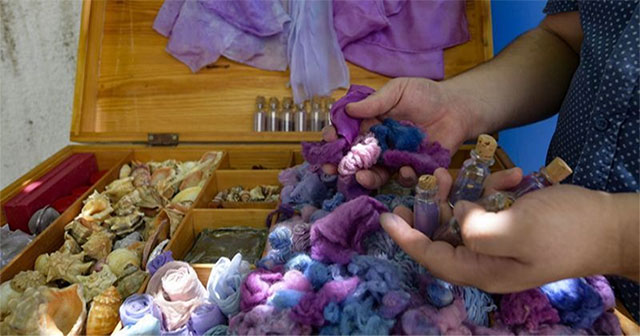
A Tunisian history enthusiast has tried to recreate making dye from sea snails that was once only used by members of the ancient royal family, the elite.

Hair straightening increases the risk of breast cancer by 30% for all skin types, hair dyeing increases the risk for black women by 60%.

In ancient times, black teeth were considered a symbol of female beauty, popular among women of all social strata for centuries. In Japan, the practice of dyeing black t…
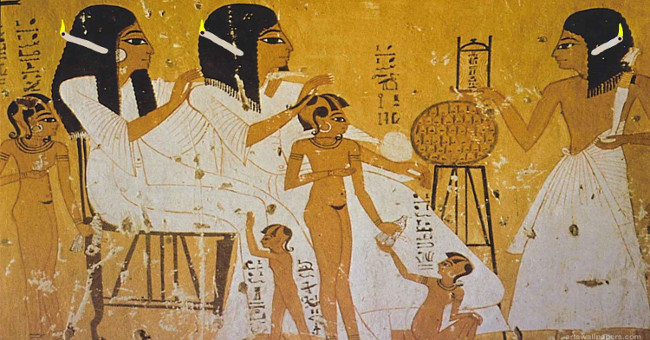
Let's review the facts that not everyone knows about ancient people, make sure you have to say it
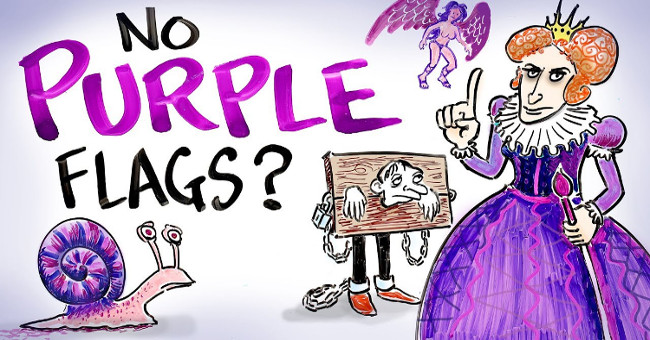
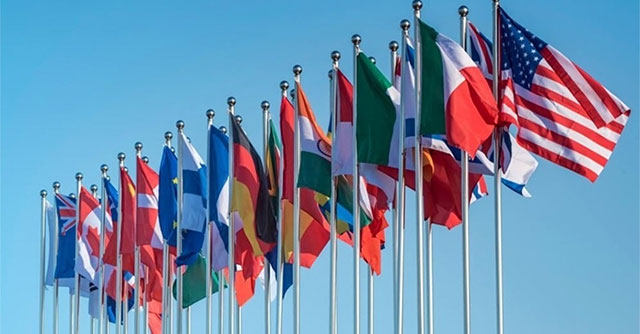
Today, there are 196 countries in the world with 196 distinct national flags. But there is one thing quite special about them - that is almost no flag is purple.

Blue ball pen ink includes dye, fatty acid and alcohol to ensure uniform ink, quick drying and paper sticking.
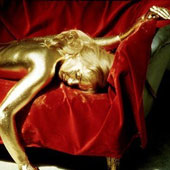
Recently, for the first time, scientists have found a way to use one of the most valuable metals to dye human hair, promising to give precious metal lovers a pure gold h…
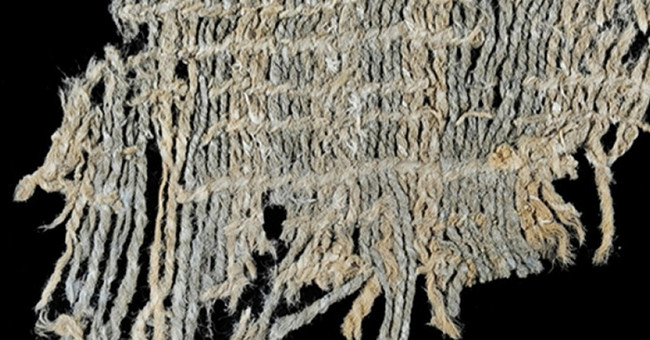
George Washington University has discovered cloths using the 6,200-year-old indigo dye when excavating the ancient ritual of Huaca Prieta in northern Peru in 2007.