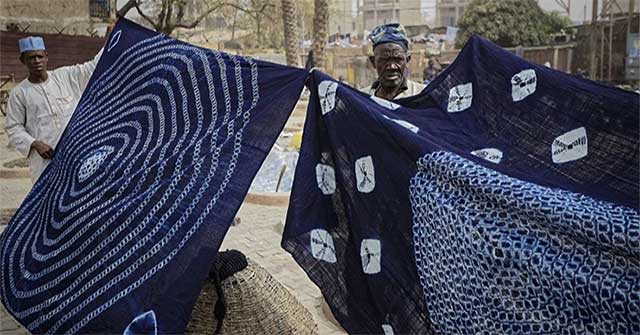
History
Interesting history of tie-dye (tie-dye)
Tie-dye is dyeing by tying each part of the fabric so that the color does not bleed.
Browse ScienceInfo articles and explainers related to Dyeing.
27 published items.
Tie-dye is dyeing by tying each part of the fabric so that the color does not bleed.

Hair straightening increases the risk of breast cancer by 30% for all skin types, hair dyeing increases the risk for black women by 60%.

In ancient times, black teeth were considered a symbol of female beauty, popular among women of all social strata for centuries. In Japan, the practice of dyeing black t…
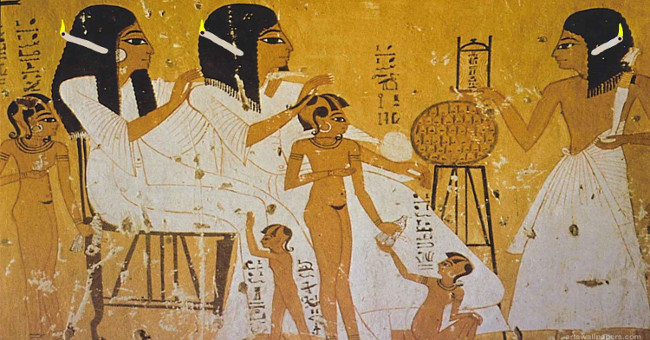
Let's review the facts that not everyone knows about ancient people, make sure you have to say it
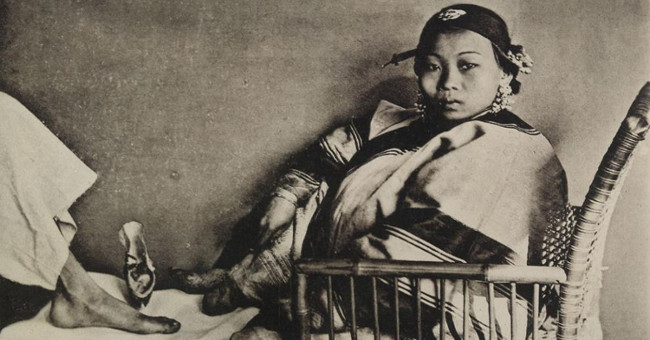
To make me more attractive, old women used 10 incredible ways to make incredible beauty.

Recently, for the first time, scientists have found a way to use one of the most valuable metals to dye human hair, promising to give precious metal lovers a pure gold h…
After going through the bleaching and dyeing process, the ugly fish became beautiful and sparkling.
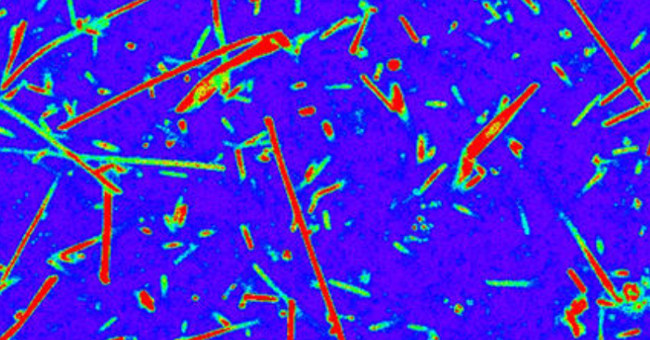
Scientists have chosen a fluorescent dye that allows observing microbial activity in real time.
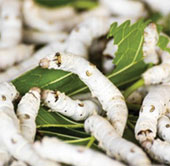
Silkworms eat mulberry leaves and release silk usually yellow. Want other colors must go through the dyeing stage that waste water into the environment is very toxic.

If you are feeling confused and want your woman to be difficult to grasp 'intention', then you should try a multicolored rose.
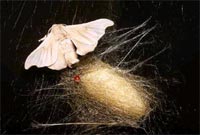
Why do it take silk dyeing when silkworms can be genetically modified to create any color in rainbow colors? It is the goal of Japanese scientists to transform their gen…
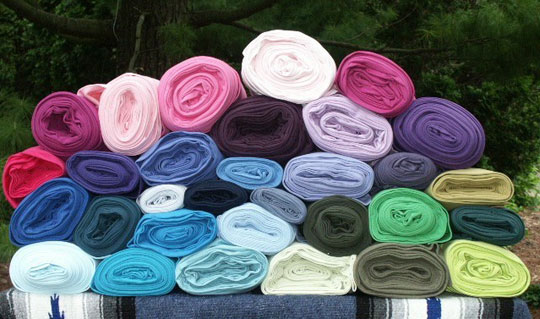
It is no longer necessary to divide colored clothes and white clothes when washing housewives' laundry when scientists have invented a new dye that will never fade.

Sludge from dyeing factories, leather shoes, centralized wastewater treatment ... will be treated with odors, adding chemicals to replace sand in concrete production.
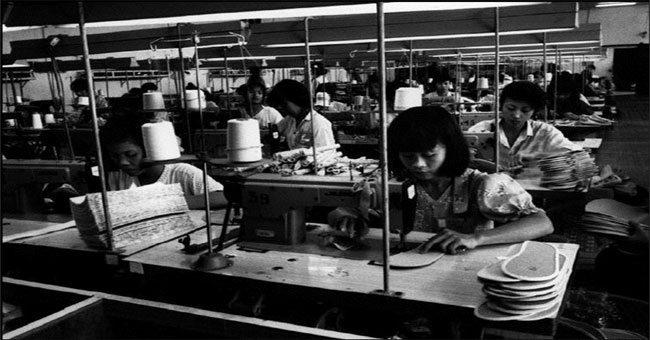
The rare series of activities of businesses run by Chinese Vietnamese in Cho Lon in 1991.
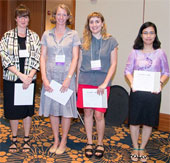
Master Luu Dam Ngoc Anh received the award from the American Textile Association because of the new discovery of indigo-dyed species, helping to preserve the characteris…