Space science
The 'cold copy' of the Earth has ... octopus life form?
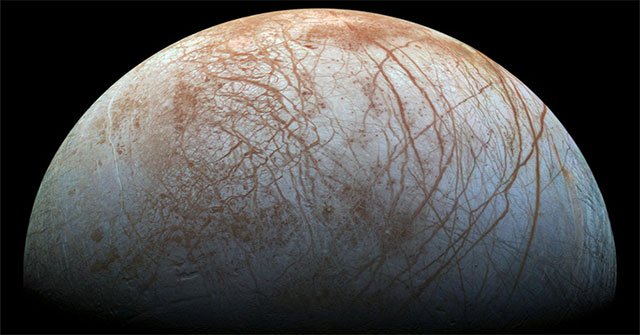
A planetary scientist said that beneath the sea ice of Europa, the moon of Jupiter's life may be octopus-like creatures.
Browse ScienceInfo articles and explainers related to Earth'.
6,634 published items.
A planetary scientist said that beneath the sea ice of Europa, the moon of Jupiter's life may be octopus-like creatures.
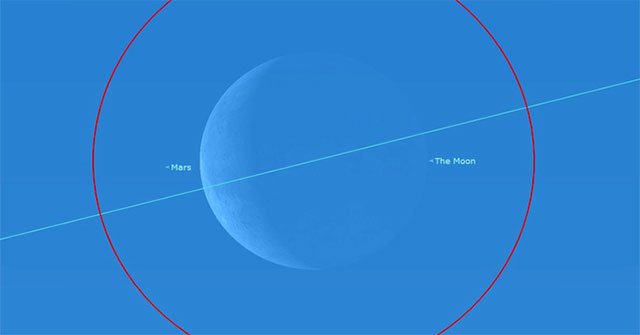
A strange solar eclipse in which the moon does not eat the sun, but ... Mars is one of many strange phenomena that dominate the sky in February.

Ebola, HIV, dengue, and seasonal flu viruses all have high mortality rates and are a threat to humans.

A scientific expert has warned that the Earth may experience a 'mini ice age' lasting over 30 years, causing a sharp drop in temperatures and a possible scarcity of food.
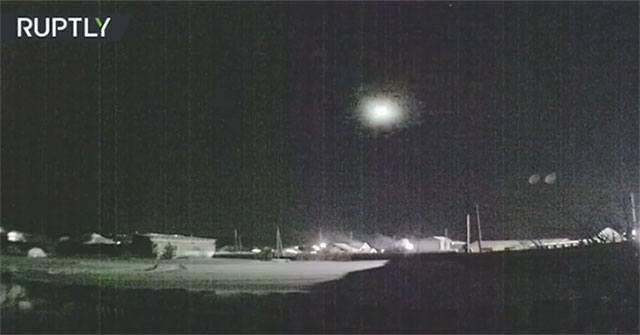
The amateur astronomer filmed the footage about
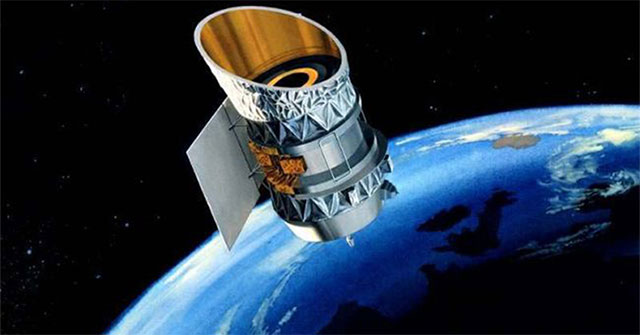
IRAS and GGSE-4 satellites are likely to escape the risk of collision above Pittsburgh, Pennsylvania, USA, at 6:39 am on January 30 (Hanoi time).

What is the hottest place on Earth? A lot of people think that the equator is the hottest place, because the area of the equatorial sun shines all year round. Actually…
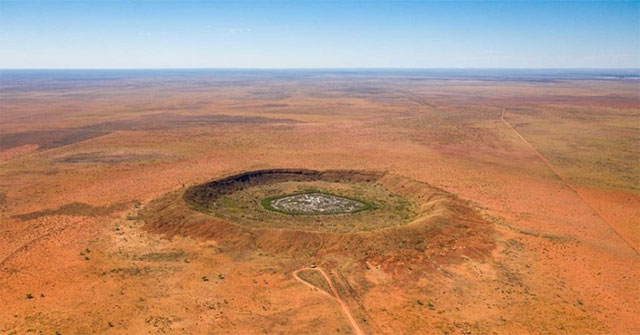
The oldest crater on Earth in the town of Yarrabubba has a diameter of nearly 70km.
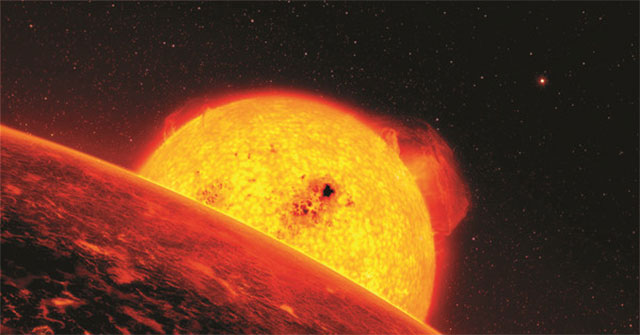
Researchers at the Swiss Federal Institute of Technology (ETH) believe that a portion of the material that makes up Earth comes from giant red stars. They also know why…
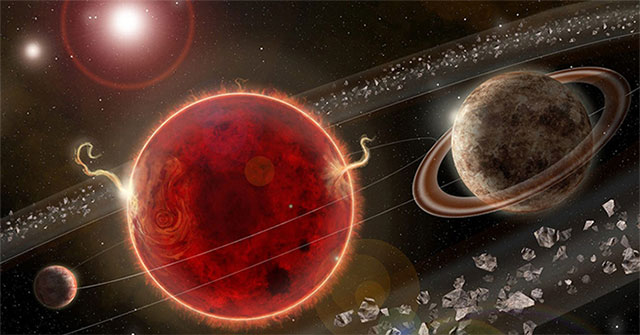
Astronomers found the exoplanet Proxima c orbiting the red dwarf Proxima Centauri, only 4.2 light-years from Earth.
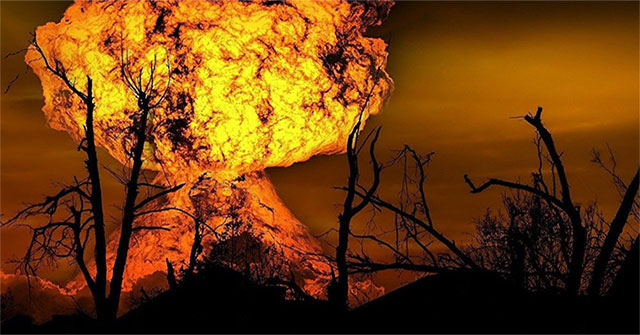
Scientists from the Alliance to protect the Earth from natural disasters (ALLFED) say what humans can eat in the event of a nuclear war, BusinessInsider newspaper report…

Why is everything in the solar system spinning? And why do almost every rotation have the same direction?

Hotter temperatures make men swim, drive and drink more alcohol, leading to a higher risk of death from drowning and traffic accidents, according to new research.
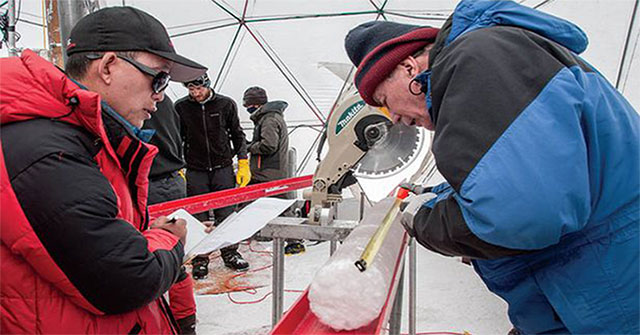
A team of US and Chinese scientists studied two ice cores from a glacier in the Tibetan Plateau and discovered 28 completely new virus samples.
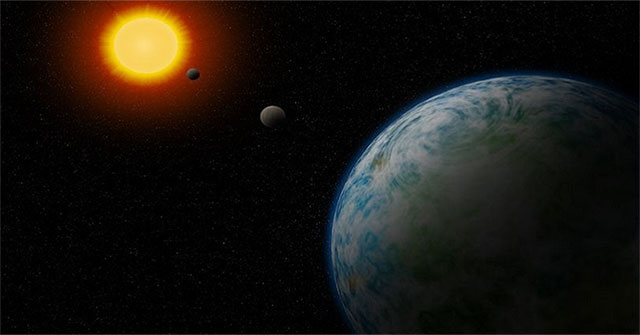
The researchers found that two exoplanets that are nearly eight times the size of the Earth could have liquid water, orbiting stars close to the sun.