
Discover science
The coldest place on Earth is actually ... even colder
A new study indicates that mountain trenches near the top of the Antarctic ice sheet reach temperatures near -100 degrees Celsius in the winter.
Browse ScienceInfo articles and explainers related to Earth.
6,634 published items.
A new study indicates that mountain trenches near the top of the Antarctic ice sheet reach temperatures near -100 degrees Celsius in the winter.

Comets are considered an omen of misfortune, due to its appearance coinciding with disasters and epidemics.
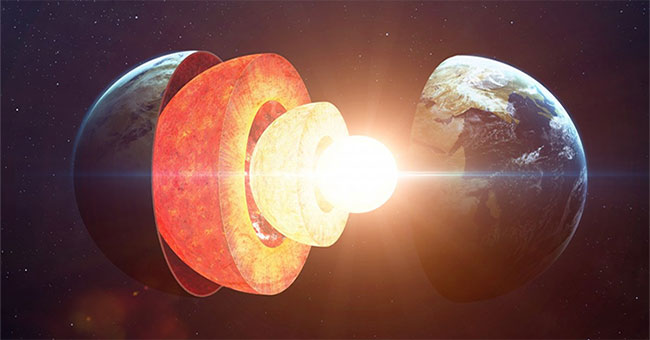
The cooling core of the Earth will follow the magnetic field and the atmosphere disappears, threatening the existence of every creature on the planet.
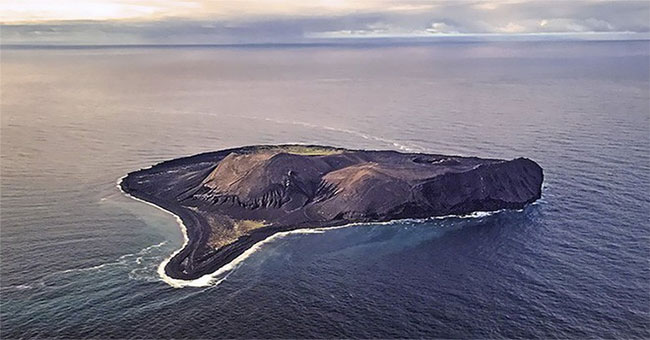
Since its discovery, the island has always been strictly monitored. On Surtsey, a small house is set up for scientists allowed to board the island.

When did you want to kill time, keep staring at the clock and hopefully time will pass faster? Of course the time is still the same, not favoring anyone.

Rub 'al-Khali, the world's largest unbroken sandy desert on the Arabian Peninsula, turned into an oasis with countless lakes after a tropical storm hit Mekunu last month.

A dozen years ago, on TV or on shows
Rain falls into the sea or water particles evaporate during the falling process, resulting in very small amounts of rain hitting the soil.

A Thai space research agency has just released a picture of a package containing durian packages ready to leave Earth in July 2018.
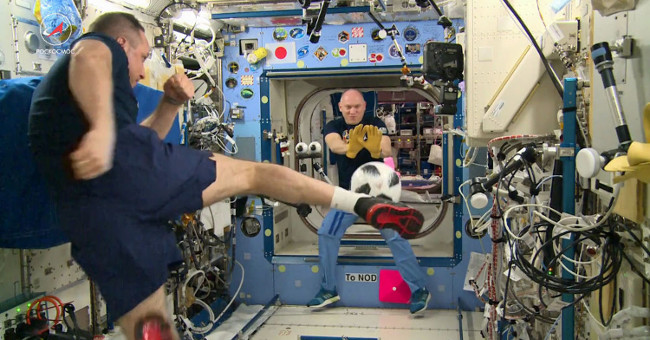
The Russian astronaut, Anton Shkaplerov, transferred the World Cup Telstar 18 ball from the ISS space station to the space of the spacecraft 'Soyuz MS-07' to return to E…

James Oliver, living in England, claims to come from another galaxy, lived in 6491 and went back in time to Earth, when the travel machine was broken.

In a new study conducted by the US National Academy of Sciences, scientists have shown how the Moon affects the day on Earth.
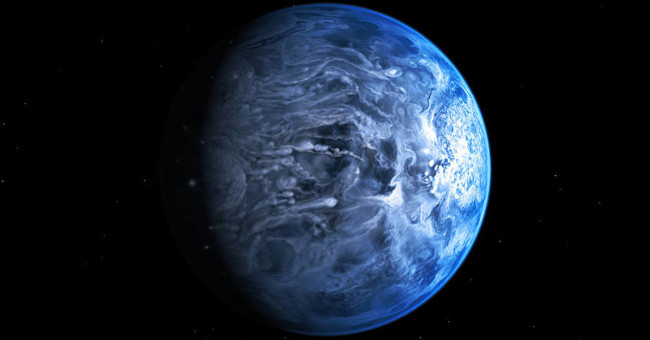
Aliens' civilizations may not achieve the necessary scientific progress, such as space movement or interstellar communication to be discovered by us.
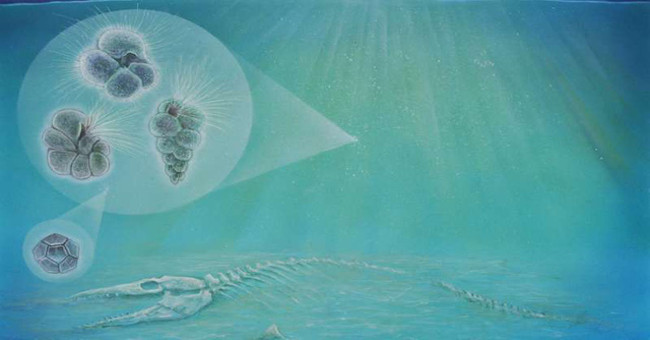
And although that giant meteorite has caused a major extinction, the seabed life where it collided has recovered in less than 10 years.

In a brief second, we can do a lot of things: recognize the acquaintance, snap your fingers, feel love, sleepiness or sneezing.