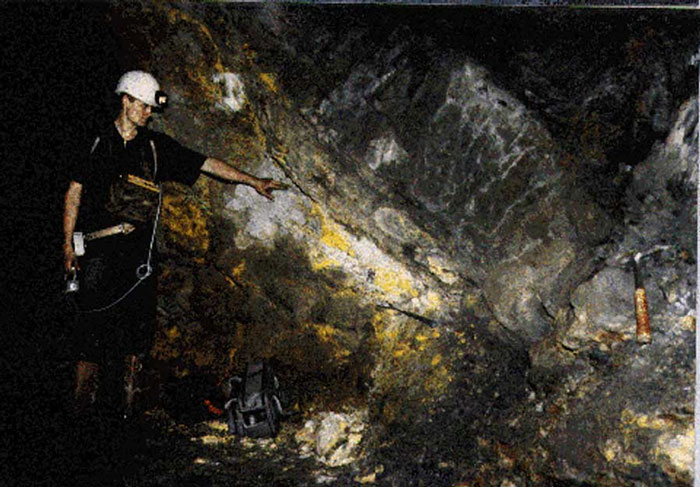
Discover science
The mystery of nuclear reactors
The first nuclear power plant in the world was produced in England, however, in fact, the power generation system using nuclear reactions was built by the Russians in 19…
Browse ScienceInfo articles and explainers related to Earth.
6,634 published items.
The first nuclear power plant in the world was produced in England, however, in fact, the power generation system using nuclear reactions was built by the Russians in 19…

According to geologists, the atmosphere of the Earth's atmosphere is formed about 2.48 to 2.32 billion years ago.
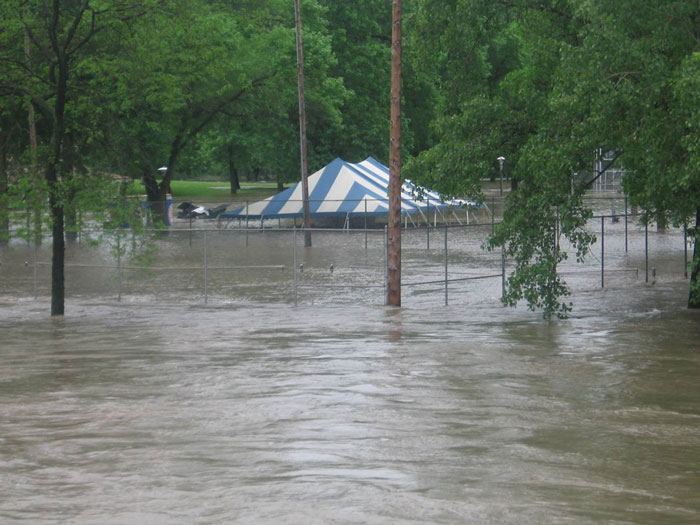
England is famous for a wet, rainy summer. But by the end of the century, rain will also be a luxury.
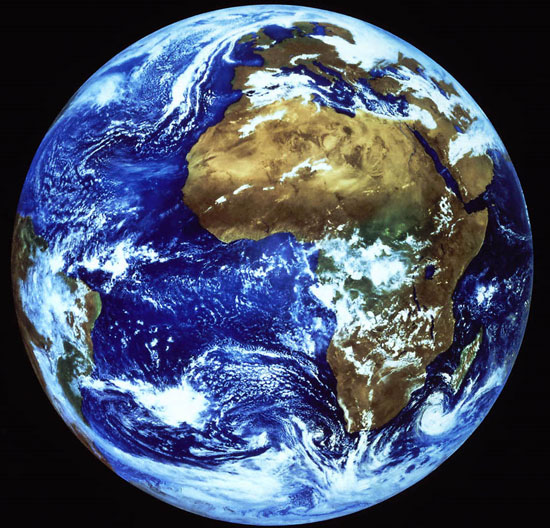
If it ends the destruction of nature, people can be at ease that the earth mother can still bear humanity.
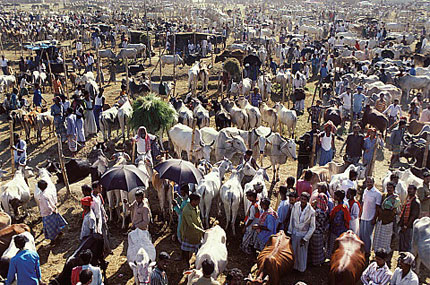
If the estimates made by scientists and the United Nations are correct, then after 100 years, we will have no place to live.
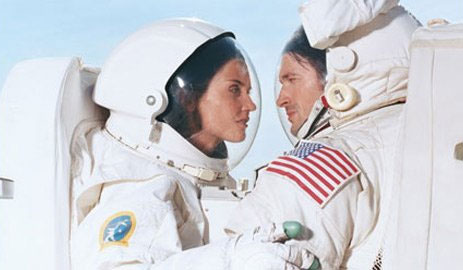
Making a spaceship to visit other planets has been difficult, but how to make it more difficult for people to live on it.
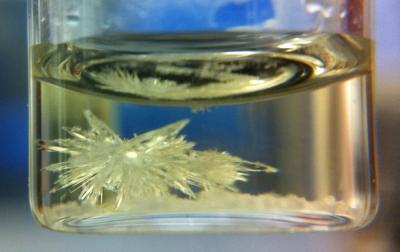
Researchers at Scripps Research Institute and the University of California, Merced, USA, have discovered that the relatively simple combination of sugars in nature and a…
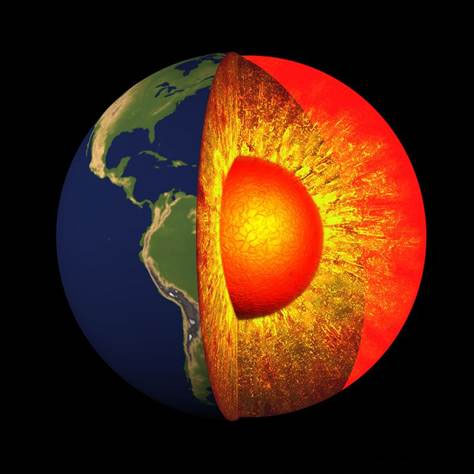
Scientists at the Berkeley Laboratory, USA, and colleagues used the KamLAND detector to measure the amount of radiation emitted by earth's heat sources.
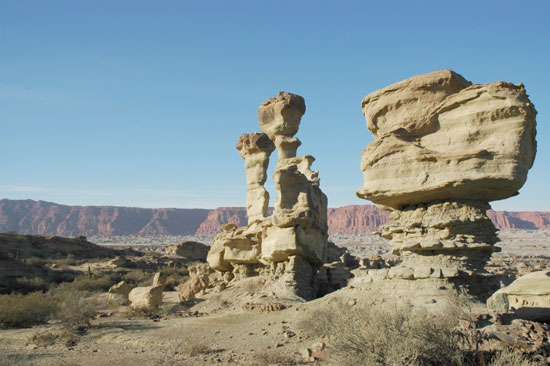

The world consumes about 230 million tons of animal meat every year - twice as large as 30 years ago. We often raise four types - chickens, cows, sheep and pigs - all of…
Using a super-small detector, Professor Christoph Helo at McGill (Canada), has demonstrated that eruptions can also happen to underground volcanoes.
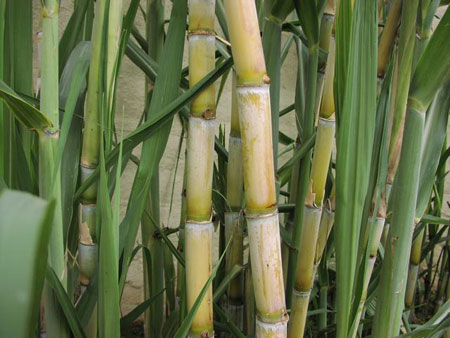
With the ability to reduce the ambient temperature, sugarcane can become a useful weapon in the fight against climate change.

9 million people on the earth have a face similar to the most typical face in the world.
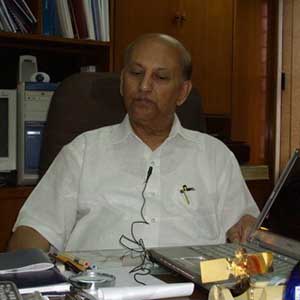
Well-known Indian physicist, Udupi Ramachandra Rao reconsidered the role of cosmic rays during global warming and found it bigger than previously thought.
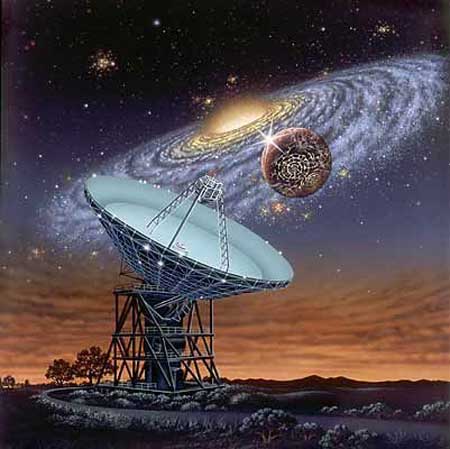
Discover the progress of scientists in solving the toughest scientific problems in human history in the past 10 years.