Discover science
3 Reasons Dinosaurs Never Really Ruled the Earth
Giant lizards may terrify you in the movies, but are we exaggerating their presence in Earth's history?
Browse ScienceInfo articles and explainers related to Earth.
6,634 published items.
Giant lizards may terrify you in the movies, but are we exaggerating their presence in Earth's history?
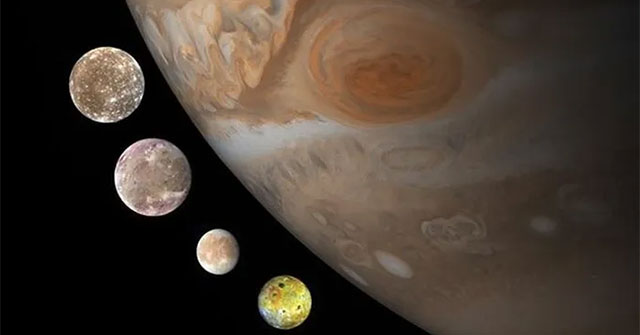
On the rare occasion when our planet is at opposition, with good binoculars you can see Europa, our closest potentially habitable world.
If the sea water suddenly evaporated at the same time, the Earth would fall into an unimaginable disaster. What is that?
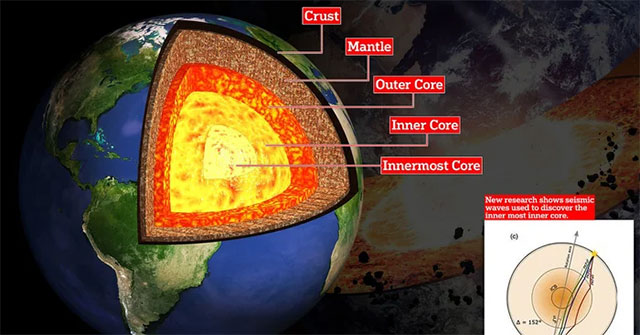
The temperature of the Earth's core is about 6,000 degrees Celsius, higher than the surface temperature of the Sun. Furthermore, the Earth's core is larger than the core…
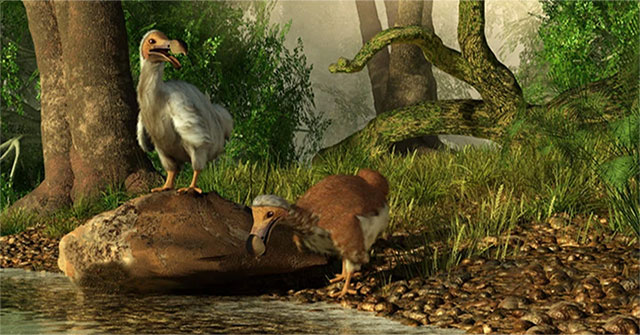
The dodo, one of the largest birds on Earth, faced extinction in the late 17th century and was officially considered extinct by humans in 1662.
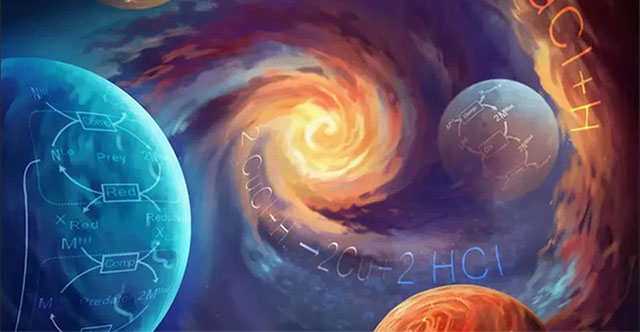
It is entirely possible that aliens came into being from these things.
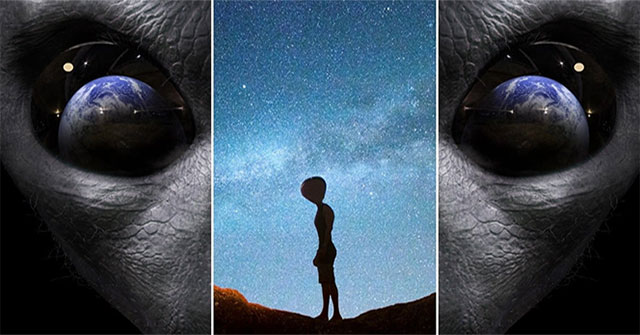
Have you ever wondered what they would be like if we actually encountered aliens one day?
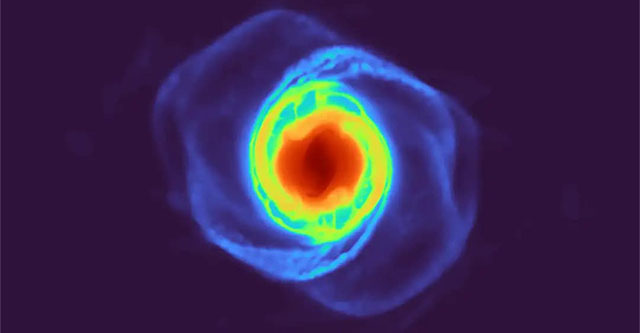
An exoplanet the size of Neptune and denser than steel has been discovered by an international team of astronomers.
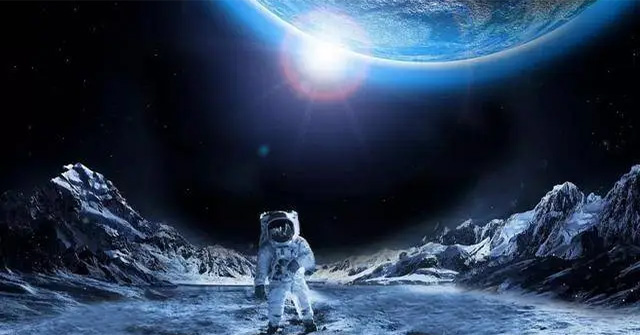
According to astronomers, the average distance between the Earth and the Moon is about 384,000km. So how many days on Earth is 1 day on the Moon?
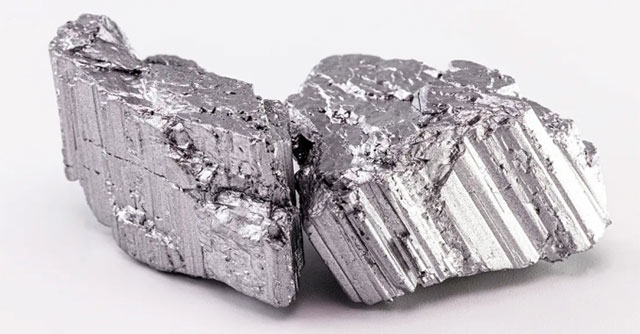
The rare earth elements, a group of 17 metals, are relatively abundant in the Earth's crust but their extraction is extremely difficult.

Astronomers have discovered a large and mysterious dark spot in Neptune's atmosphere.
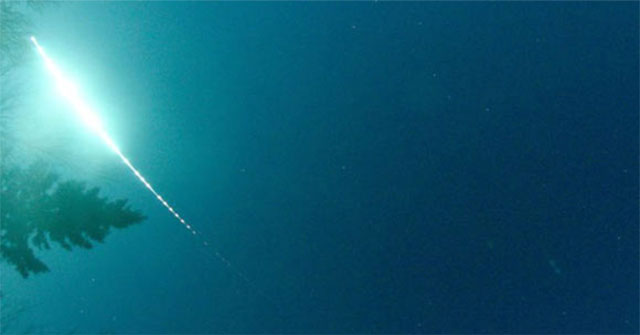
New analysis of a green fireball from the Oort Cloud that landed in Canada in February 2021 could change a host of understandings about the formation of Earth and the en…
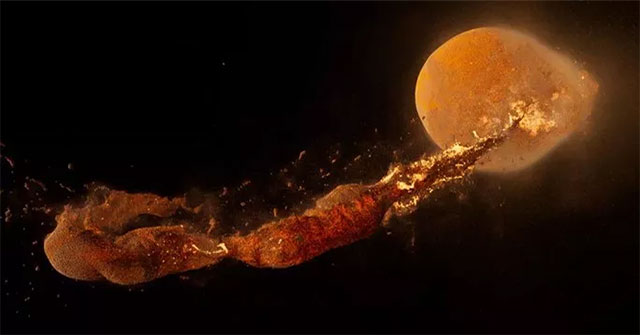
A new supercomputer simulation based on known data about Earth, the Moon and the hypothetical planet Theia has revealed a shocking piece of Earth's history.
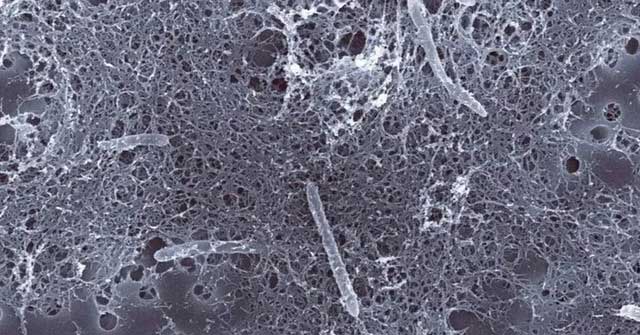
The cold and dry polar regions, the hot and water-poor desert regions, are considered inhospitable to most life on Earth.
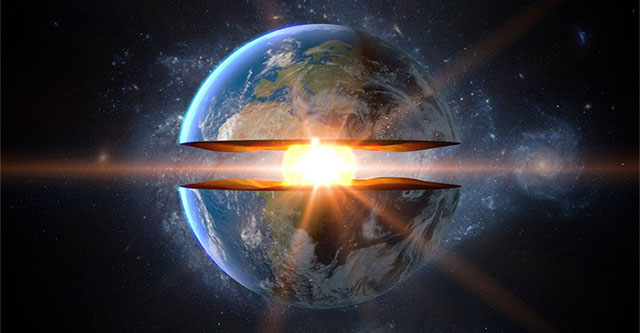
Scientists have just made a surprising new discovery: The Earth's inner core is not only changing its rotation speed, but may also be deforming.