Archeology
Earth's oldest life has just been discovered in Northern Canada
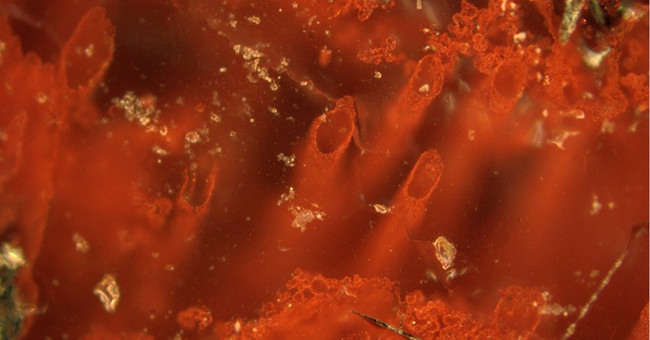
About 35km north of Inukjuak - an Inuit village in northern Quebec - about 35km there is an unusually rising rock strip from the ground.
Browse ScienceInfo articles and explainers related to Earth.
6,634 published items.
About 35km north of Inukjuak - an Inuit village in northern Quebec - about 35km there is an unusually rising rock strip from the ground.
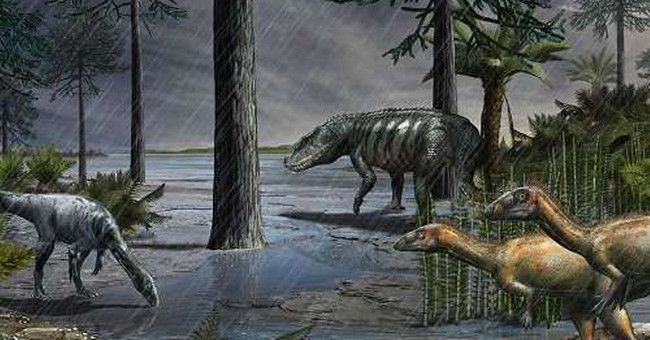
Dinosaurs have dominated our planet for millions of years. But then a giant meteorite appeared and turned them into creatures

More than a century ago, German scientist Alfred Wegener (1880-1930) proposed the idea of an ancient supercontinent after combining some evidence together.
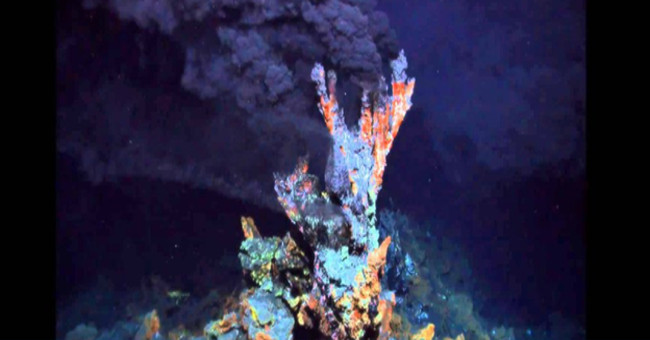
Since ancient times, there is only one form of life on earth - that is the most common common ancestor of all cells, or LUCA.
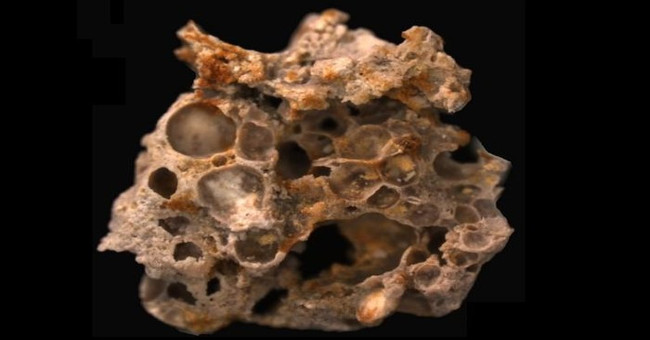
According to Geobiology magazine, Swedish and Danish paleontologists analyzed the 1.6-billion-year-old fossils, found in central India.
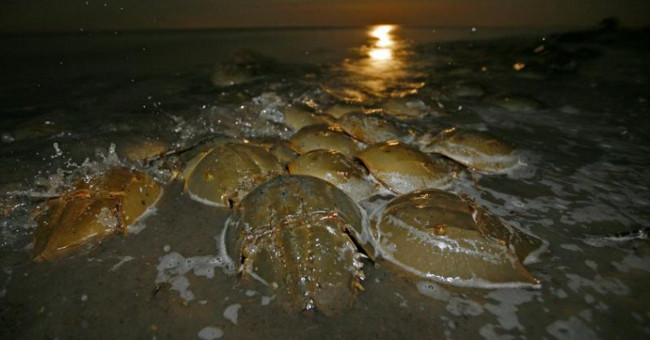
Some animals appeared on Earth hundreds of millions of years ago, overcoming extinction events to survive today.
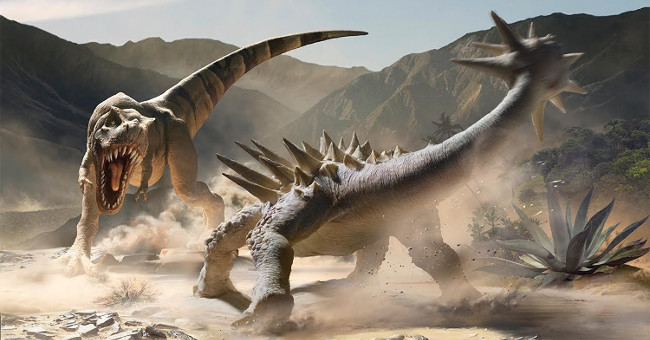
One of the most terrifying creatures that ever existed in Earth's history is the tyrant dinosaur (tyrannosaurus rex), or T-rex.
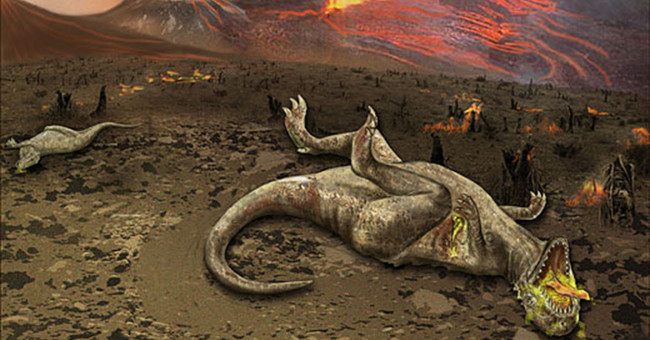
You probably know, millions of years ago Earth was dominated by giant reptile monsters named after
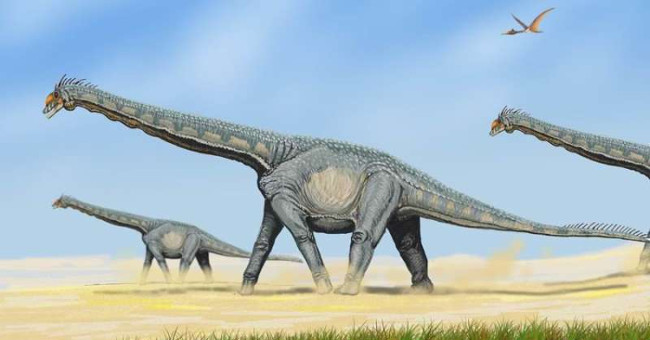
Dinosaurs with massive bodies, moving long distances and leaving huge amounts of waste helped the Earth to be much more fertile than today, the International Business Ti…
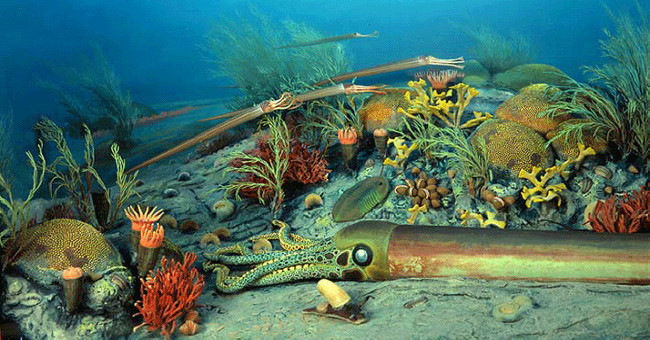
Back in history, learn about the 5 Great Extinctions on Earth and seek solutions to the 6th Great Extinction.
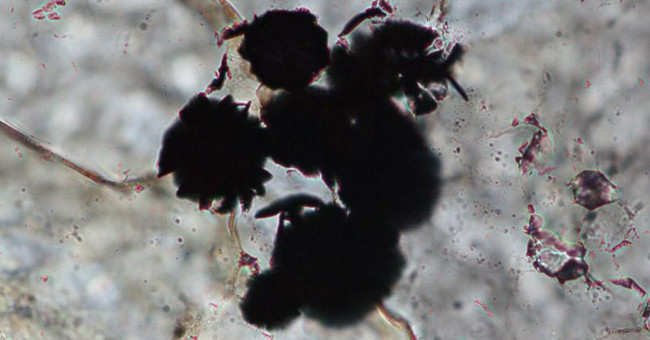
Stones that have just been found by Japanese scientists in northern Canada can reveal evidence of the first life on Earth.
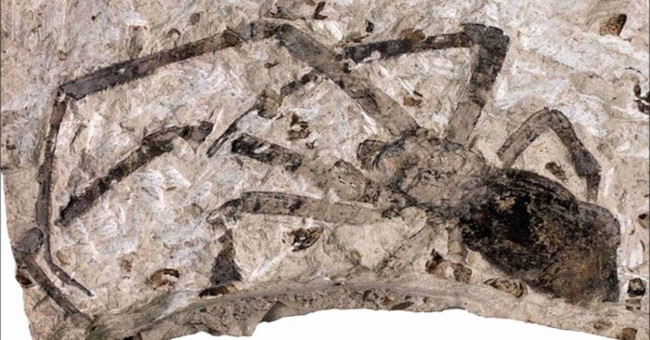
Earth in the past has had periods of global warm weather, abundant oxygen in the air, creating conditions for species to grow suddenly.
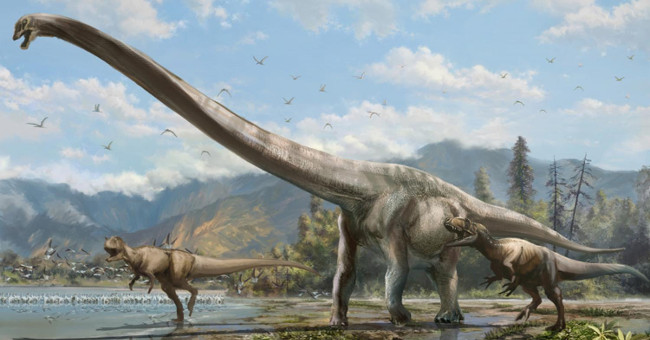
Scientists have studied and hypothesized that if the collision does not occur or occur with less destructive power, now how dinosaurs will evolve and live, according to…
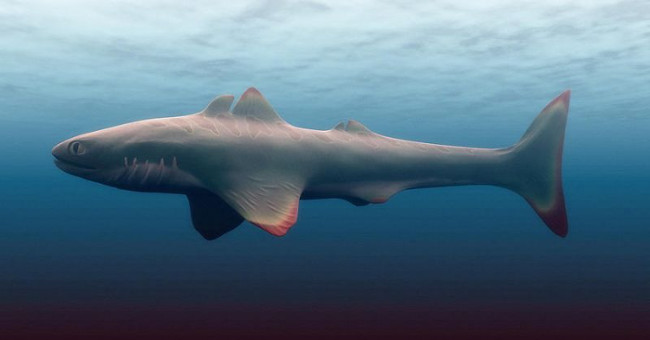
According to archaeological data of scientists after the discovery of their fossils in the Midwestern United States, Cladoselache is the ancestor of the shark.
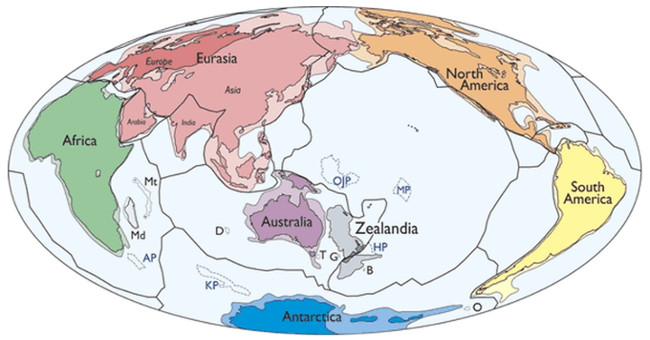
Professor Sutherland, Victoria University, Wellington said a drill will collect sediments about 300-790m deep to learn about the transformation of Zealandia for tens of…