Space science
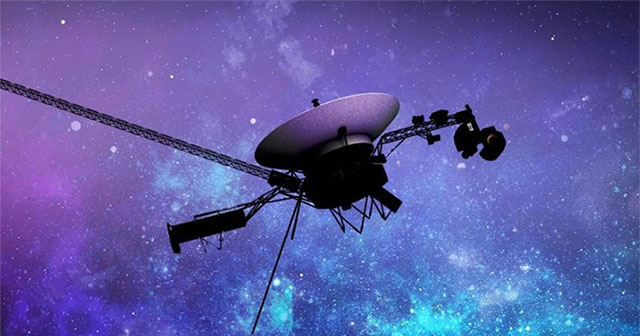
From outside the Solar System, Voyager 1 still sends data back to Earth
Forty-seven years after its launch, Voyager 1 continues to bring back important data from outside the Solar System.
Browse ScienceInfo articles and explainers related to Earth.
6,634 published items.
Forty-seven years after its launch, Voyager 1 continues to bring back important data from outside the Solar System.
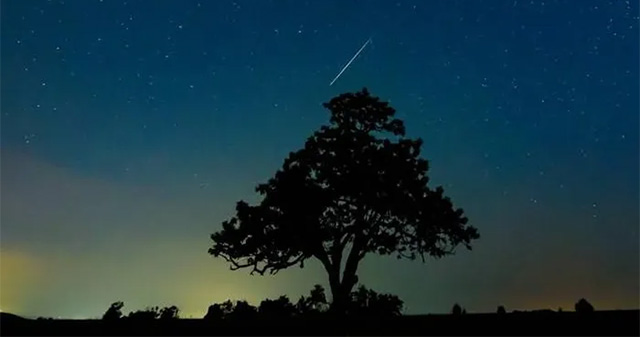
November will have many interesting astronomical phenomena worth admiring, including a new moon, a supermoon, two brilliant meteor showers, and a direct Uranus conjuncti…
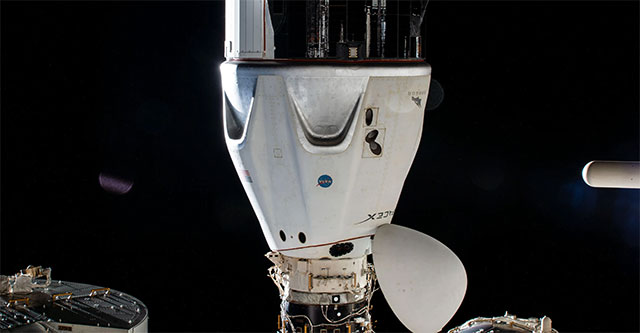
The astronauts of the SpaceX Crew-8 mission have left the International Space Station (ISS), beginning their journey back to Earth, expected to land off the coast of Flo…
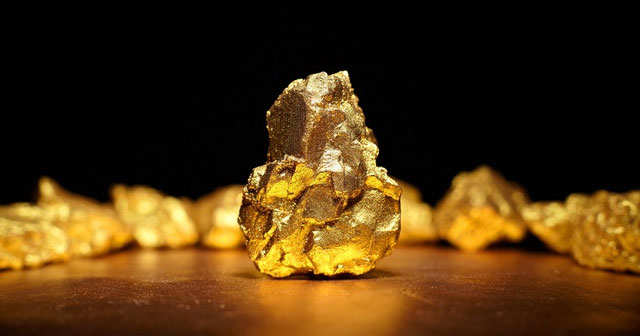
Gold is not only a precious metal, a symbol of wealth and luxury, but also carries within it a mysterious cosmic story about its formation from collisions between neutro…
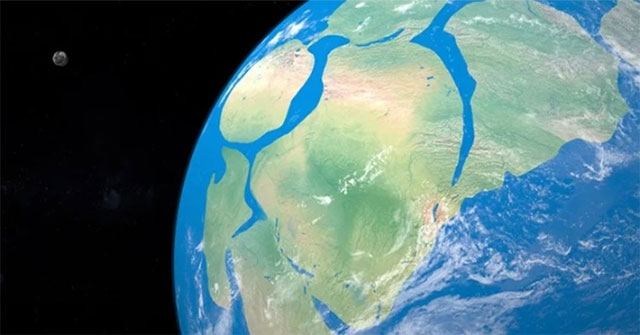
The Earth's mantle was split into two regions, the African region and the Pacific region, when the supercontinent Pangaea broke apart.
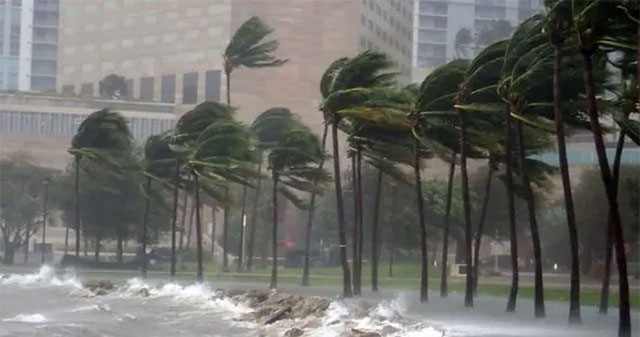
Winds on Earth can reach incredible speeds, from powerful natural gusts to supersonic winds created in laboratories.
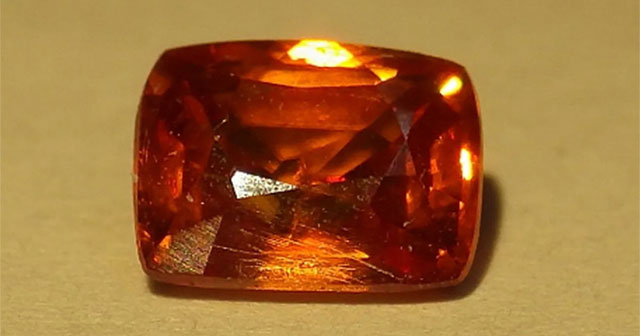
The only specimen of kyawthuite weighs just 0.3 grams, was found in Myanmar and is now housed in the Los Angeles Natural History Museum.
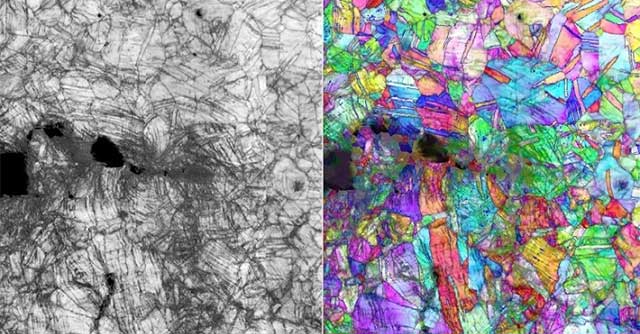
Scientists studied an alloy made of chromium, cobalt and nickel (CrCoNi) and measured the highest hardness of any material.
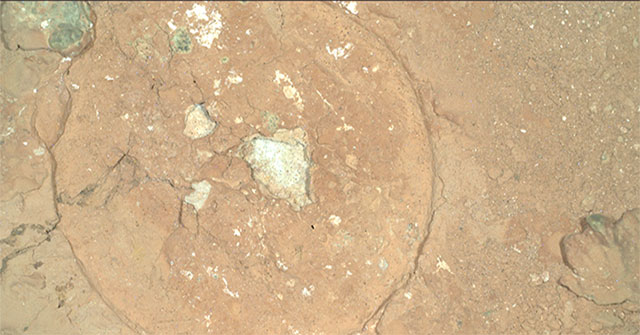
NASA's alien life-hunting robot tried to grind a rock on Mars and discovered something strange inside.
Controlling gravity to achieve anti-gravity not only allows humans to fly in the sky but also brings enormous benefits.
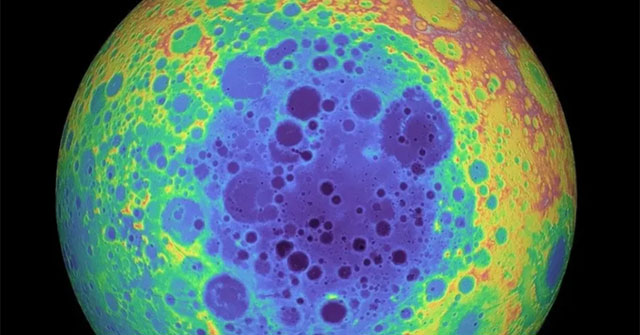
Scientists at the University of Manchester date the South Pole-Aitken basin on the Moon to between 4.32 and 4.33 billion years ago.
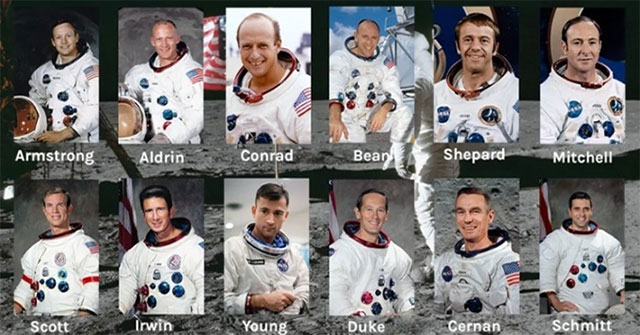
Although costly and fraught with risk, the Apollo program was a huge success for NASA, landing a total of 12 astronauts on the surface of the Moon.
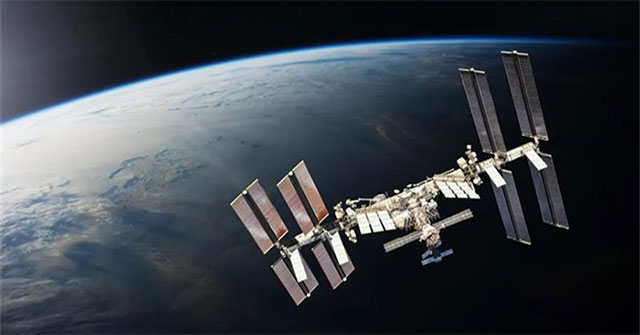
Work to fix the ISS leak is still underway, with NASA and Russia now identifying 50
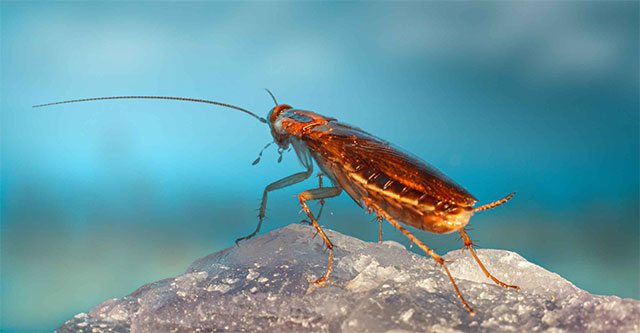
When it hit Earth, the Chicxulub asteroid wiped out the dinosaurs, but it failed to do the same to cockroaches, and there's a reason why.
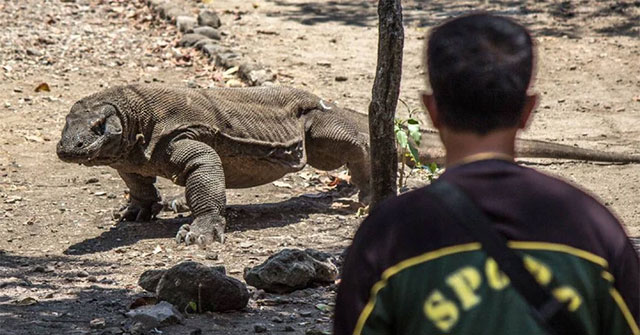
In fact, not only animals, but humans are also sometimes targets of Komodo dragons.