
Space science
Astronomical students discovered 4 new planets
A 22-year-old Canadian student suddenly discovered 4 new planets, of which two planets are about the same size as the Earth and a planet in the area could survive.
Browse ScienceInfo articles and explainers related to Earth.
6,634 published items.
A 22-year-old Canadian student suddenly discovered 4 new planets, of which two planets are about the same size as the Earth and a planet in the area could survive.
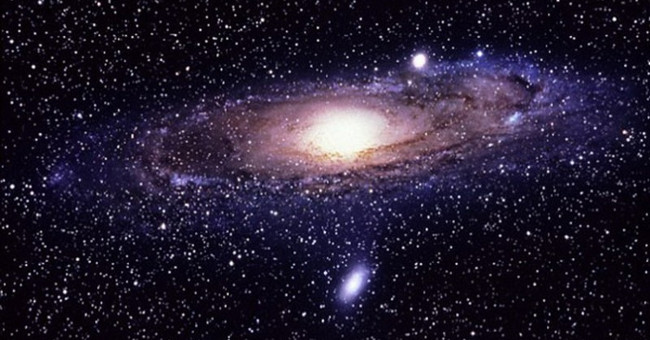
Astronomers have spent decades searching for extraterrestrial life. And now, an expert believes that detecting alien existence will not be as difficult as before.
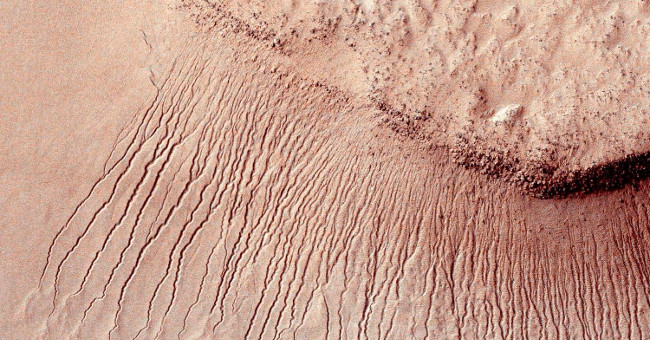
Mars (Red planet) always contains many mysterious mysteries that make scientists and astronomers constantly discover and conquer.

17 years since being launched into space in 1998, the International Space Station (ISS) has just completed the 100,000th roundabout around Earth on May 16.
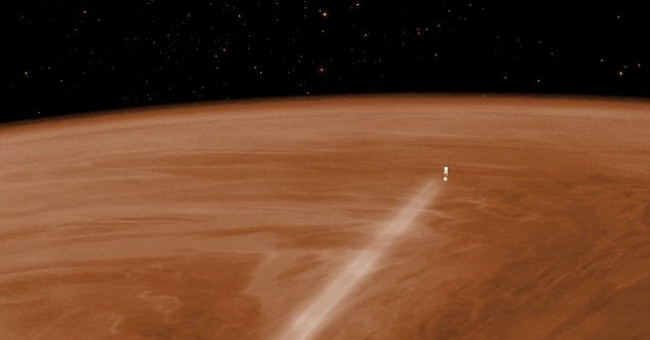
Scientists have discovered polar regions on Venus even colder than anywhere on Earth.

On May 21-22, astronomers all over the world not only have the opportunity to follow the rare blue full moon but also can observe Mars in the closest position to the Ear…
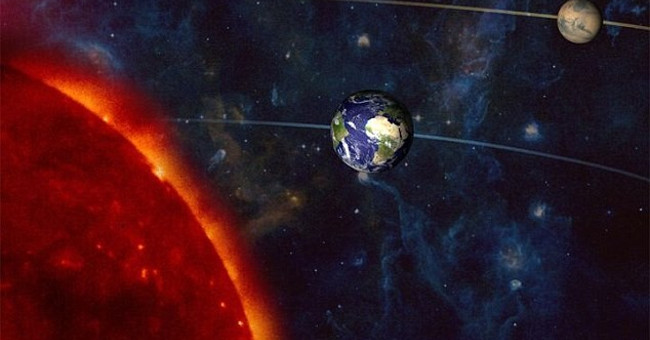
The red planet will arrive at the closest globe to the end of May and also achieve the highest brightness when the Earth is between Mars and the Sun.
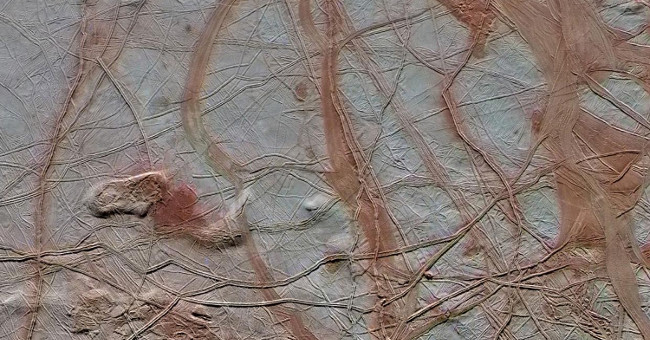
Researchers from NASA discovered that the rate of oxygen and hydrogen production on Jupiter's satellites is similar to that of the earth.
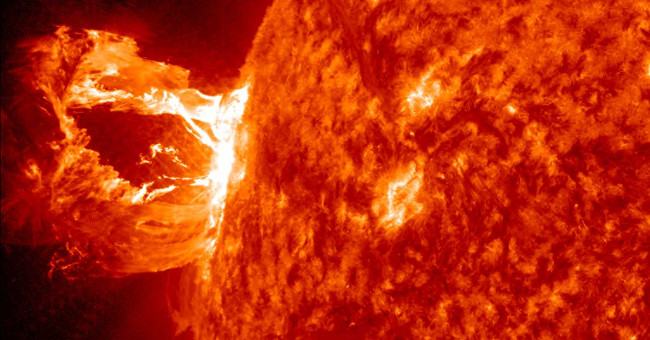
Solar Super Typhoon continuously bombarded high-energy particles to Earth, warming the surface of the Earth and promoting a chemical reaction that benefits life.
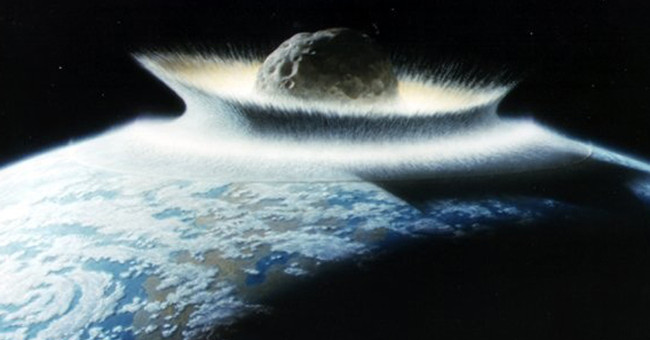
According to a recent study, the collisions of asteroids into the Earth's surface may have facilitated the growth of microorganisms.

Modern technology has brought us many new horizons of scientific knowledge, and one of them is knowing that our Earth has its own
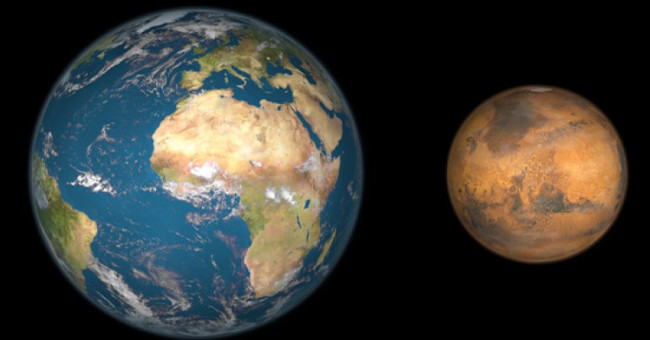
NASA advises astronomers to take advantage of this rare opportunity to admire Mars from the nearest distance.
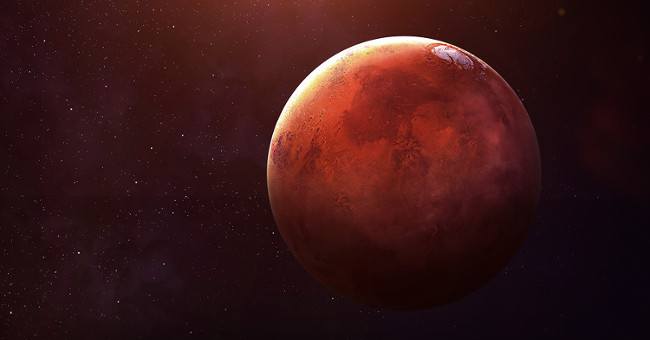
For the first time in 40 years, researchers from the US Aeronautics and Space Agency found oxygen atoms in the middle layer of the red planet.
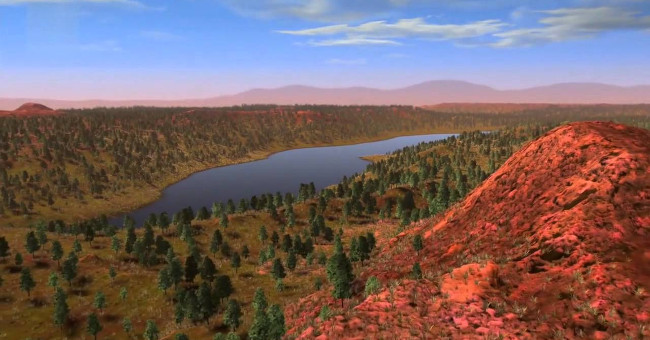
Scientists think humans can warm up Mars in many ways, making the red planet the second Earth, a place conducive to life.
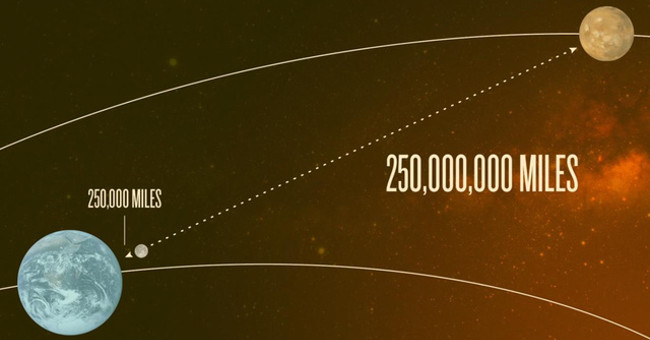
Stephen Petranek, the author of the book