
Science story
The 25 most important events in the history of the formation of the Earth
In this part 2 we will continue to follow the evolutionary history from 375 million years ago.
Browse ScienceInfo articles and explainers related to Earth.
6,634 published items.
In this part 2 we will continue to follow the evolutionary history from 375 million years ago.
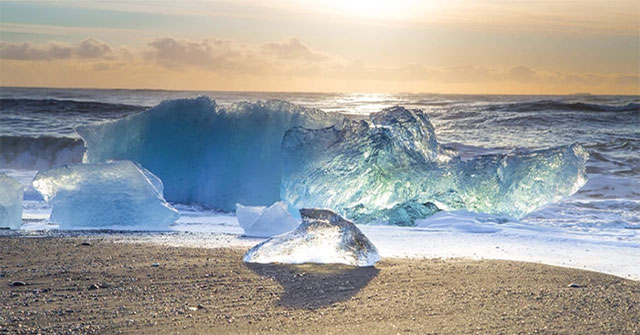
According to National Geographic, Earth has gone through several major ice ages - so when will the next big freeze happen?
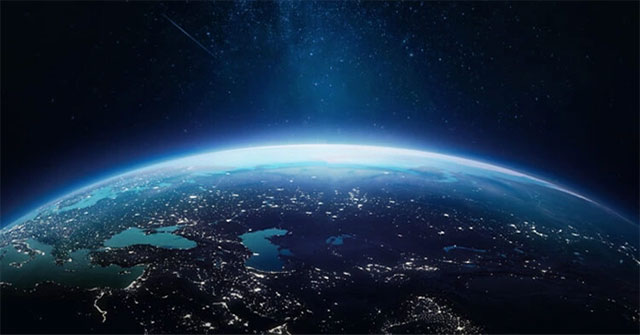
One day, all the heat on the planet will be lost due to a mineral called Bridgmanite.
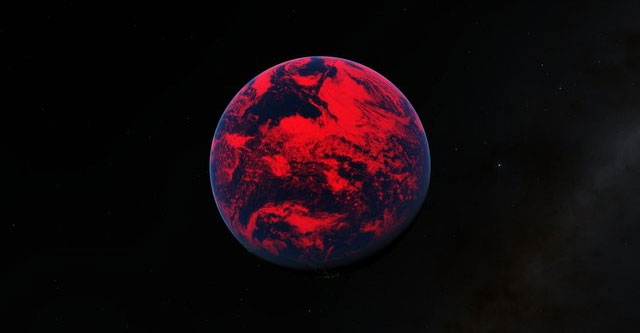
This is a rather interesting question, and it was previously analyzed by Robert M. Hazen in his book
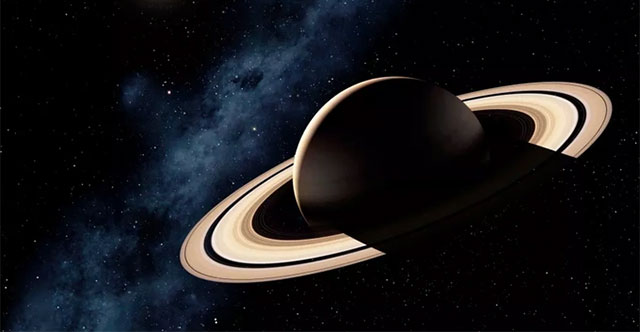
Saturn's beautiful rings may have been formed in a way no one expected.
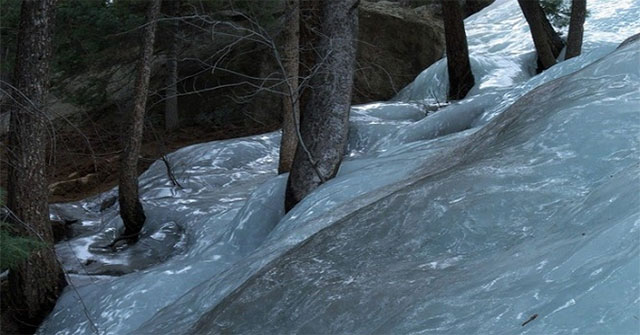
In a world full of strange mysteries, thanks to modern technology, we have recorded phenomena that must be fortunate enough to be seen in life.
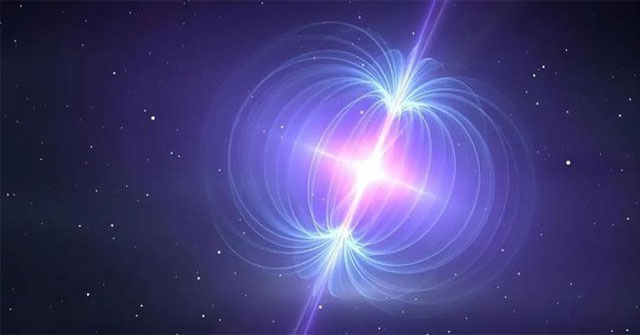
The mass per cubic centimeter can amount to more than 100 million tons, and a tablespoon of matter weighs as much as a mountain on Earth.
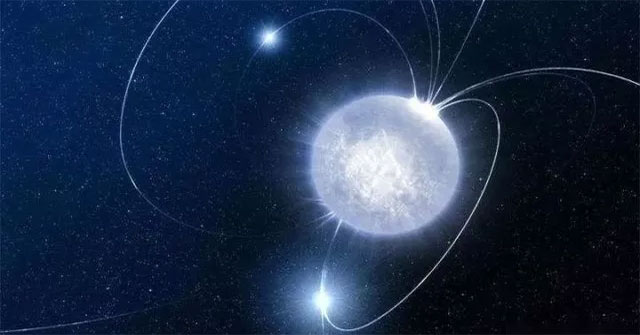
PSR J1748−2446ad is about 18,000 light-years from Earth, currently the fastest rotating object in the known universe.

More and more people are aware that the cost of a plate of meat on the table is a large amount of greenhouse gas emissions, affecting not only the air and water but also…

Is it possible that Earth once harbored a pre-human industrial civilization? So, what if we weren't the first advanced civilization on Earth?
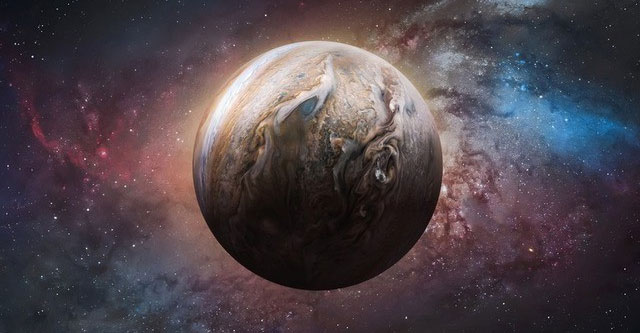
Jupiter or Jupiter is the fifth planet from the Sun and the largest planet in the Solar System.
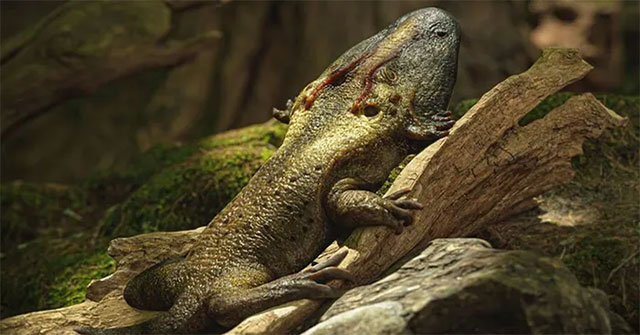
Chemnitzion richteri was discovered at the site of an ancient petrified forest and is thought to have roamed the Earth 300 million years ago.
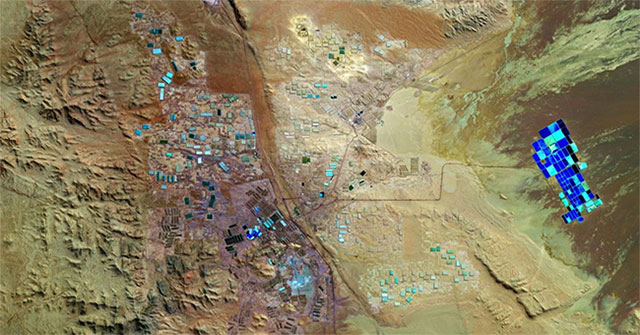
What are scientists hunting in this arid core of the Atacama Desert in South America? The famous arid region on Earth has long been 'shunned' as a mostly lifeless wastel…
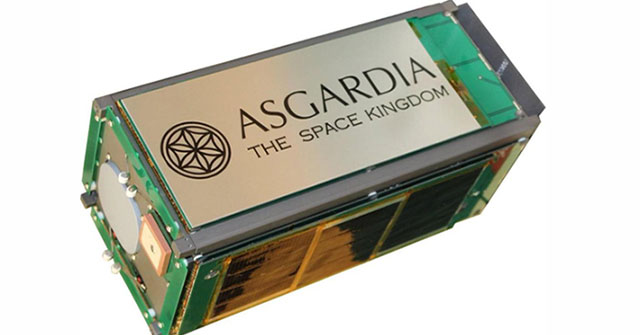
The Asgardia-1 satellite of the Asgardia space national project is gradually decreasing in altitude, possibly falling into the atmosphere and burning up around mid-Septe…
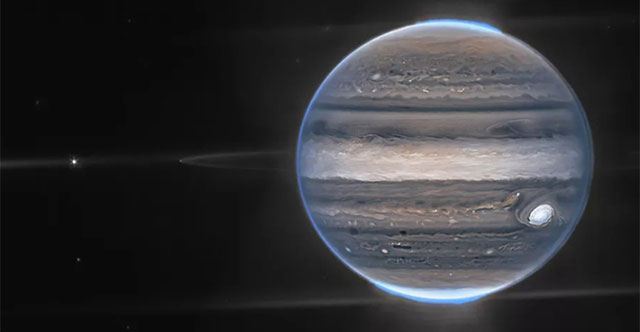
Jupiter will approach the position opposite the Sun on September 26, and will also become the closest and brightest when observed from Earth.