Discover science
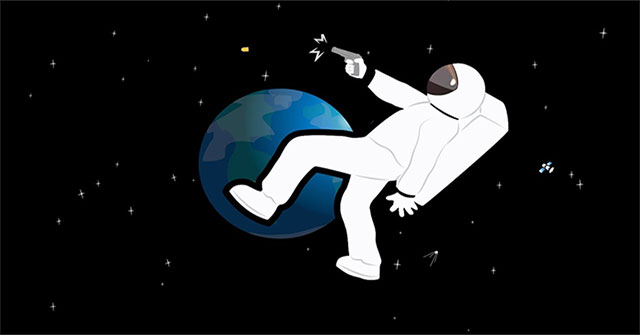
What if you opened fire in space?
The only difference when pulling the trigger on Earth and in space is the shape of the smoke. According to Peter Schultz, an astronomer at Brown University, said in spac…
Browse ScienceInfo articles and explainers related to Earth.
6,634 published items.
The only difference when pulling the trigger on Earth and in space is the shape of the smoke. According to Peter Schultz, an astronomer at Brown University, said in spac…
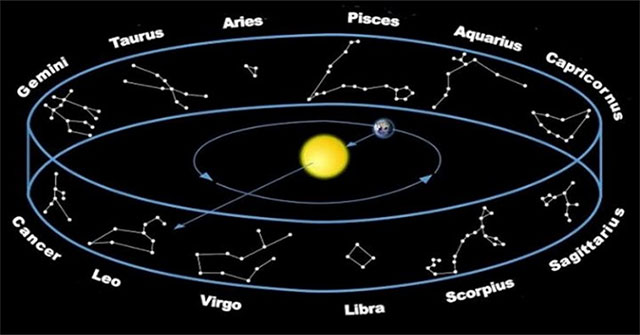
A person may belong to Capricorn, but in fact, at the time of his birth, the Sun is in the middle of the constellation Sagittarius!
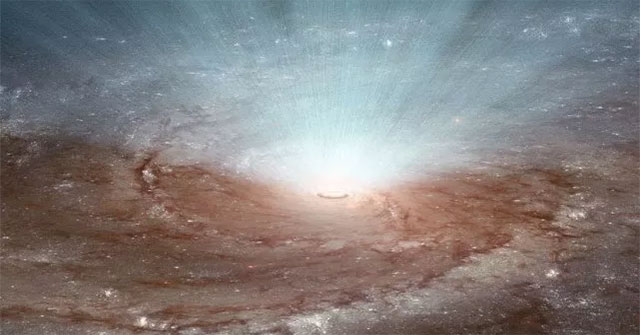
The Japanese team of scientists discovered a peculiar radio signal that they thought came from the center of the galaxy containing the Milky Way earth.
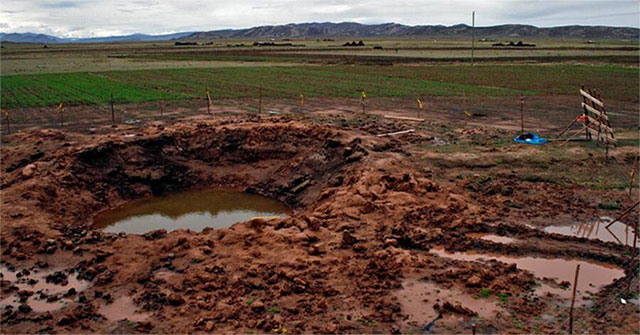
Hours after a meteorite descended near the remote village of Carancas in Peru in 2007, hundreds of people began to show strange symptoms.
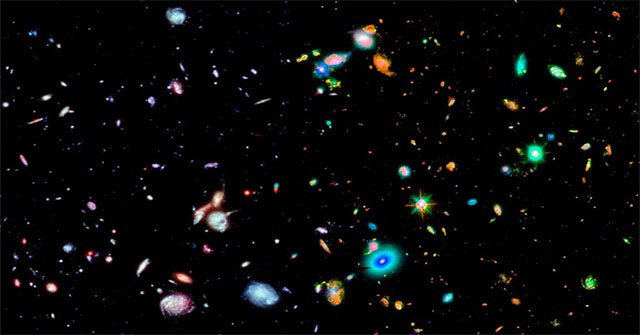
Just like the movie 'The Twilight Zone', a team of NASA scientists working on Antarctica has discovered evidence of a parallel universe - where physical rules are comple…
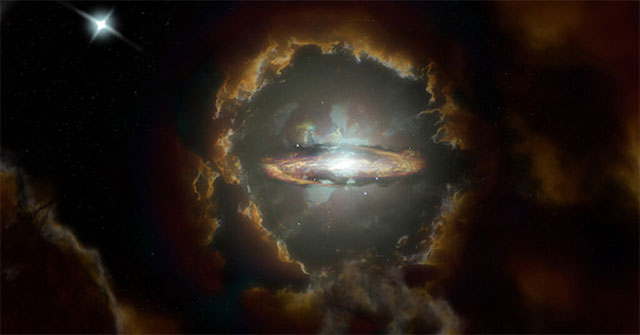
Astronomers observe a disk galaxy 12.5 billion light-years from Earth in the early universe.

HD 164922 has up to three planets with characteristics of the planets in the Solar System, but their properties are disturbed in the style of that beard and his chin.
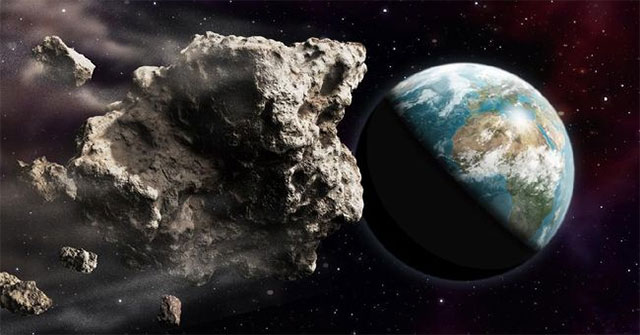
The US Space Agency (NASA) is tracking an asteroid

The largest block of space junk that has fallen on Earth's surface in nearly three decades belongs to the Chinese spacecraft launched in early May.
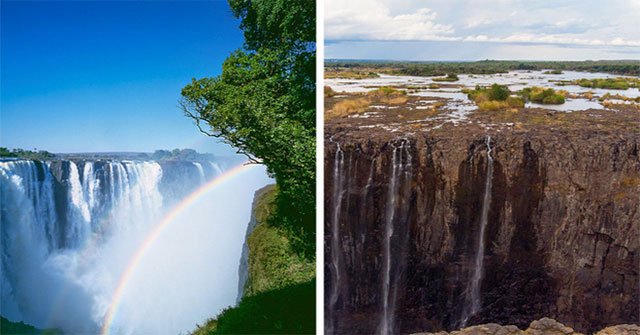
People need to change, to stop the suffering we have caused to this world.
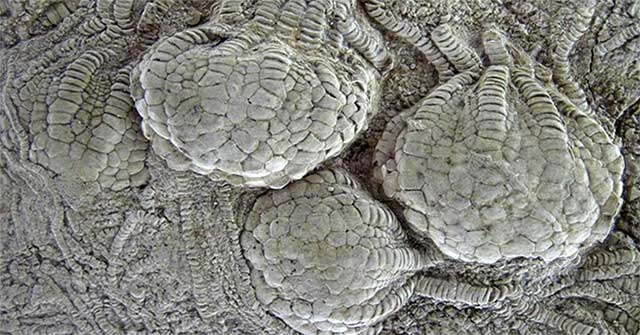
Strange fossils appear in chalk on many continents, on the body with unusual ball-shaped structures never seen in any animal on earth.

The first artificial meteor shower on the planet could occur in the near future when NASA plans to take measures to defend the Earth.

When humans can swim freely underwater like fishes, what new things will appear in life on this Earth?
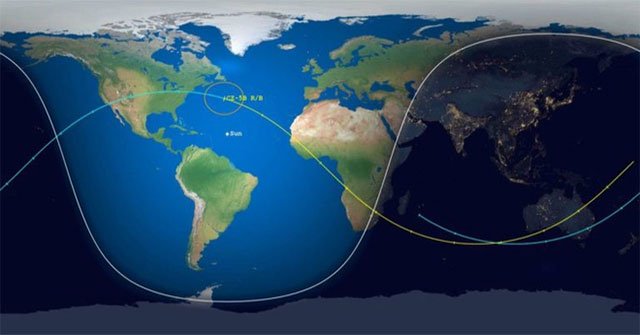
The remains of the Chinese-made rocket became the largest space junk to fall to Earth's surface in nearly three decades.
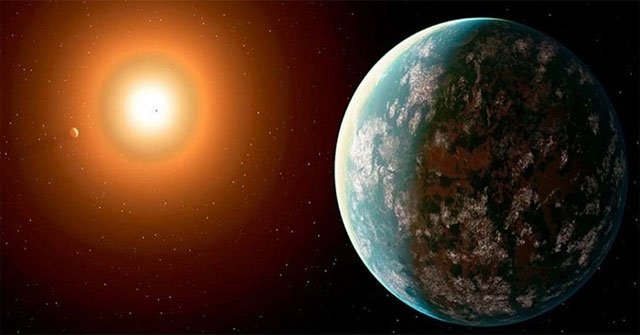
The newly discovered exoplanet has four times the mass of the Earth, orbiting the star as small as 1/10 of the Sun.