
Animal world
New discovery: Cats have the ability to 'eavesdrop' like humans
New studies show that cats can do a lot more than we know about them.
Browse ScienceInfo articles and explainers related to Eavesdrop.
23 published items.
New studies show that cats can do a lot more than we know about them.

Observing the sound vibrations around light bulbs, the scientists demonstrate the technique

This SS7 system is the place to connect global telecom operators together, and sadly, the vulnerabilities that exist in it for more than 20 years could be exploited to e…

This device is capable of interfering with radio signals and remote control on all frequency bands.

Many people will be surprised to know, even the famous 007 spy is not sure to own these super spy tools.

The specially designed cellar helps Russian troops to eavesdrop on the enemy without leaving the ground.

NASA scientists are working hard to find and record possible sounds on Mars.

Unable to run can not hide, trees detect danger and fight enemies by 'eavesdrop' on predators.

As you know, wild creatures have the ability to listen to each other to find clues about predators, eavesdropping effectively about the conversation of other species.
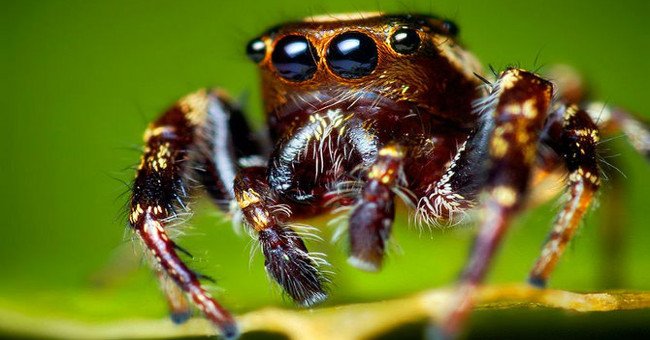
However, this study does not make us afraid of whether or not spiders are eavesdropping on us, it is really just a way for spiders to defend themselves and detect prey.
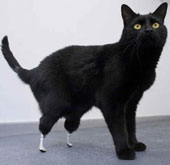
Cats are animals that have been used in scientific research on cloning, prosthetic implants directly or put into space.
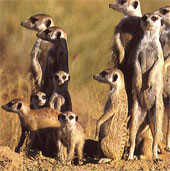
New research from the University of Western Australia, shows that eavesdropping animals will have the advantage of finding food and expanding their living environment.
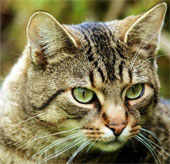
In the 1960s, CIA officials wanted to find an effective and secret way to record the content of foreign officials' talks in the US, Scientific American reported.
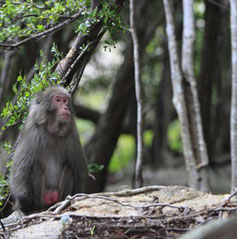
A team of experts from Kyoto University, Japan, came to Yakushima island to study the symbiotic relationship between macaque monkey and Sika deer. In 2004, the team used…
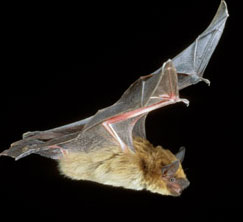
American scientists have discovered that bats learn to hunt by eavesdropping on information transmitted by ultrasound of the same type.