
Animal world
'Shock' discovered the first female shrimp, the 'adventure' is as magical as the fairy
A female shrimp egg, smaller than a grain of sand, can wait 10,000 years until it meets a suitable environment to hatch.
Browse ScienceInfo articles and explainers related to Egg.
375 published items.
A female shrimp egg, smaller than a grain of sand, can wait 10,000 years until it meets a suitable environment to hatch.
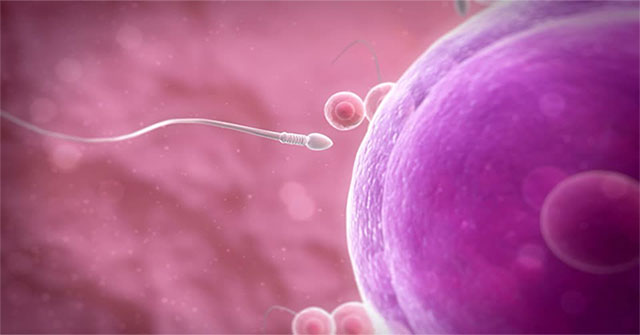
Average each time
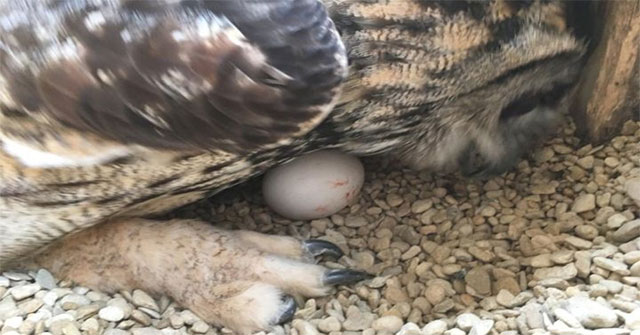
The eagle owl shocked the whole sanctuary in England by laying an egg for more than 20 years, it has always been like a bull.
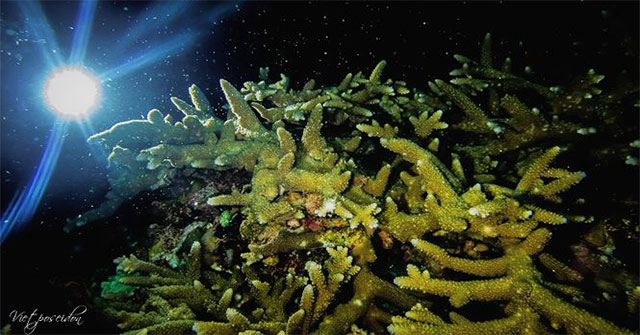
Most hard corals will release gametes (eggs and sperm) on a single night of the year
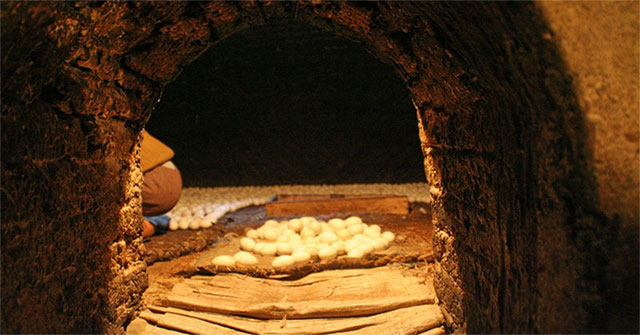
An amazing design, still applicable in today's life. So, see how good the Egyptians are.
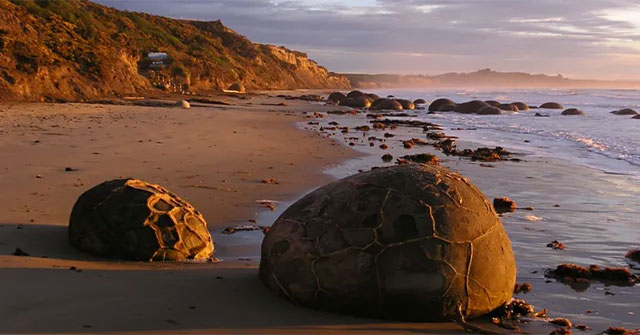
The pebble weighs several tons, has a perfect circle of people likened to 'dragon eggs', which existed here for tens of millions of years.
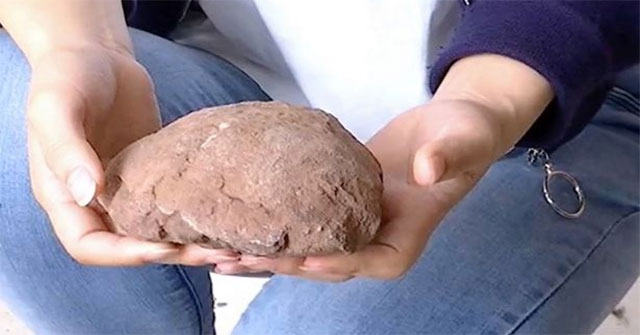
4 students accidentally discovered 6 dinosaur eggs 66 million years ago when going out in rural areas of Jiangxi province, southern China.

Blue electric 1-inch individuals were stuck in limestone caves that were sunk in the desert of Nevadan since the Ice Age. In 2013, their number was only 35.
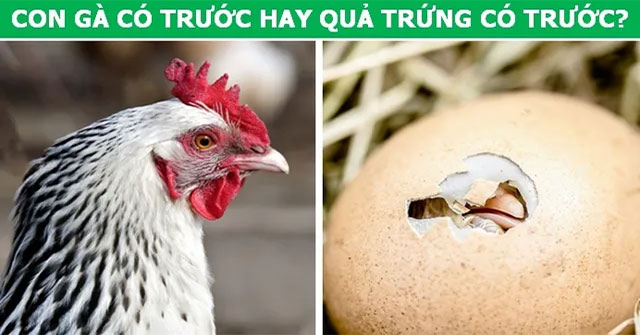
Is the chicken first or the egg first? Why do cats often focus on looking indeterminate? How does skin gecko change color? Search for answers to these 'age-unlimited' qu…

After the egg is fertilized, the woman will have the opportunity to go through the most sacred journey of creation: 'Pregnancy'.
The members on Reddit recently discovered an extremely interesting thing on Youtube. This video platform hid a dog into videos that users didn't know.
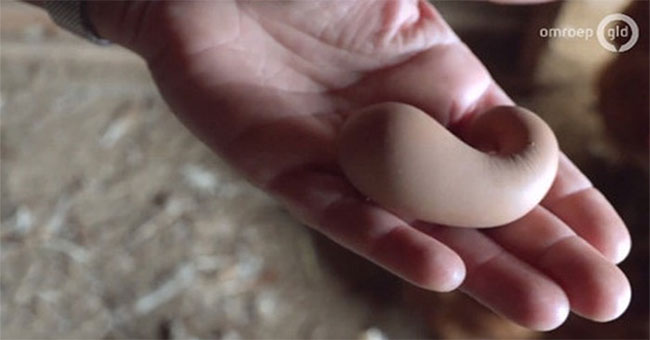
Ordinary chicken eggs are oval but recently, Gea Berculo - a rancher in Gelderland, Netherlands, found a strange egg, shaped like a stool.

Living in the period tens to hundreds of years ago, when science and technology has not yet developed, people seem to be more creative when they create many things that…
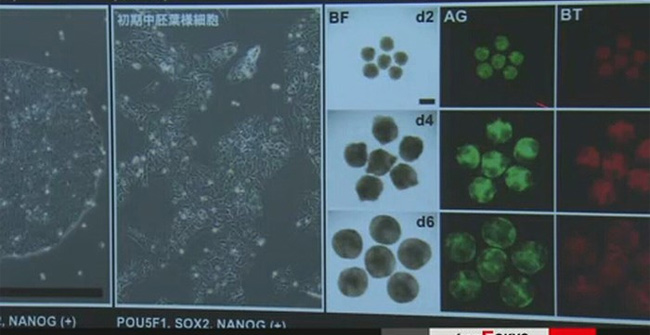
For the first time in the world, a group of Japanese researchers have used human multi-functional stem cells (iPS) to create immature reproductive cells, which can devel…
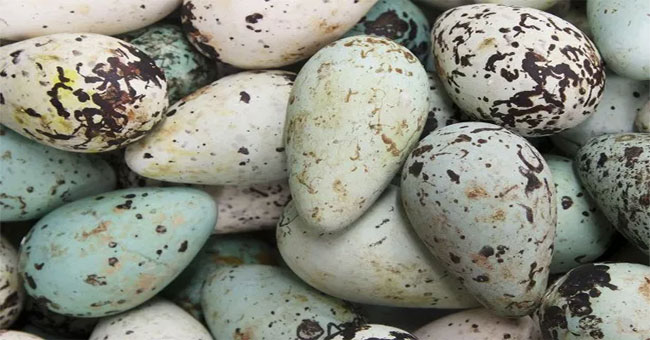
According to Auk: Ornithological Advances magazine, British scientists explain why the eggs of some seabirds are pear-shaped.