1001 mystery
Mystery of the mummy of the woman mistaken for an Egyptian pharaoh
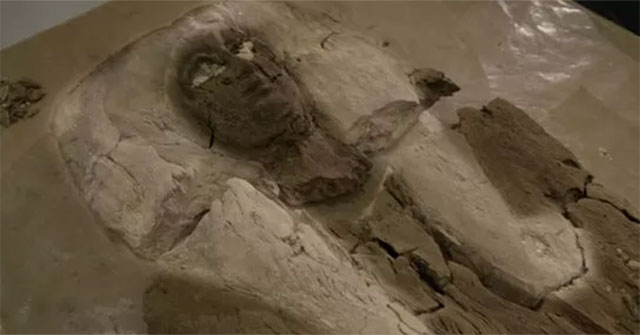
Archaeologists were stunned when they discovered the mummy of a mysterious woman in a tomb for the pharaohs of ancient Egypt. Who was this woman?
Browse ScienceInfo articles and explainers related to Egyptian Pharaoh.
33 published items.
Archaeologists were stunned when they discovered the mummy of a mysterious woman in a tomb for the pharaohs of ancient Egypt. Who was this woman?
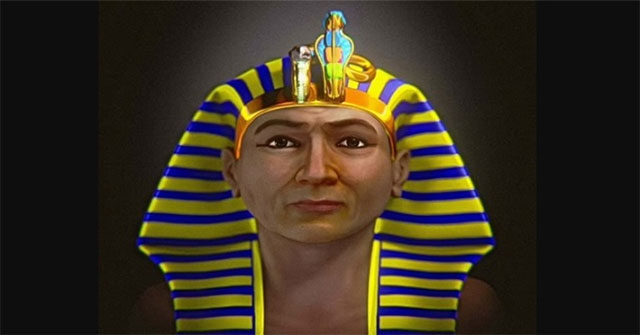
Graphics experts recreate the face of pharaoh Amenhotep I, who created the Valley of the Kings and rewrote ancient Egyptian history.

Including the time she served as regent and pharaoh (king of Egypt), Hatshepsut ruled Egypt for a total of 21 years.
According to statistics, there are more than 7,000 languages in the world, when and where these languages originated and how they developed is still a scientific m…
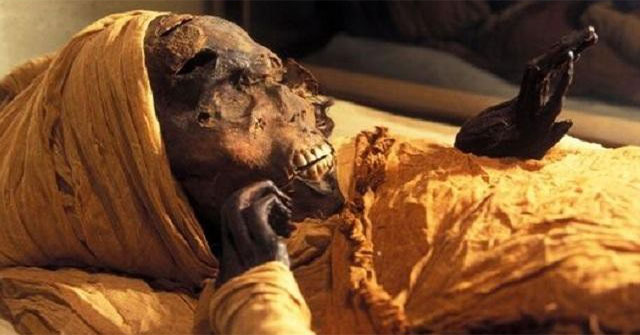
According to the Express, ancient Egypt is one of the most fascinating civilizations for archaeologists.
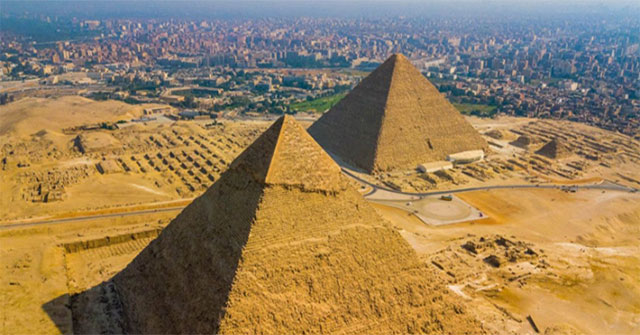
After more than 1,000 years of using giant pyramids as burial sites, the pharaohs turned to underground tombs for a variety of reasons.
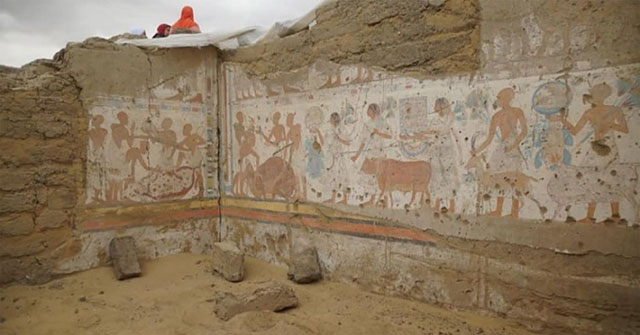
Egypt's Ministry of Tourism and Antiquities on October 30 announced the discovery of the tomb of Ptah-M-Wea, who held many important positions in the reign of pharaoh Ra…
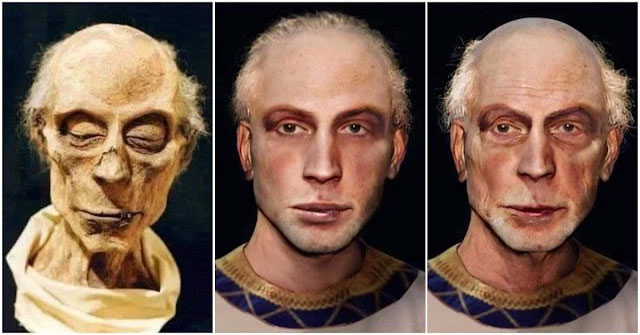
Ramses II is noted as one of the greatest, most powerful and celebrated pharaohs in ancient Egyptian history.
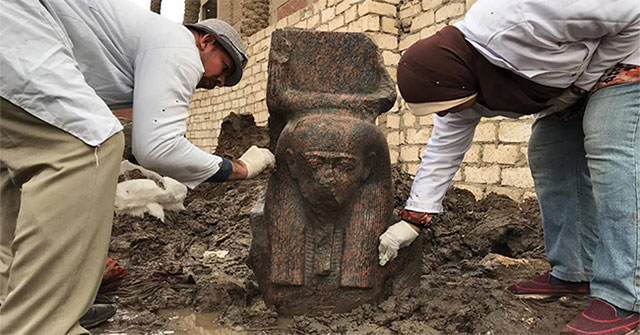
The Ministry of Antiquities on 11/12 announced the discovery of a bust of pharaoh Ramesses II of the 19th Dynasty in Egyptian history.
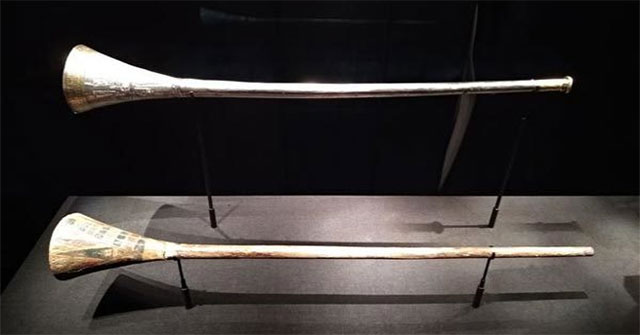
The pharaoh's horn was famously used only three times in the past 3,000 years. But every time he spoke, a disaster soon followed.
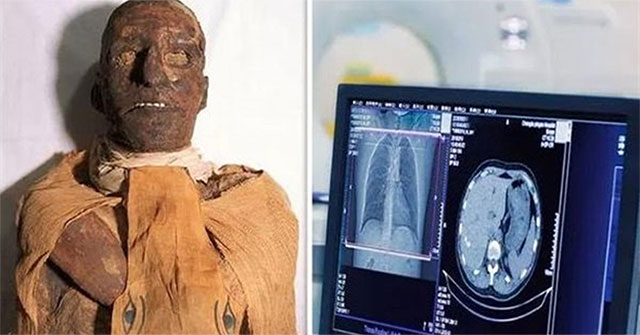
Archaeologists all claim that the pharaoh who ruled 3,000 years ago died of natural causes but was all wrong.
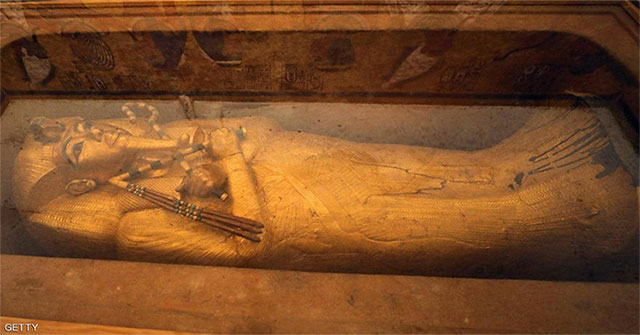
This is the largest and also the only coffin left in the tomb of the young king in Luxor, after two smaller ones were transferred to the Egyptian Museum in Cairo's capit…

According to Egyptian historians, a unique discovery in the pharaoh Unas tomb helps to better understand advanced civilization of this period.
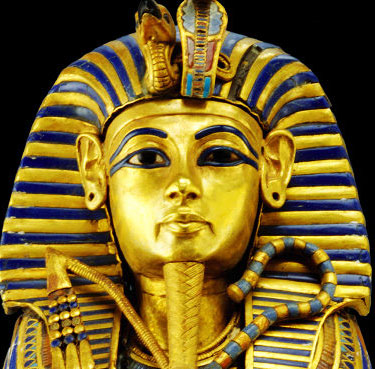
Up to 70% of British men and about 50% of Western European men share DNA with the ancient Egyptian Pharaoh Tutankhamun. In other words, they are descendants of this phar…

In 1973, for the first time, observing the image of Pharaohs, Dr. Vladimir Kovtun noticed that they were holding two cylindrical objects in their hands.