Archeology
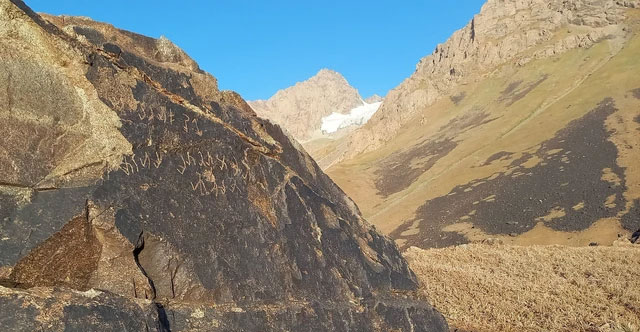
The mystery of the ancient writing of the Kushan Empire has finally been solved
Archaeologists have deciphered part of the writing system.
Browse ScienceInfo articles and explainers related to Empire.
236 published items.
Archaeologists have deciphered part of the writing system.
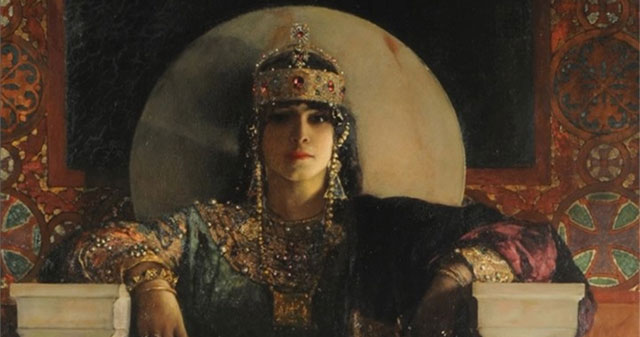
As women living in troubled times, they have proven that women are not just vases to be admired.
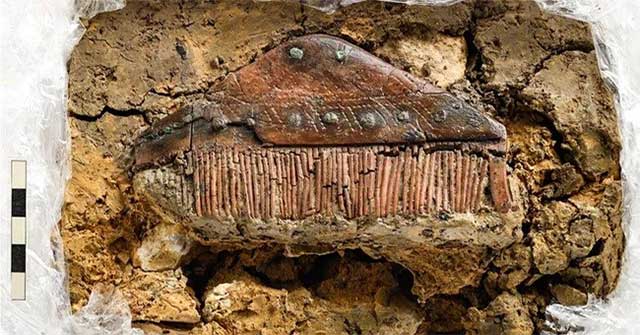
Archaeologists in Germany have discovered the 1,700-year-old grave of a Barbarian, also known as
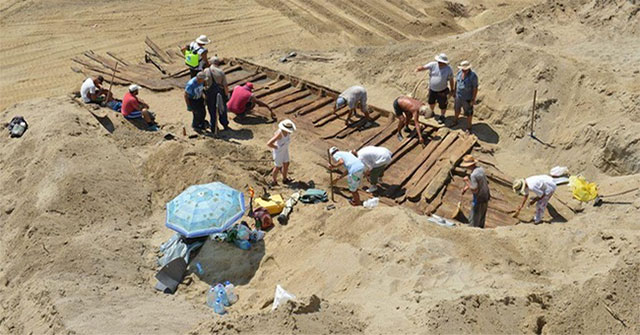
The ghost ship is 20m long, has a flat bottom like a barge and could be an important treasure revealing the famous Roman capital of Viminacium.

Christmas is known as the holiday celebrating the birth of Jesus, however not everyone knows which country Christmas originated from.
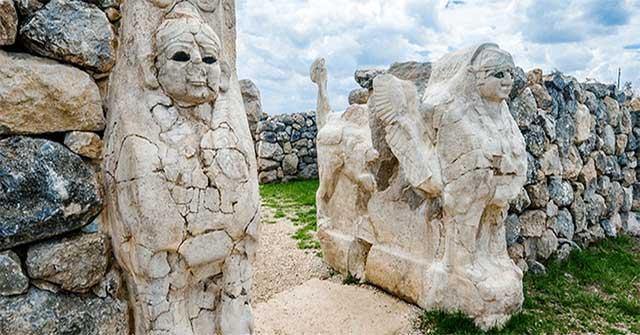
The Hittite Empire was very developed and prosperous, but in the last 3 years before its collapse, this civilization faced a problem that people in the world today are f…

The Sumerian civilization was the earliest civilization in human history. The location of the Sumerian civilization was Mesopotamia, between the Tigris and Euphrates riv…
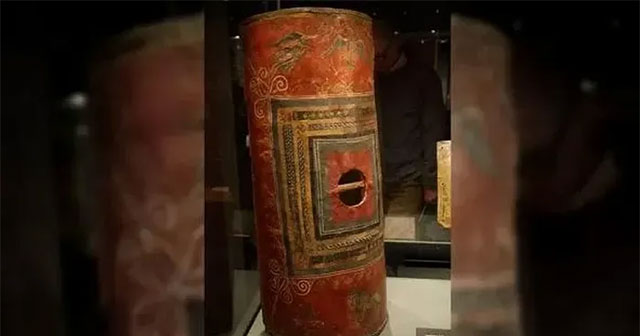
A shield made of wood and leather dating to around 250 AD is one of the few complete Roman artifacts ever found.
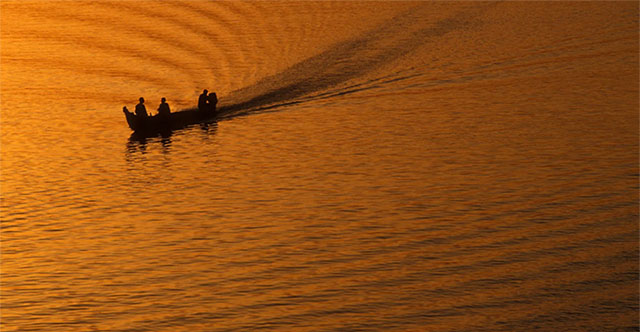
The mighty Tigris River is where humans first developed agriculture, writing and the wheel. But this river, once the lifeblood of the ancient world, is facing threats.

The ancient city of Machu Picchu is a wonderful architectural masterpiece, located on a mountainside at an altitude of more than 2,300m, like a city floating in the clou…
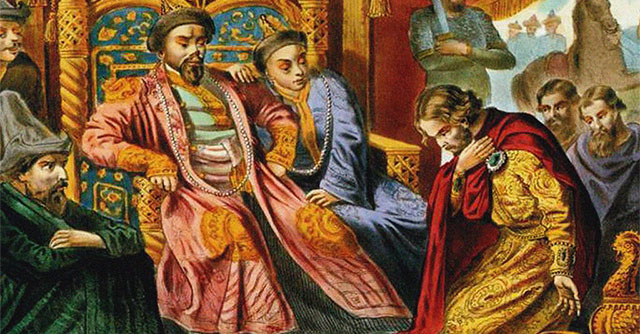
Many people believe that the Mongol Tatars invaded Russia when it was a single state. But that is wrong. Because the Russian state was only really formed in response to…

A metal detectorist in Germany has discovered a rare treasure trove of nearly 3,000 Roman coins. Experts have no idea how or why the huge hoard got there.
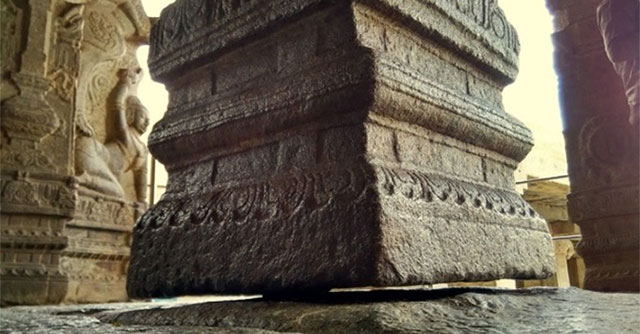
The nearly 5m high pillar hangs from the temple ceiling and does not touch the ground, giving researchers a headache about the ancients' construction methods and intenti…
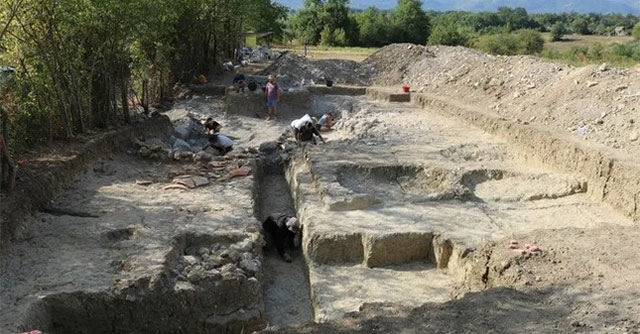
The ruins at Fregellae, about 90 km southeast of Rome, date from the siege and destruction of the city by Roman troops in 125 BC.
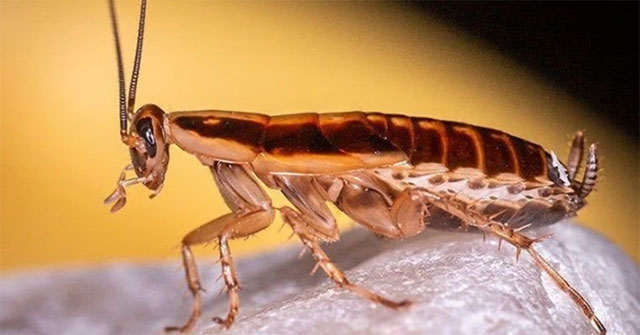
New research traces the evolution of German cockroaches throughout human history from the Islamic empires to present-day Europe.