Space science
Detected stunned the power of the supermassive black holes
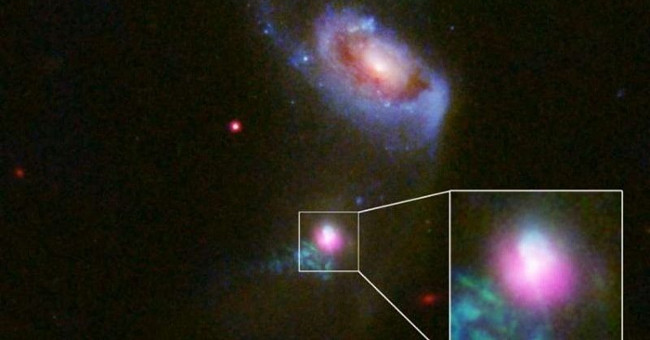
Super black holes and their behavior have long been on the list of mystical spatial phenomena that scientists want to decipher.
Browse ScienceInfo articles and explainers related to Energy.
2,772 published items.
Super black holes and their behavior have long been on the list of mystical spatial phenomena that scientists want to decipher.
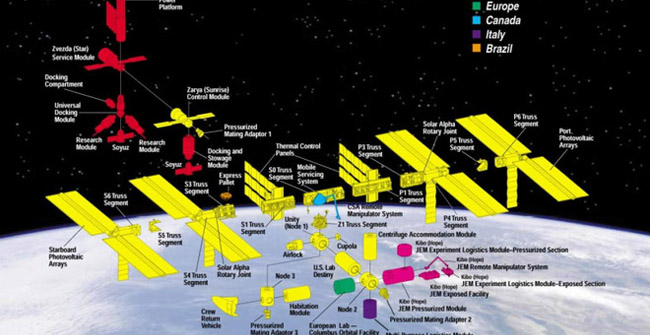
This project has been hatched by Russians for many years, but it is unknown if it will ever come true.
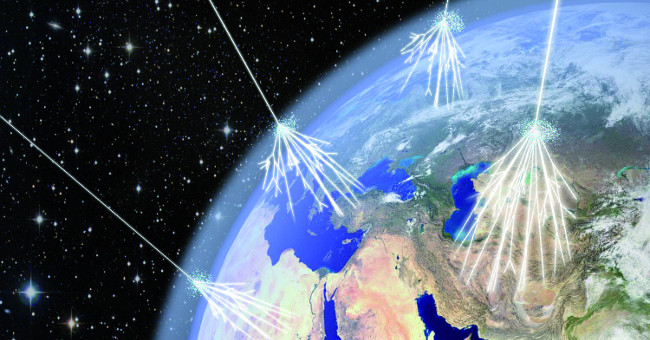
Cosmic rays are phenomena radiating out of a shower of high-energy particles, including X-ray rays, which continuously affect the Earth and are generated from the explos…
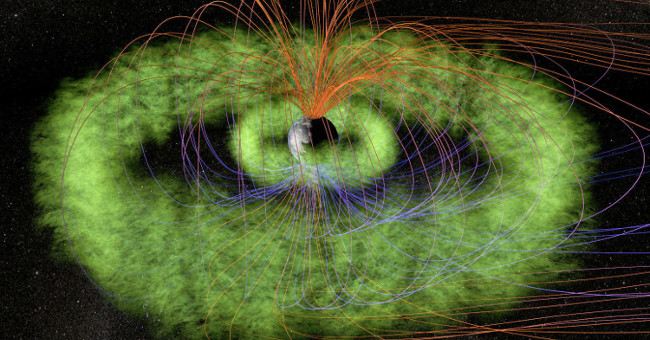
A space mystery that hurts scientists for nearly 60 years has been successfully decoded by students at Colorado Boulder University in the US.
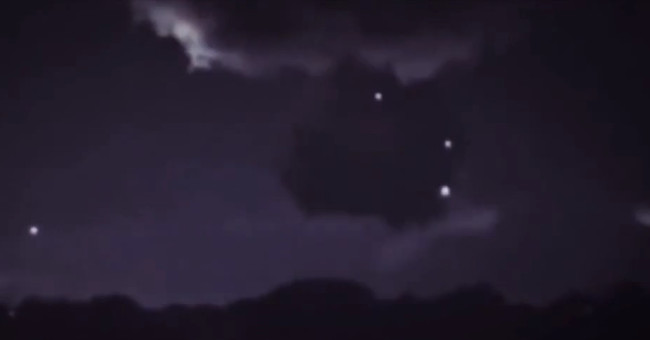
An amateur photographer uses time-lapse techniques to capture inexplicable bright spots that appear near the giant thundercloud in the sky of Sydney, Australia.
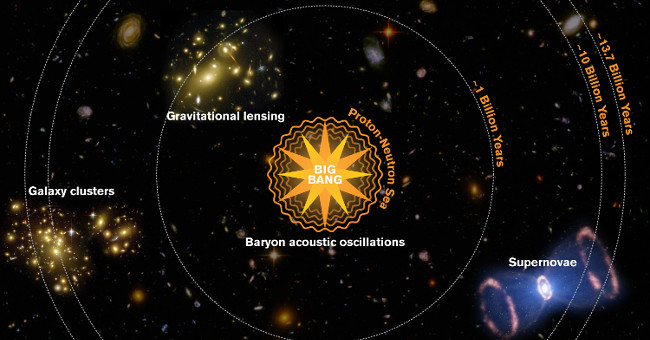
Dark matter was first discovered in 1933, when scientists believed that limiting to visible matter could not explain the movement of stars and galaxies.
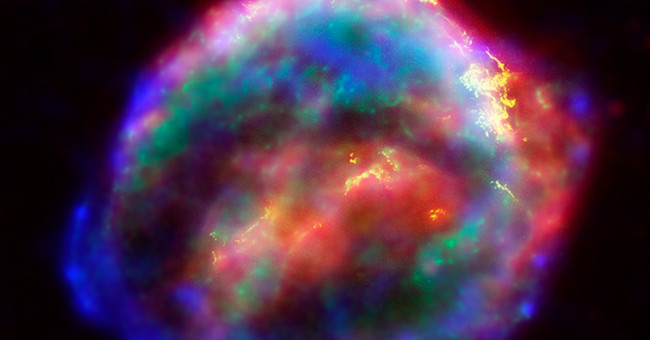
This new finding is expected to help scientists come closer to discovering light in invisible dark matter in the vast universe.
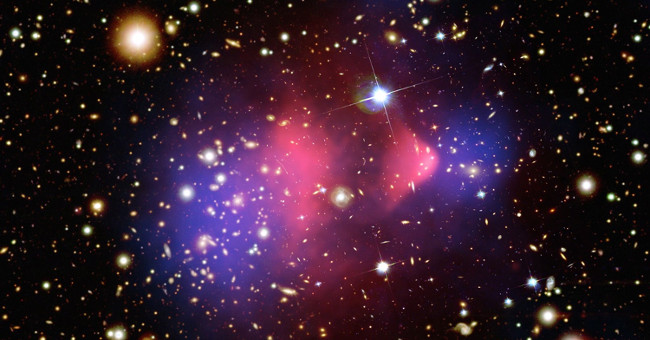
For almost a century, researchers have assumed that the universe contained more matter than was directly observed.
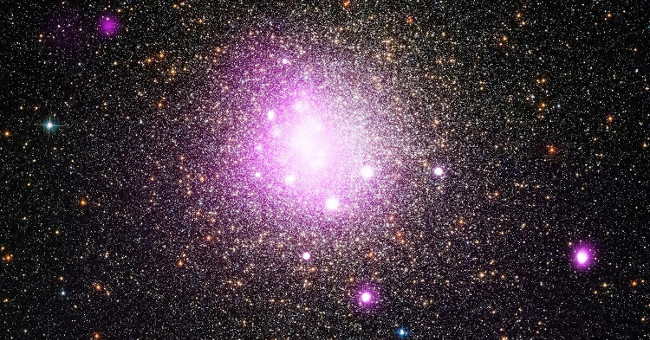
Black holes can tear up a white dwarf star, creating high-energy cosmic rays and neutrinos rushing towards Earth.
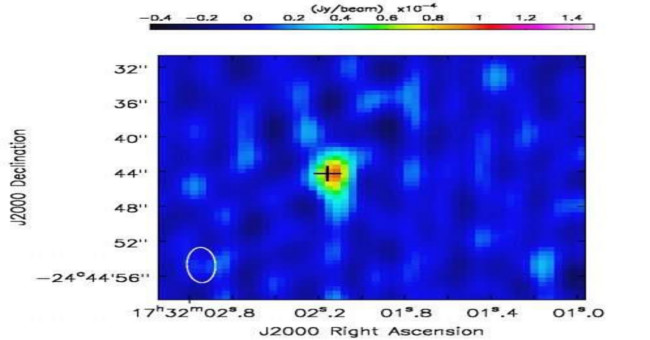
A strange source that emits gravitational waves in the universe receives the attention of the scientific community.
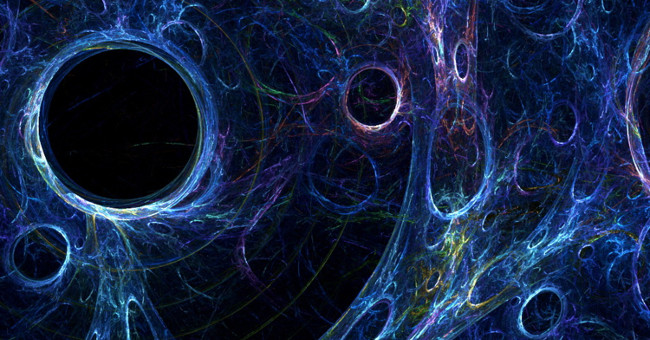
Scientists at the Johannes Gutenberg Mainz University (JGU), Germany, propose a new theory of the formation of dark matter right after the universe was born.

Before the Sun was fully enlarged and turned into a giant red star swallowing the Earth, human descendants may have migrated to other planets like Neptune.
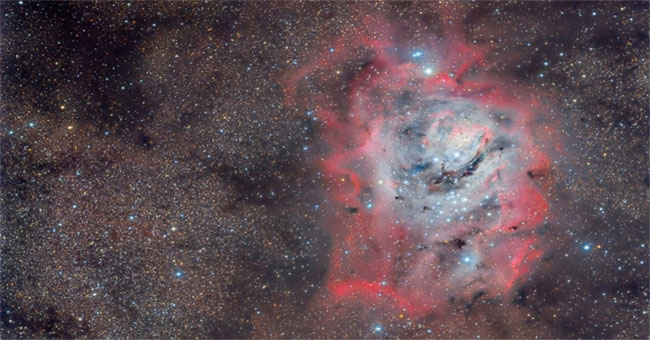
The universe is expanding 10% faster than previously anticipated, questioning whether Albert Einstein's relativity theory is accurate or not?
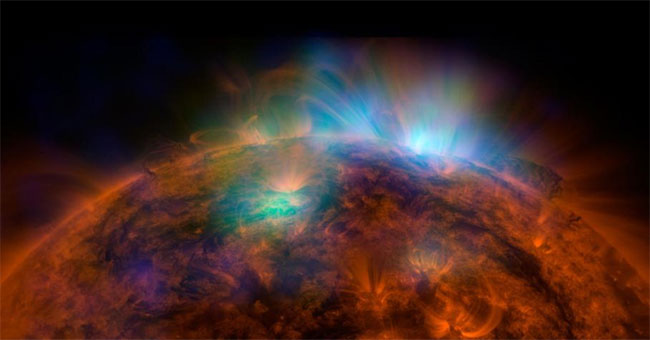
It takes 8 minutes for sunlight from the Sun to reach Earth, but scientists only need less time to solve this star's paradoxical paradox.