
Videos
The amount of nuclear warheads can destroy the Earth
If you detonate 100 nuclear warheads, the Earth will be severely devastated, with temperature and rainfall falling, leading to a food crisis.
Browse ScienceInfo articles and explainers related to Environment.
2,126 published items.
If you detonate 100 nuclear warheads, the Earth will be severely devastated, with temperature and rainfall falling, leading to a food crisis.
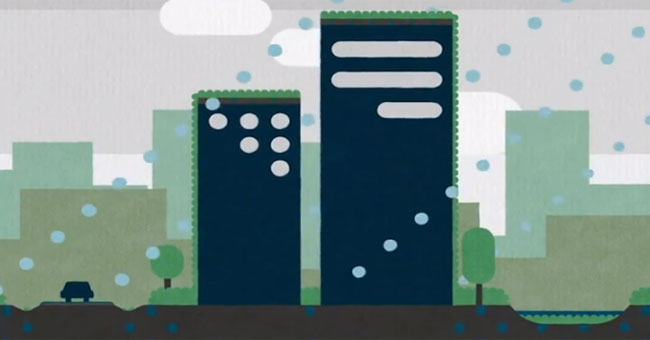
The sponge city can resist flooding and cool its surroundings in the summer by imitating nature.

The production of solar cells produces NF3 greenhouse gases that can cause climate change.
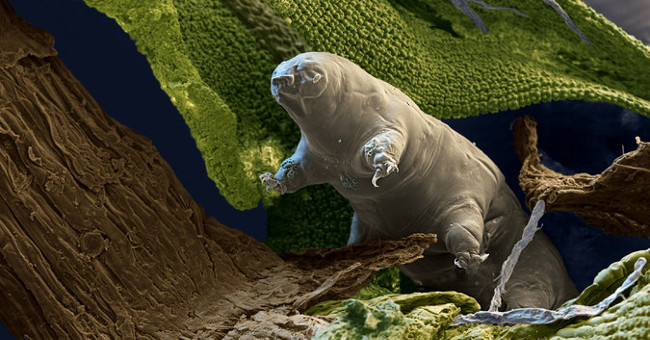
Through many experiments with different natural or artificial environments, scientists have concluded that
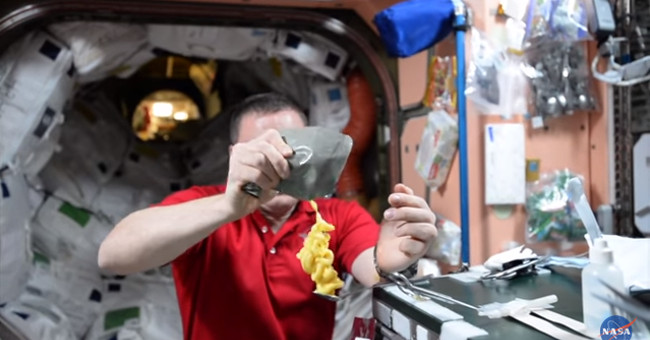
Eating in the universe will certainly not be like at home. And how do they - astronauts - do it?
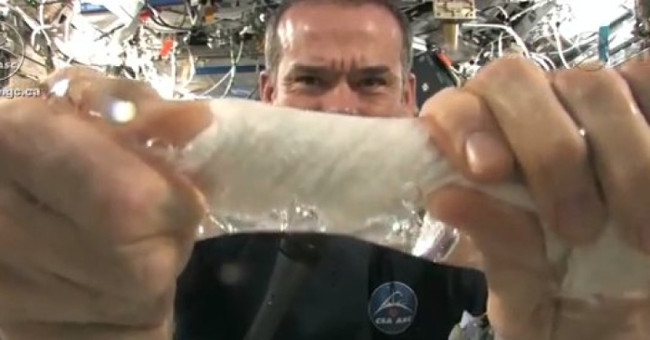
Although the astronaut squeezed hard, the water refused to leave the towel in a gravityless environment on the International Space Station (ISS).
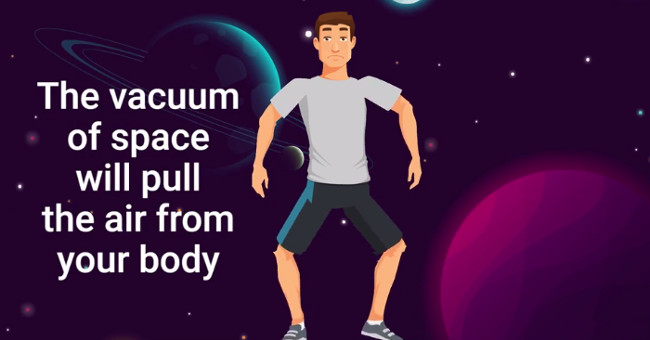
Without a protective astronaut outfit, humans would quickly lose consciousness, be frozen or dry, drifting millions of years in the universe.

Inkless printers designed by Dutch scientists will greatly reduce printing costs and do not adversely affect the environment.

The Forest Green Rovers club in the UK plans to build a new environment-friendly stadium, accommodating 5,000 spectators.
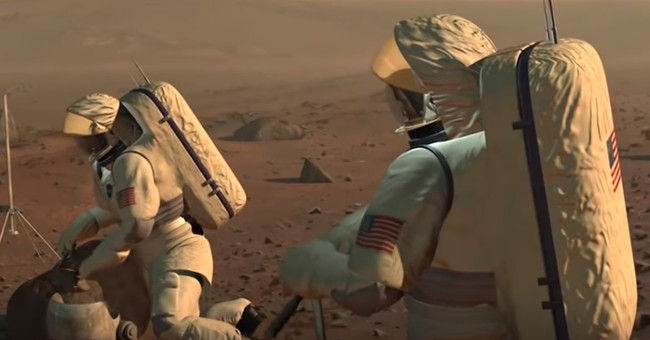
Ellen Stofan, NASA's senior scientist explains how the first astronauts set foot on Mars to breathe.
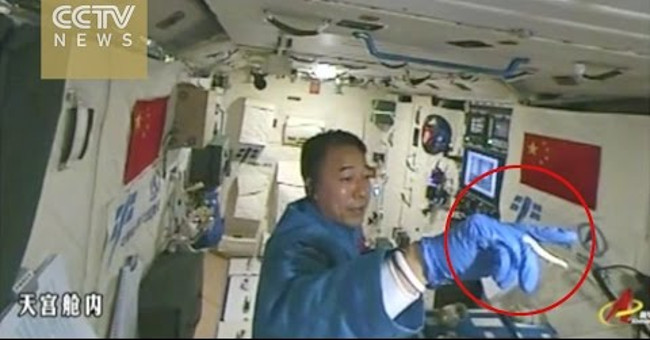
The silkworm was released into a gravityless environment trying to crawl on the Chinese astronaut's hand but was flung out soon after.

Same water, but these water marbles are invisible in the water, while ice is not, why?
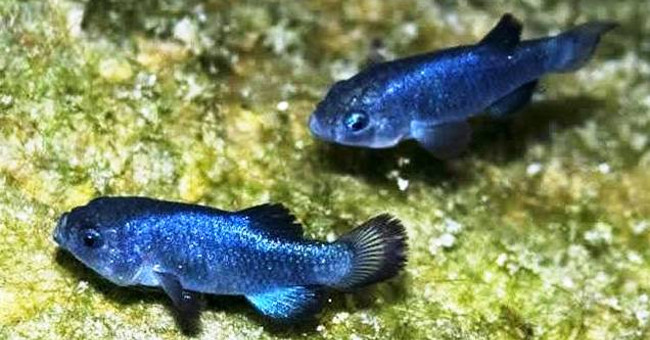
This small green fish is a unique species. They can live in harsh environments that are incompatible with fish.
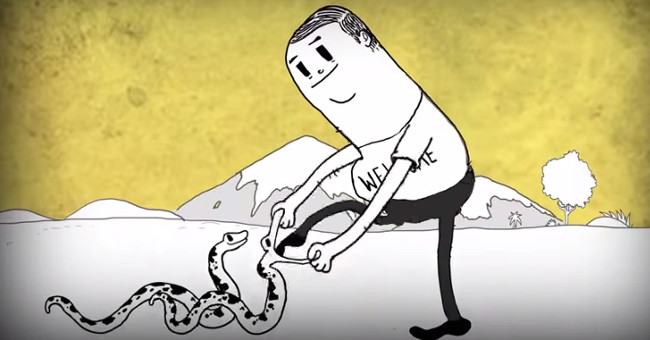
500,000 years ago, when humans began to appear, humans began to kill insects and animals to prove their strength.
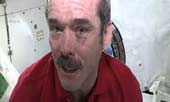
Astronaut Chris Hadfield simulated experiments showing the impact of micro gravity environment when crying.