
Archeology
How did the first man on Earth appear and where did he come from?
On Earth, the appearance of humans can be said to be an 'accident'. There were no humans on Earth in the first place. Humans only appeared after the mass extinction of d…
Browse ScienceInfo articles and explainers related to Evolution.
634 published items.
On Earth, the appearance of humans can be said to be an 'accident'. There were no humans on Earth in the first place. Humans only appeared after the mass extinction of d…
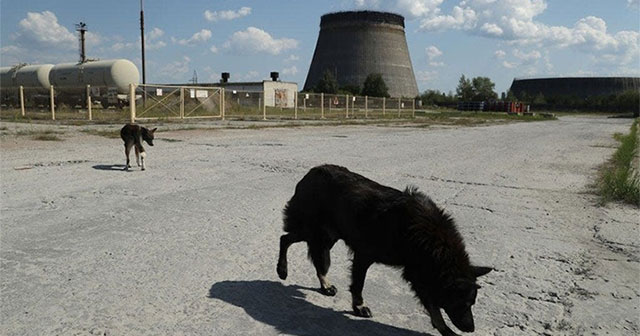
The 1986 Chernobyl nuclear disaster not only left serious consequences for the environment and human health but also became a

Bacteria that aid in producing more metabolic energy may have been key to the evolution of large brains.
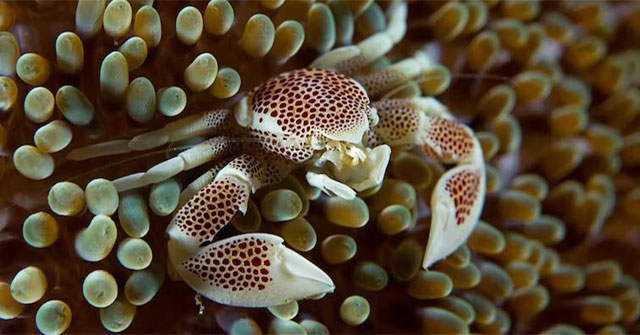
Charles Darwin believed that evolution had created 'endless forms most beautiful'. However, his theory of evolution and his feelings do not explain why nature continues…
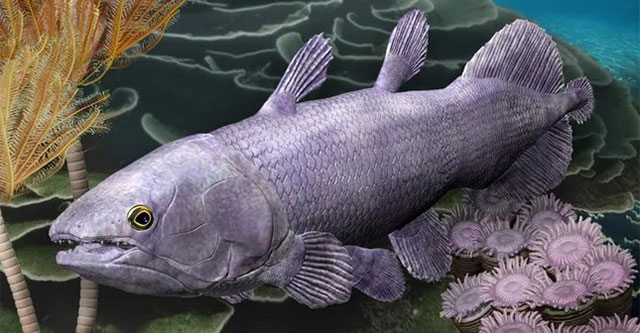
For the past 85 years, the coelacanth has been known as the

In recent years, archaeologists made a major discovery in China's Pingyao County: An entirely new species of ancient human, dubbed

About 147 million years ago, in the skies above Bavaria, ancient flying reptiles pterosaurs with a wingspan of about 2 meters.
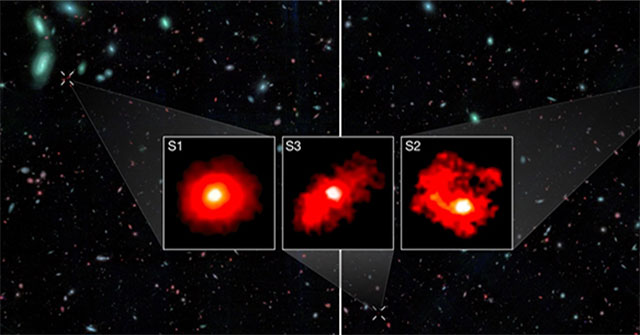
Familiar theories about the early universe may have to be rewritten because of
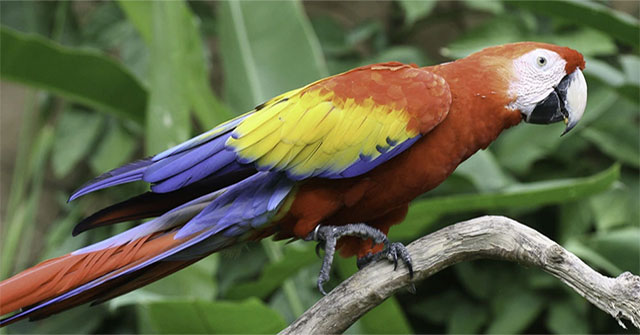
Parrots are an exception to the evolutionary rule, as they use a completely different method to create the ability to change feather color in the same individual.

Based on phylogenetic analysis of modern amphibian larvae, the fossils helped identify Notobatrachus tadpoles as very close to the group that includes all living frogs a…
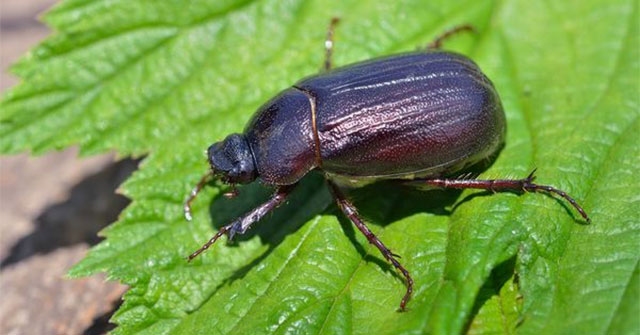
A tiny insect that survived the extinction event that killed the dinosaurs questions evolutionary theory.
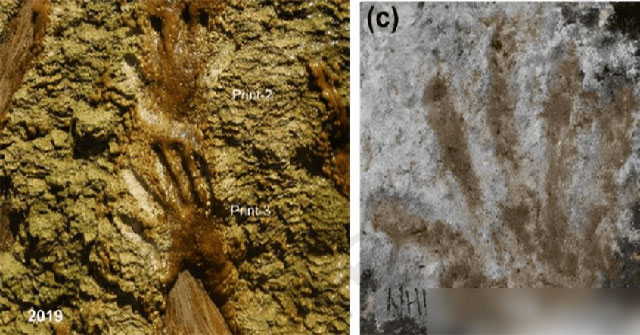
Handprints and footprints discovered on the Qinghai-Tibet Plateau date from 169,000 to 226,000 years ago.

A recent study from scientists has revealed surprising things about ants.
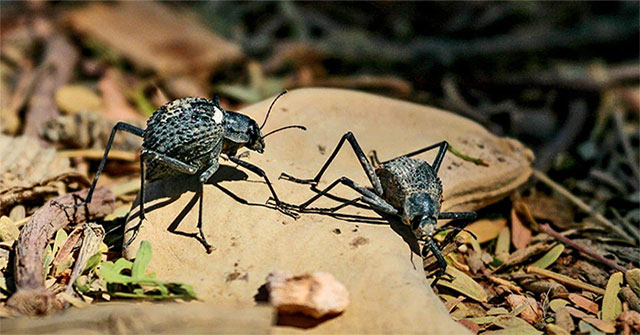
Darkling beetle, a tiny insect with great ecological importance.

This animal was included in the list of 10 strangest discoveries in the world by National Geographic in 2012.