Discover science
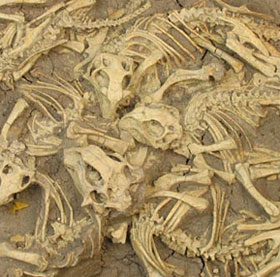
Understanding the formation of fossils in nature (2)
As in the previous section, we were able to know briefly about fossils. How fossils are created and some of the most basic fossils.
Browse ScienceInfo articles and explainers related to Evolutionary.
252 published items.
As in the previous section, we were able to know briefly about fossils. How fossils are created and some of the most basic fossils.
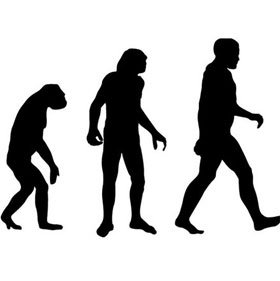
Prior to the widely accepted hypothesis that humans now originate from ancient gibbons.
The source of intelligence and mental illness is related to ancient genetic accidents.

The hands are 'wonderful gifts' of evolution for human beings. They can do everything, from needlework to logging. However, evolutionary biologists still do not really u…

According to evolutionary theory, women tend to choose masculine and athletic men as partners. However, according to new research by Dr. Fay Julal and colleagues at Sout…

Laura Betzig, an evolutionary anthropologist from Michigan, discovered that ancient kings such as Genghis Khan, Rameses the Great and the Yangdi Emperor of the 6th centu…
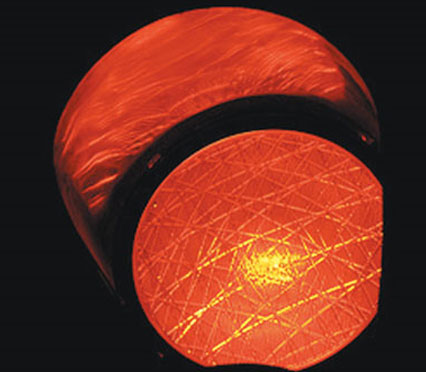
Red may represent danger, temperature and anger. One study also found that Olympic athletes wearing red uniforms were more successful in antagonistic matches, meaning th…

American scientists have recently discovered that women fear these animals because of the evolutionary decision.

Oren Hasson, a biologist on evolutionary theory, presents evidence that tears have emotional benefits and are capable of making interpersonal relationships durable. more…
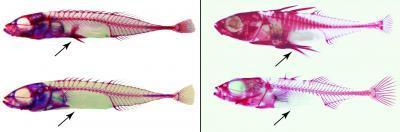
Research shows that when two species of sticklebacks evolved, lost pelvis and body protection, these changes were caused by different genes in each species.
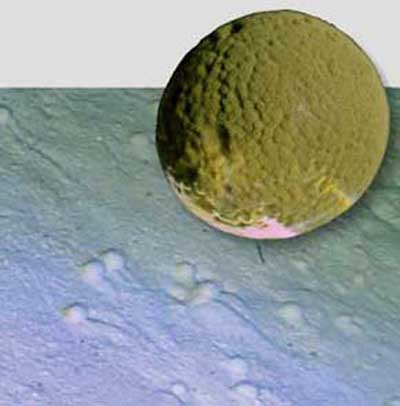
On the diving area of the Bahamas, Mikhail V. Matz of the University of Texas, Austin and some colleagues are looking for big, glowing eyes to adapt to the dark.
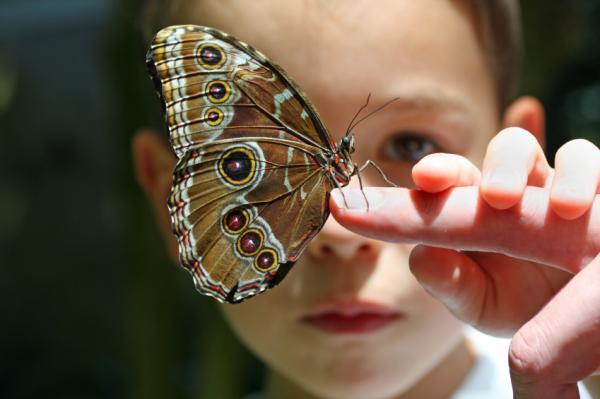
A group of scientists have studied the protein sequence on living organisms like highly adaptive machines, capable of regulating the organism's own evolution.

Researchers have figured out how the first evolutionary eyes work and how they guide the marine life to light.
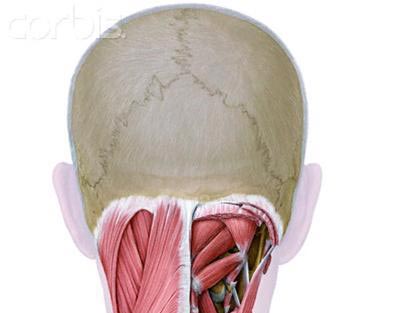
A new study conducted by British scientists based on the evolutionary roots of the brain has suggested that a big brain doesn't make you smarter.
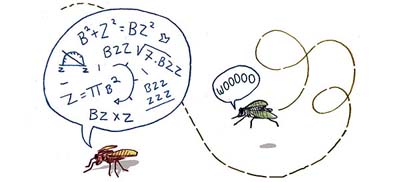
'Why are people so smart?' - this is a question that always appeals to scientists and evolutionary biologist Tadeusz Kawecki of the University of Friborg.