
Space science
How Are Exoplanets Detected?
Astronomers detect exoplanets through transits, stellar wobble, direct imaging, microlensing, astrometry and timing signals, then use follow-up observations to rule out…
Browse ScienceInfo articles and explainers related to Exoplanet.
124 published items.
Astronomers detect exoplanets through transits, stellar wobble, direct imaging, microlensing, astrometry and timing signals, then use follow-up observations to rule out…
Exoplanet atmospheres can reveal molecules, temperatures, clouds, circulation and clues to a planet’s formation, climate and possible habitability by imprinting chemical…
Proxima Centauri b is the nearest confirmed exoplanet to Earth known today, orbiting Proxima Centauri a little more than four light-years from our solar system.
A potentially habitable exoplanet is a world where known conditions could allow environments suitable for life as we understand it; being in a star’s habitable zone is o…
Exoplanets are planets beyond our solar system. They range from small rocky worlds to giant planets and can orbit stars very different from the Sun.
Astronomers usually detect exoplanets indirectly, by measuring how a planet changes the light, motion, or gravitational behavior of its host star.
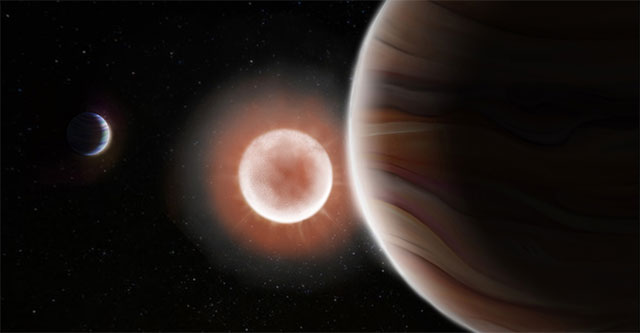
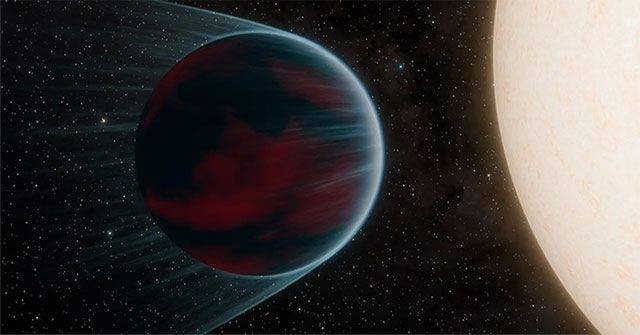
TOI-3261b is located in the constellation Hydrus and belongs to a class of planets that were thought impossible to form.

An upcoming NASA telescope could discover more than 400 lonely Earth-sized planets wandering the Milky Way.
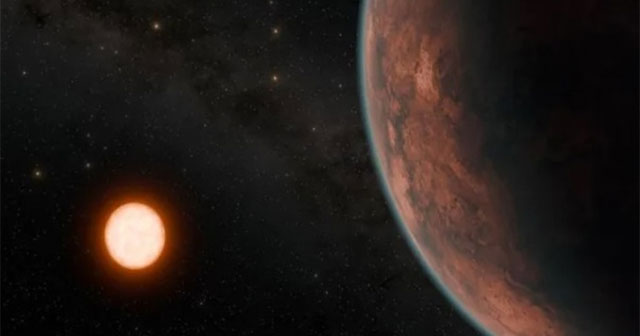
Scientists have discovered an exoplanet called Gliese 12 b in the constellation Pisces that has conditions suitable for life.
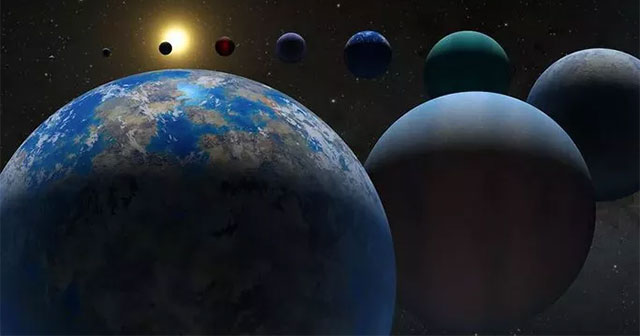
An Earth twice as large is impossible, because astronomers have just found a dead planet desert.
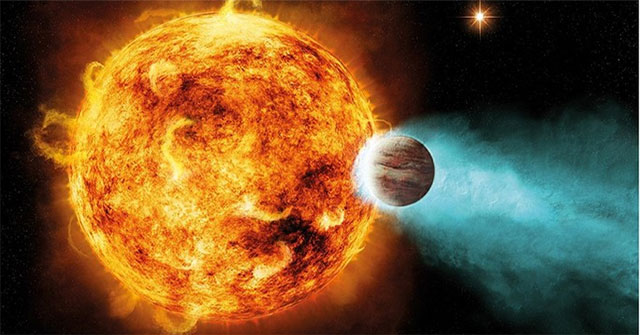
A newly discovered exoplanet has revealed completely absurd properties, leaving scientists baffled and contemplating terrifying scenarios about its past.
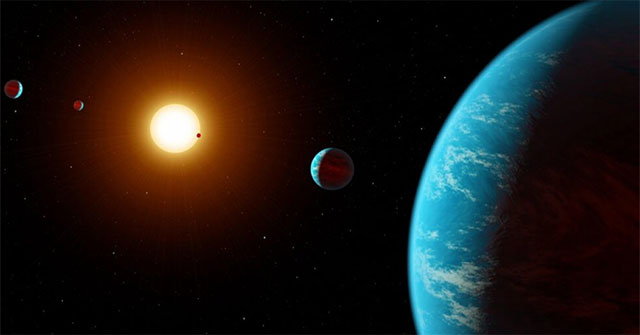
Around an orange dwarf star just 130 light years from Earth, scientists have discovered a type of planet that has never been seen before and is difficult to explain.
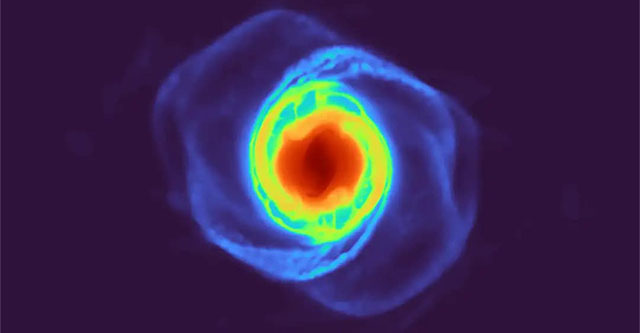
An exoplanet the size of Neptune and denser than steel has been discovered by an international team of astronomers.
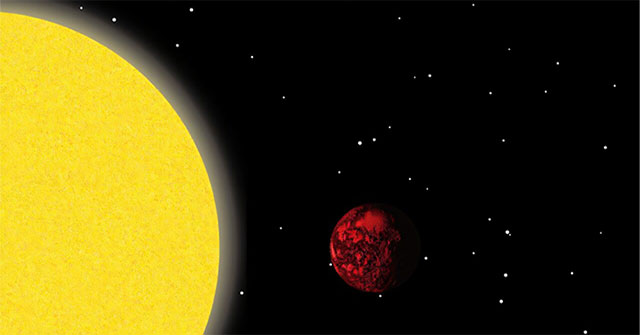
A lead-heavy exoplanet, possibly the leftover core of a giant sphere that flew too close to its sun, has just been discovered.