Space science
This is why the mission to explore the universe may have to stop
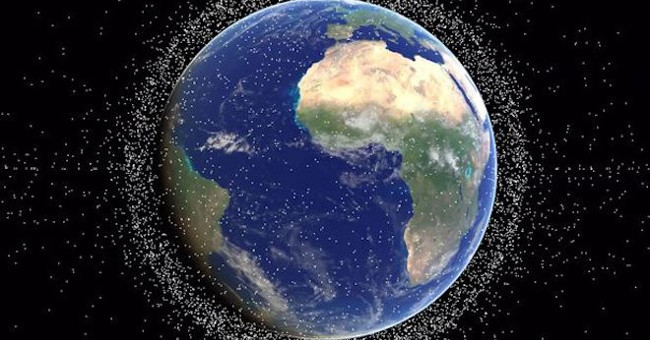
According to the Mirror, scientists estimate that there are about 600,000 pieces of space junk flying around the Earth.
Browse ScienceInfo articles and explainers related to Explore.
823 published items.
According to the Mirror, scientists estimate that there are about 600,000 pieces of space junk flying around the Earth.
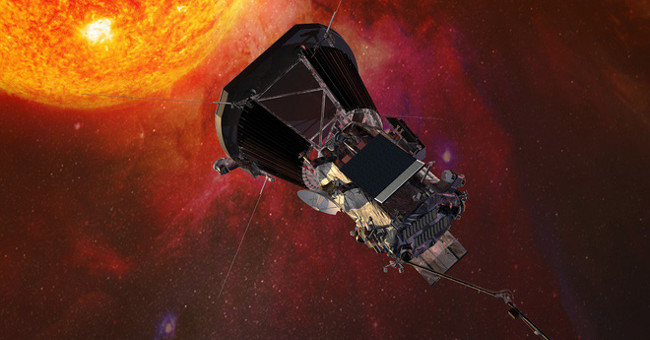
By the end of 2018, NASA's Parker Solar Exploration was on its way to explore yet any ship in human history of the Universe could have done so.
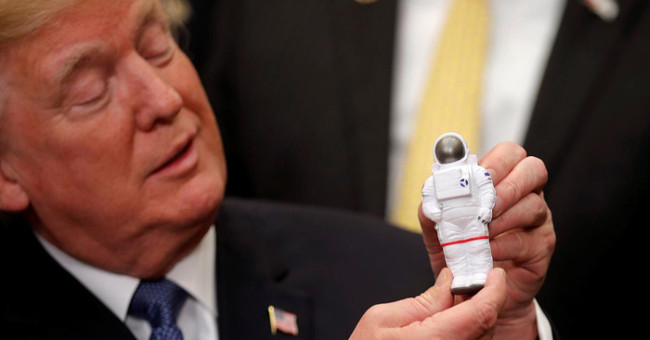
Unwilling to be left behind by China's ambition to conquer the moon, the US president signed a decree to deploy the mission to bring Americans back to explore the univer…
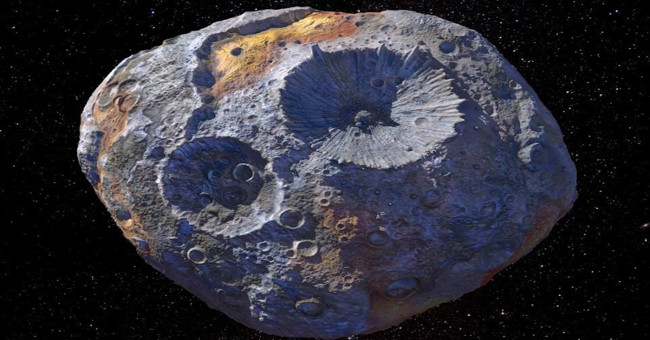
NASA is expected to launch a spacecraft to explore this asteroid surface in 2022.
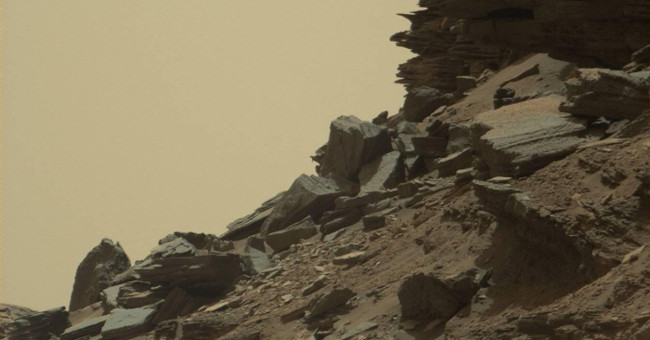
It is expected that this unmanned self-propelled vessel will be launched on Mars in July and August 2020.
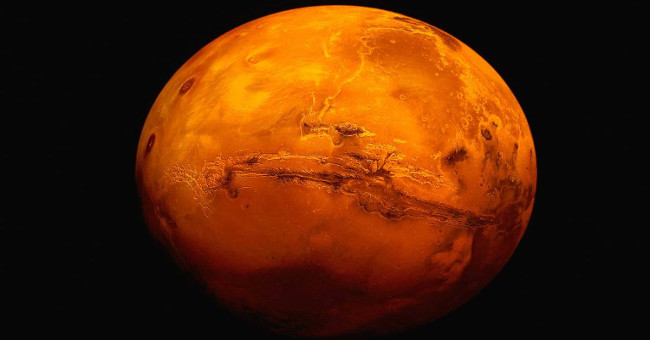
Despite bringing dozens of spacecraft to explore Mars, many mysteries in this red planet have yet to be discovered.
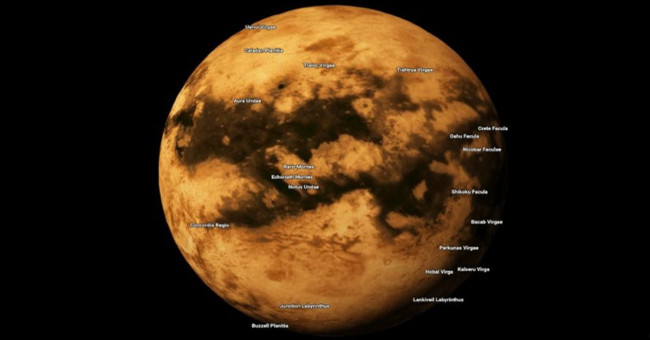
Not only that, the world's leading technology company has added 12 other planets in the Solar System to users to explore freely.
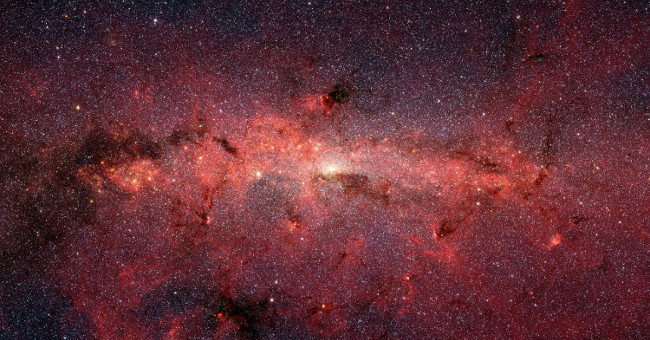
In this article, we will explore how the Milky Way and Galaxy, Galaxy and Galaxy are different. Please consult with us.
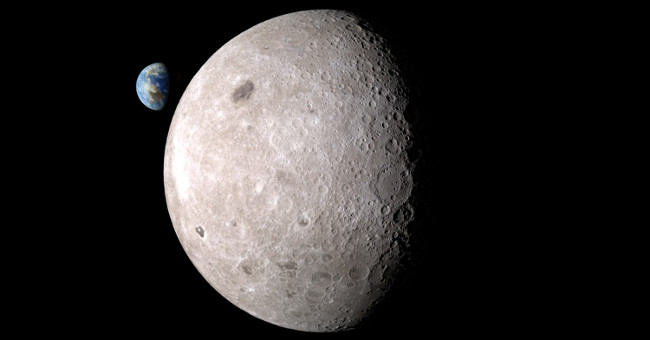
The agreement is expected to be signed in October and will bring great benefits to both countries, especially in future spacecraft missions to the Moon.
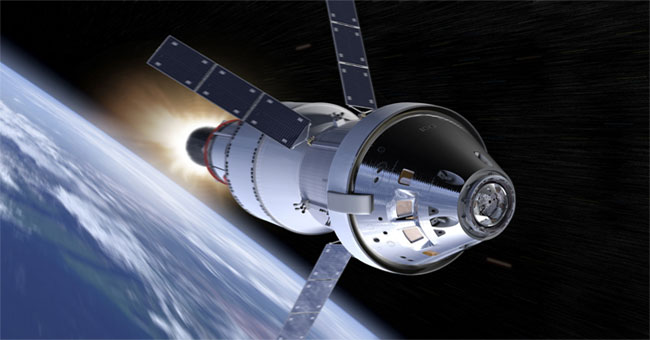
Only this year, scientists have made important strides in the creation of the first artificial uterus, human embryo correction in the US ...
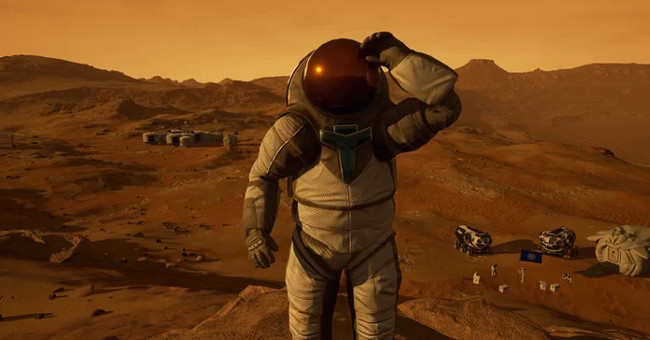
The most authentic experience of setting history on Mars in 2030 is clearly reflected through Fusion's latest virtual reality product.
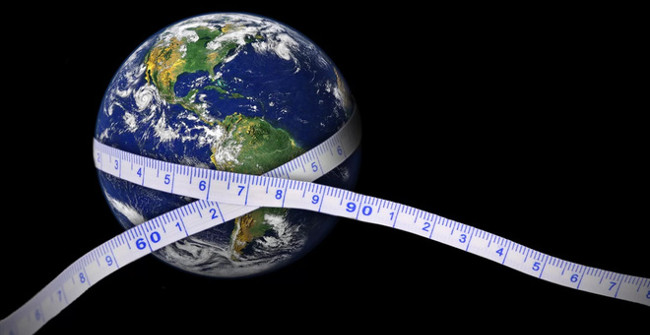
Unlike what you think, this idle question is the vision of human limitations in exploring the universe.
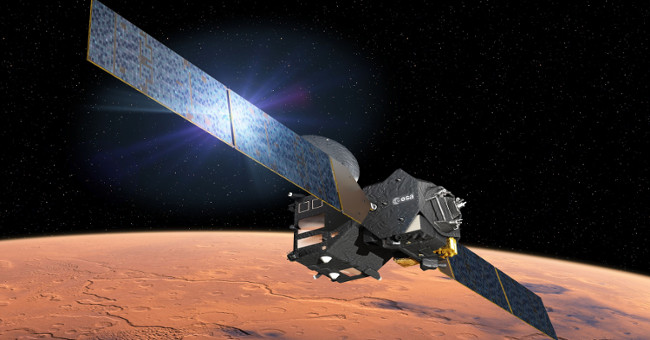
Over the past 50 years, some studies of the journey to explore Mars have yielded unexpected results but there are still things that remain unknown.
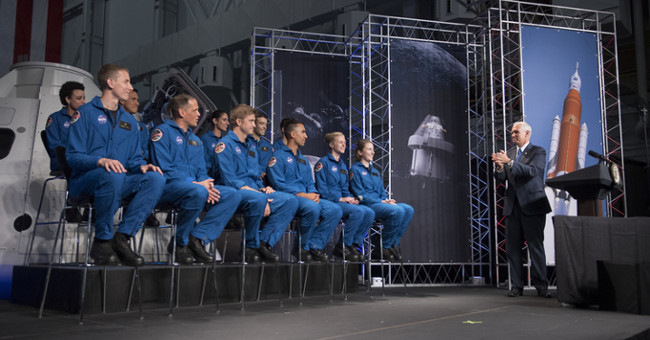
On June 7, NASA announced a group of 12 astronauts selected for the mission to explore Mars as well as deeper spaces in the universe over the next few decades.
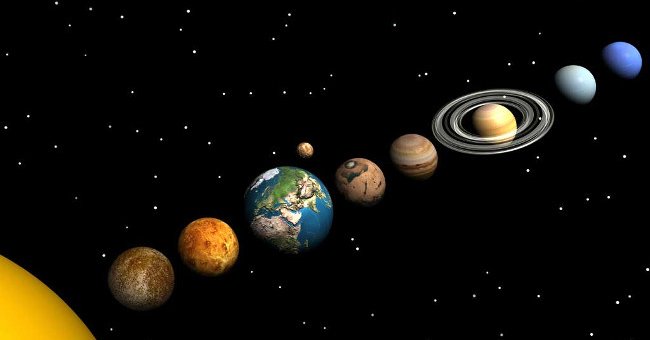
If crafting a spacecraft moving at light speed of 1,080 million km / h, humans could explore distant planets in the solar system in just minutes.