Space science
The most impressive findings about the universe in 2012 (1)
The astronomical industry welcomed the impressive discoveries in 2012, which changed the way people knew about the universe, and pushed some devices to the critical leve…
Browse ScienceInfo articles and explainers related to Explosion.
711 published items.
The astronomical industry welcomed the impressive discoveries in 2012, which changed the way people knew about the universe, and pushed some devices to the critical leve…
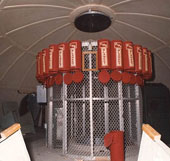
In the program to bring people to the moon more than 40 years ago, the US Aeronautics and Space Agency (NASA) designed a shelter to protect astronauts, preventing Saturn…
Astronomers have captured light from the first stars of the universe. Shortly after the Big Bang event about 13.7 billion years ago, the universe cooled down to allow at…
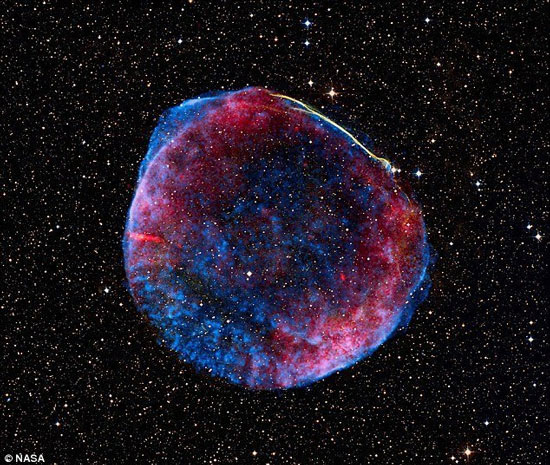
In 1006, the whole world stalled and stared at the sky when a giant star 7,000 light-years away from Earth,
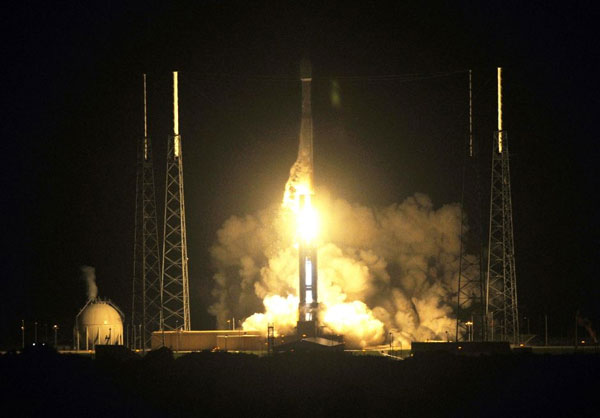
On August 30, from Cape Canavaral Air Base in Florida, the US Space Agency launched two satellites into orbit to probe the radiation belts and protect the Earth against…
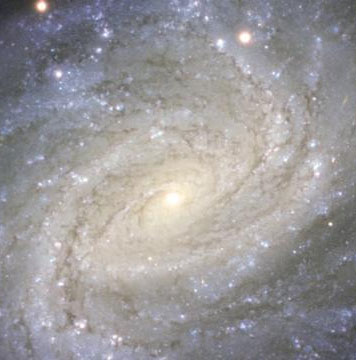
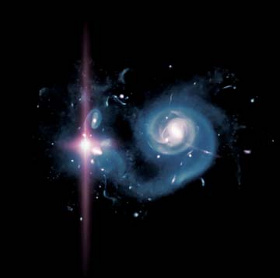
The galaxy, called NGC 1187, was discovered in 1784 by the English astronomer William Herschel. Far from being calm and unchanging, it has
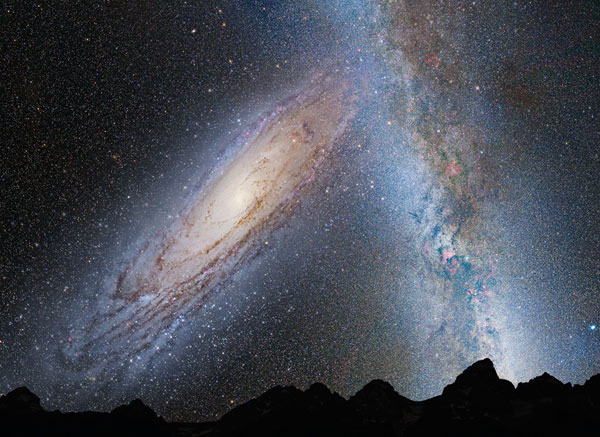
No one can accurately predict the future, let alone the time of the earth's destruction. In exterminating hypotheses that are logically deduced under the eyes of astrono…
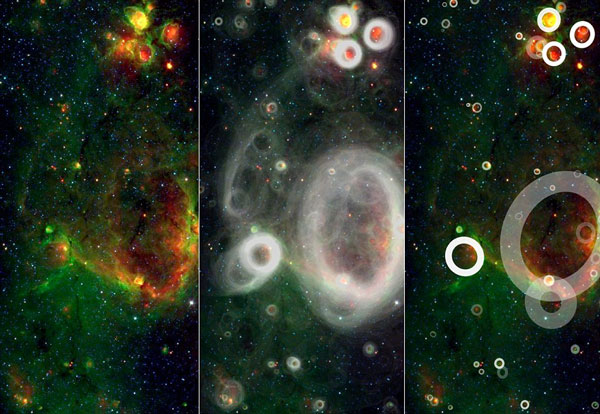
The US Aerospace Agency (NASA) has published impressive images of the universe's first fireworks display. Astronomers say these pictures show brilliant light from the Sp…

On April 26, US scientists announced that small meteorite fragments found in the northern state of California were part of a giant fireball that exploded over the weeken…
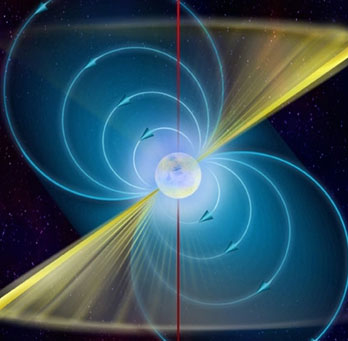
Dark stars - super-condensed neutron stars - also known as the most special Physics labs in the universe. These super-celestial studies have been awarded two Nobel prize…
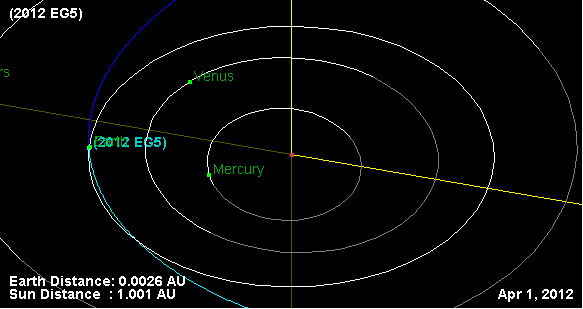
On Sunday (1/4), the 2012 EG5 meteorite with a diameter of 46m flew over Earth at a distance of 230,000km - closer than the distance between the Moon and Earth, but does…
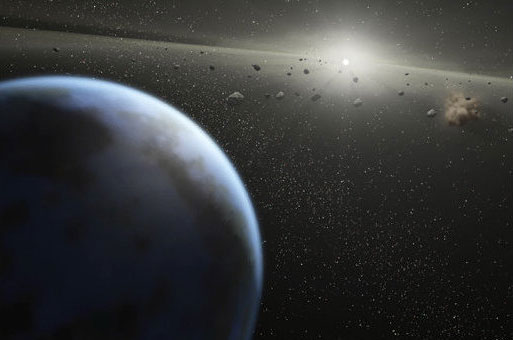
An asteroid of the same type as the object that caused the Tunguska explosion in 1908 will fly over Earth in 2013.
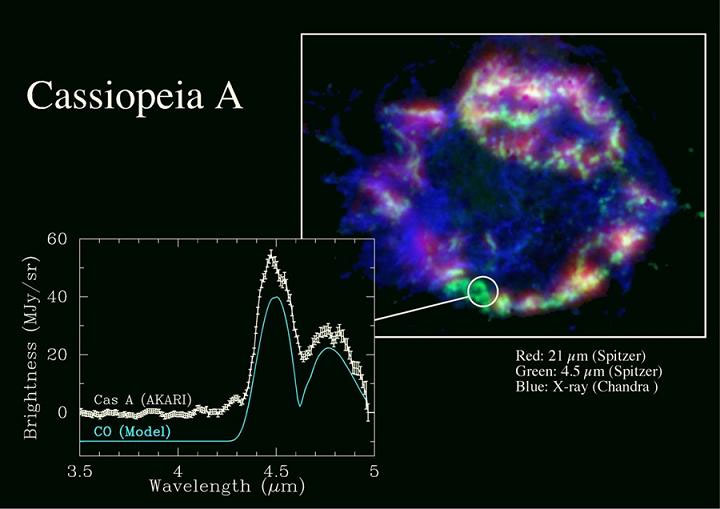
The group of scientists using the Japanese AKARI Infrared Observatory of Japan found the carbon monoxide (CO) molecule in the hot air 10 million degrees Celsius emitted…
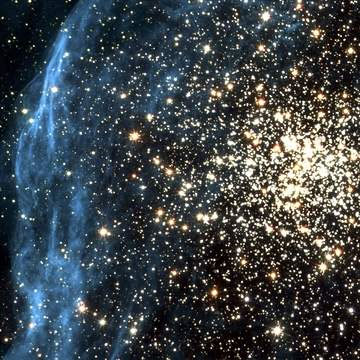
Our Milky Way series is surrounded by nearly 200 dense constellations, each with about one million stars on average. At the age of 13 billion years, these spherical cons…
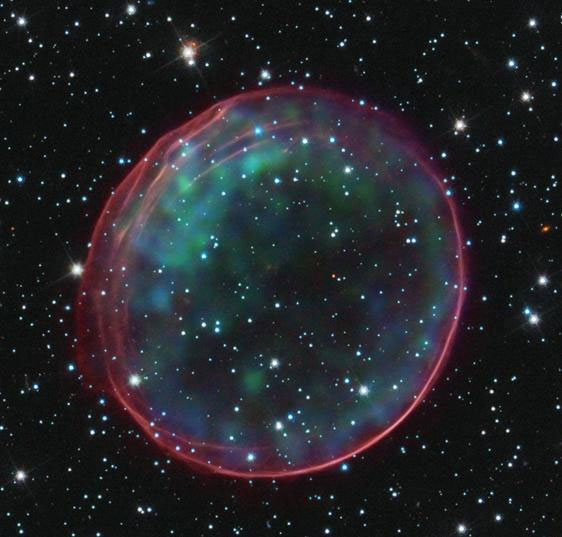
With the Hubble Space Telescope, astronomers have lifted the long-standing mysterious veil of a star form, or its predecessor, to cause a supernova explosion in a galaxy…