Archeology
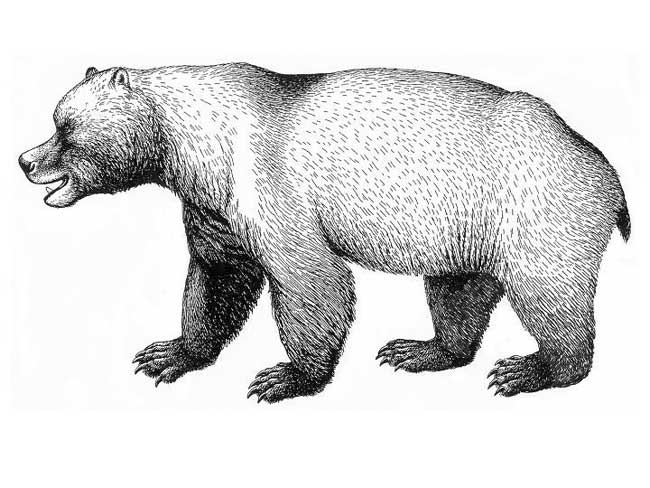
Mysterious events of cave bears extinction
The bear that once lived in a giant cave once once dominated Europe was the first of the great extinct mammals.
Browse ScienceInfo articles and explainers related to Extinct.
630 published items.
The bear that once lived in a giant cave once once dominated Europe was the first of the great extinct mammals.

Scientists have discovered that dinosaurs have stopped evolving 50 million years before being extinct. This animal has taken advantage of the habitat change of its last…
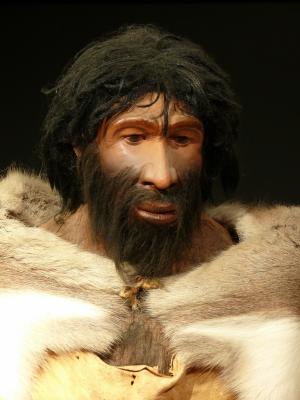
Research conducted by British and American scientists disputed the hypothesis that the Neanderthals were extinct because they were less intelligent than our ancestors.
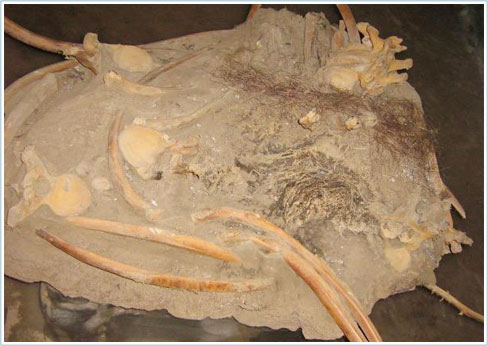
A major genetic study of the recently extinct woolly mammoth reveals that they are not a homogenous large group and do not have the same high genetic diversity as previo…

With more than 6.6 billion people living on the planet today, who knows that 70,000 years ago, harsh droughts continued to dramatically depress human populations and pus…
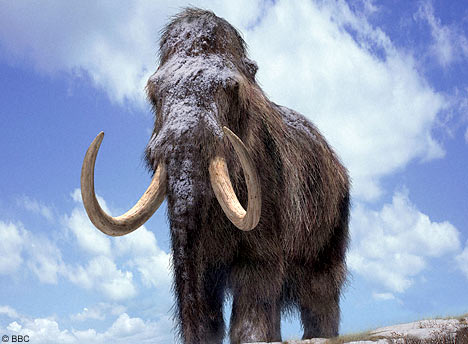
Throughout the history of the earth, many species appear and disappear, replaced by new species capable of coping with a better life challenge. But some species survive…
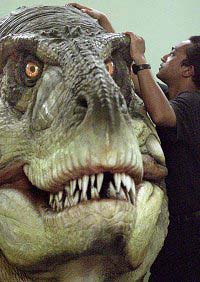
When studying the genome size of 31 extinct dinosaurs and birds, the researchers found that predators like T-rex have relatively small genomes.

How to trace the origin of all 4,500 completely new and complete Earth mammal species called 'the tree of life charts' shows that these mammals have not been released. g…
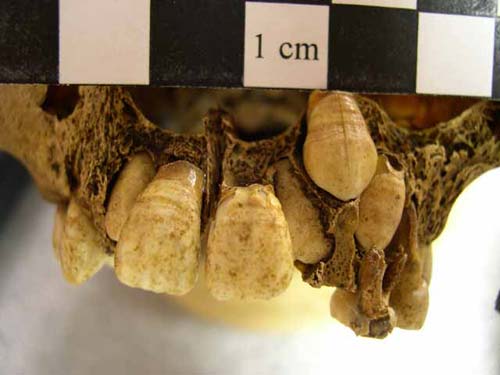
From isolating the DNA sequence of the ancient Neanderthal, recreating the blood vessels of a dinosaur species, optimists argue that, at this rate, scientists will recre…
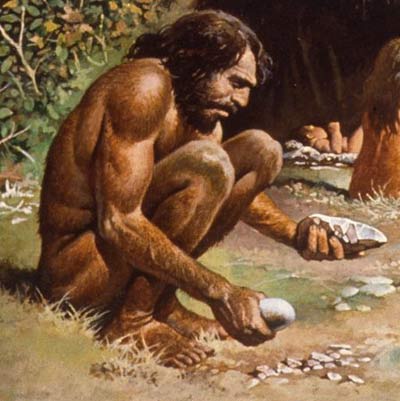
According to Dr. Paul Pettitt, Oxford University (UK) and colleagues, 20,000 - 30,000 years ago, Neanderthals and ancestors of modern people lived in continental Europe.
Kangaroos and koalas (large sized hippopotamus) in prehistoric times are not destroyed by humans but rather by changing weather and depleting food sources, scientists
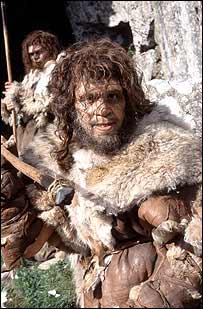
Neandertal people have lived many thousands of years longer than scientists thought so far. It is confirmed by a study published in the journal Nature. This study proves…

The nephew (in the local language) has trapped the expedition of retired Florida State University expert, David Redfield, in May. The picture shows that this gentle crea…

A group of Dutch paleontologists discovered the lower half of a dodo, a long-extinct flying bird. Among the remnants include a hip bone attached to 4 pieces of leg bone.
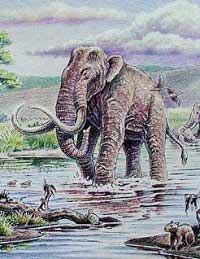
Mammoths and other species may have become extinct more than 10,000 years ago because of climate mutations, not because of excessive hunting by humans, a new study says.