
Discover science
The 'killer' caused mass extinction 250 million years ago
Canadian scientists have discovered one of the perpetrators of mass extinction on Earth 250 million years ago is mercury.
Browse ScienceInfo articles and explainers related to Extinction.
619 published items.
Canadian scientists have discovered one of the perpetrators of mass extinction on Earth 250 million years ago is mercury.
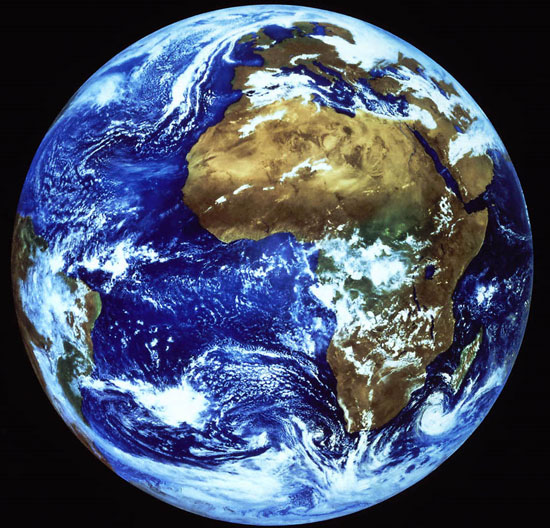
If it ends the destruction of nature, people can be at ease that the earth mother can still bear humanity.

Age and death are not what people want to think about. However, it is the aging process that helps us survive and evolve.
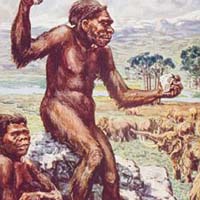
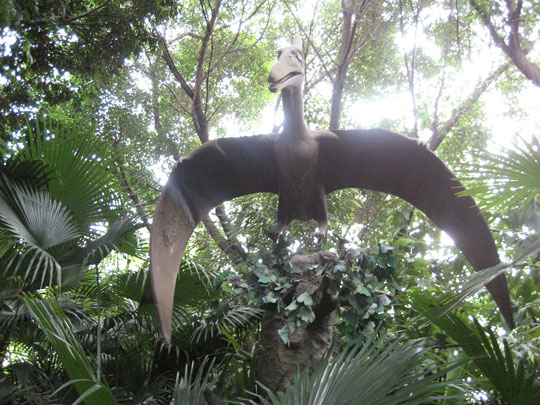
Scientists have identified the reason why a large dinosaur-sized giraffe is capable of flying across the ocean.
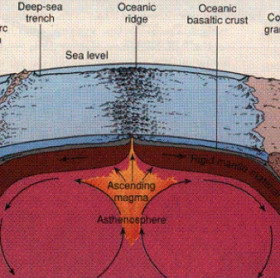
Science developed, achieved unexpected achievements, but until now, scientists still succumb to many mysterious phenomena.
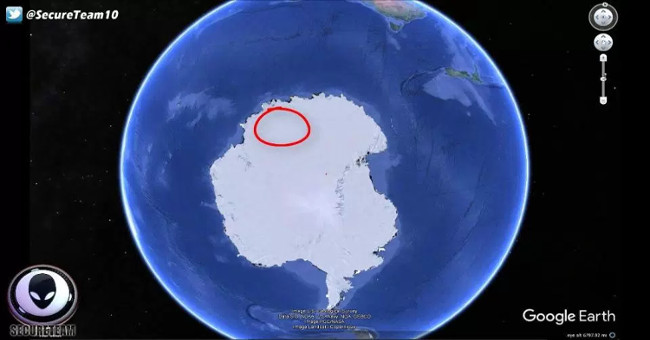
Scientists believe that a mysterious object under thick ice in Antarctica changes people's understanding of history.
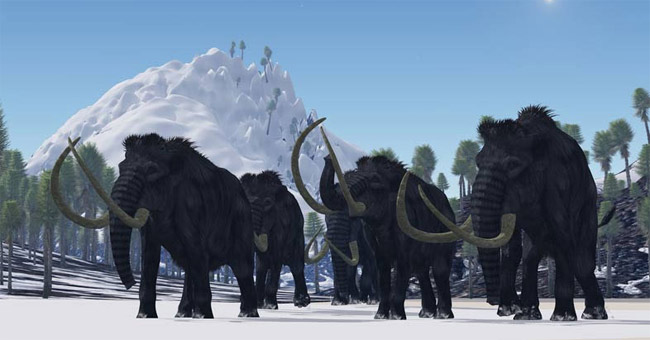
Rocky grasshoppers, Megalodon sharks, curly-haired mammoths ... their extinction remains a mystery that challenges modern science.
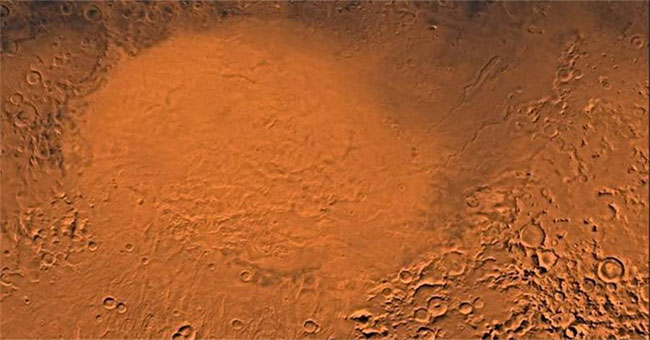
The famous physicist, Professor Michio Kaku believes that Mars is one of humankind's greatest hopes of being at risk of extinction.
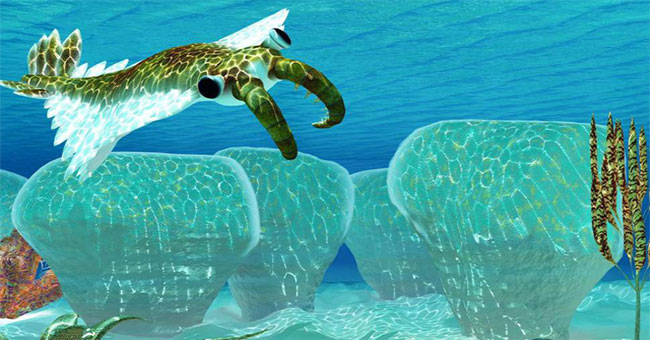
About 500 million years ago, these creatures began digging into the seabed for shelter, resulting in fossil cave traces today.
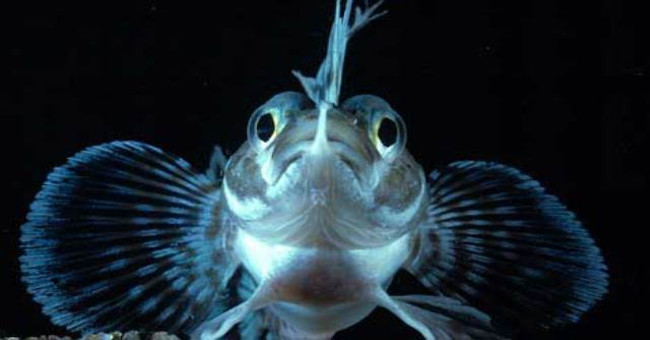
Thanks to anticoagulant glycoprotein in the body, notothenioid fish can survive the global freezing phenomenon, causing a large number of organisms to become extinct 42…
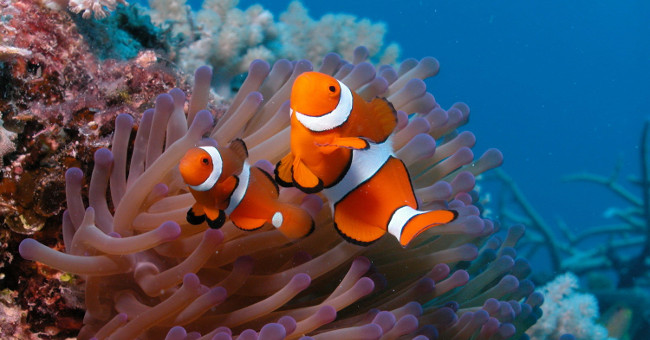
Clownfish, the main character in the cult animated movie Finding Nemo is in danger of extinction completely due to seawater warming, causing anemones and their habitats…

The ocean is cold due to climate change, leading to the extinction of many animals, including the largest shark.
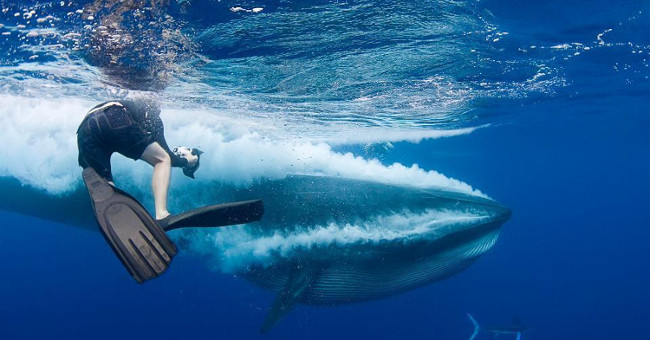
Bryde whale is one of the largest ocean creatures. Adult Bryde whales can be up to 16.5m long, weigh up to 40 tons. However, they are also one of the least known species…
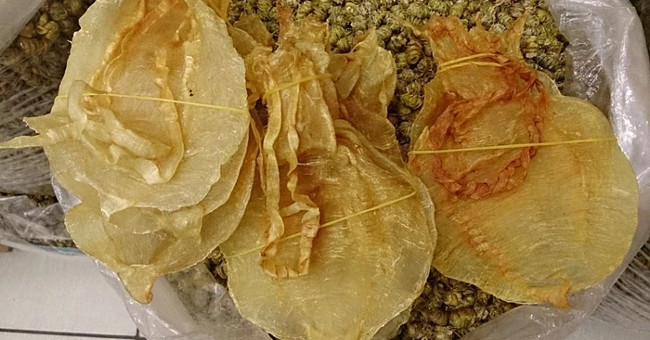
Great demand of the Chinese elite for bubble totoaba and dolphins and dry and squash bubbles pushed these two species to the brink of extinction.