Space science
Discover mysterious radio waves in the Milky Way
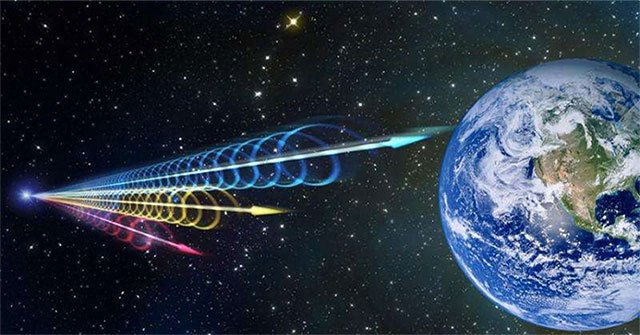
Radio emission (FRB), one of the greatest mysteries in the field of astronomy worldwide has been discovered in our galaxy system.
Browse ScienceInfo articles and explainers related to Extraterrestrial.
458 published items.
Radio emission (FRB), one of the greatest mysteries in the field of astronomy worldwide has been discovered in our galaxy system.

One of the open questions about cosmic biology is whether there is life somewhere in the solar system?
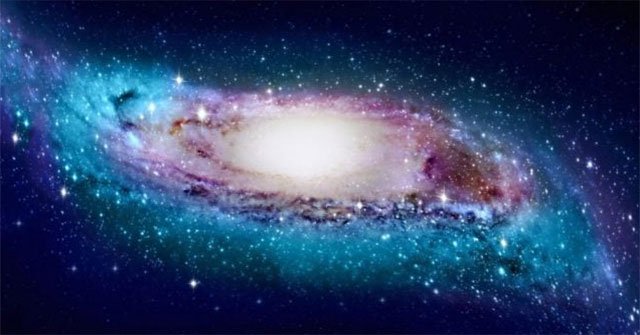
The evolution of elliptical galaxies is completely different from the Milky Way. They go through the infancy so much radiation that no planet of life can survive ...
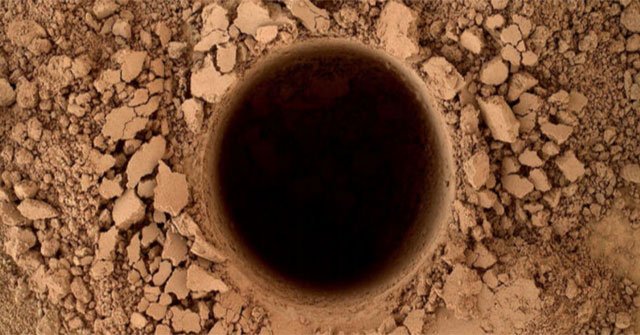
Scientists have issued a warning about the risk of infection of pathogens that humans have never known to astronauts on missions to discover new planets like Mars.

Top experts have said that aliens are much smarter than us.

A mysterious black carpet, a sign of a large-scale fire disaster, found at an ice age site, Younger Dryas, has revealed a terrifying event from space.
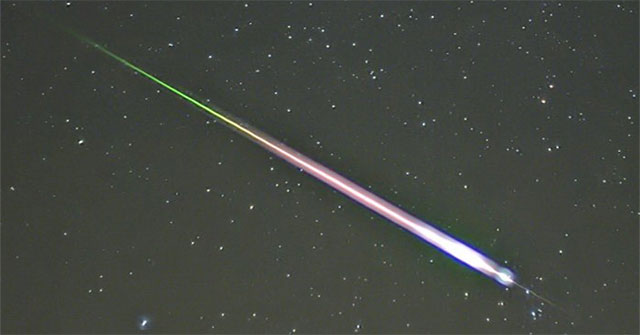
Acfer 086 meteorite found in Algeria was used by scientists using new analytical techniques, first found a protein in outer space.
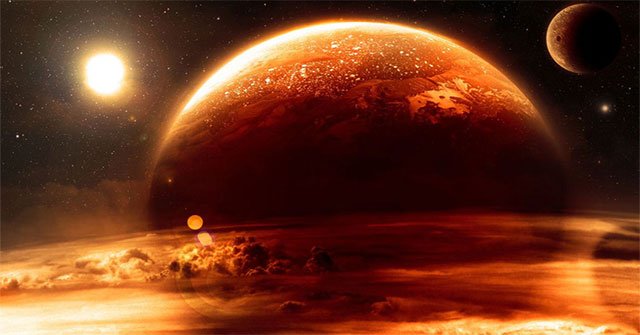
If scientists discovered evidence of alien life, would they recognize it?
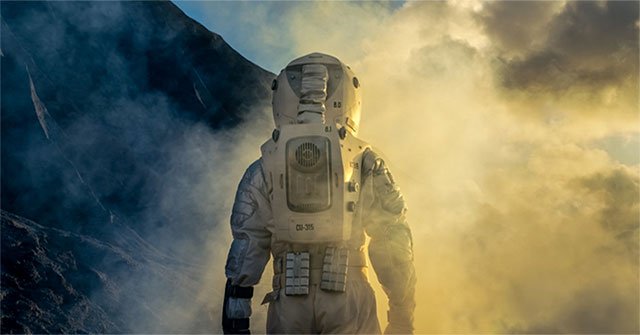
The mission of protecting the planet not only helps the Earth avoid extraterrestrial organisms such as bacteria, but also protects the life forms in space from us.

Is it true that in this vast universe, the Earth is the only place where life exists? Or do aliens have the ability to survive?
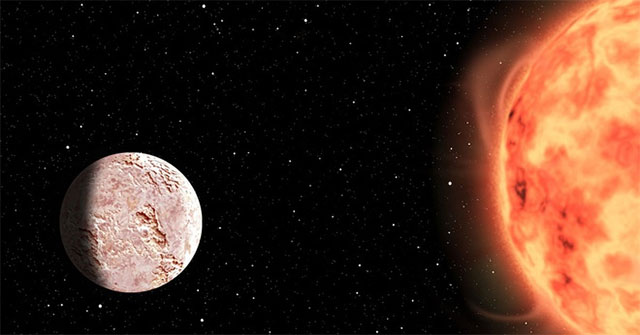
According to Science Alert, this is the right planet to study life in the Milky Way, and help us better understand the planets scattered in this universe.
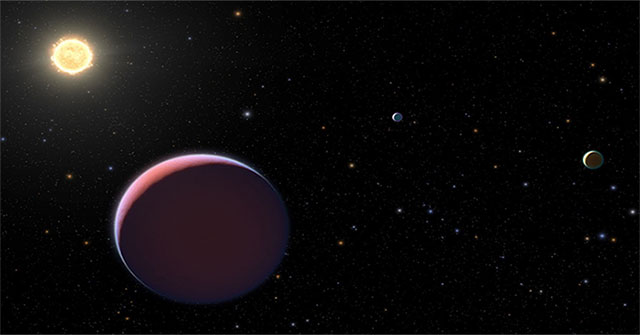
Astronomers found nearly 15 exoplanets in the Kepler 51 star system with a density of less than 0.1 grams of matter per cubic centimeter.

Mysterious objects suddenly appeared in the sky of China at midnight Beijing time, turning the night as bright as day.

And where life comes is Enceladus - the moon of Saturn, where there is an ocean full of water.

The team examined the reproductive health of 12 male 35-year-old male rats living on the International Space Station (ISS) in specially designed cages.