Discover science
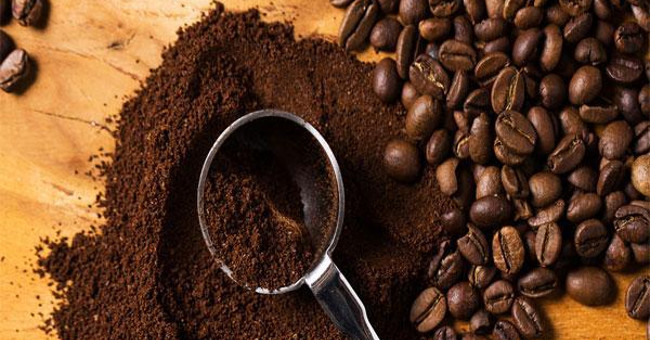
Uses of coffee grounds
Many people know that coffee grounds are very good 'fertilizer' because it enriches nitrogen for the soil, but perhaps few people know that coffee grounds have many othe…
Browse ScienceInfo articles and explainers related to Fertilizer.
138 published items.
Many people know that coffee grounds are very good 'fertilizer' because it enriches nitrogen for the soil, but perhaps few people know that coffee grounds have many othe…
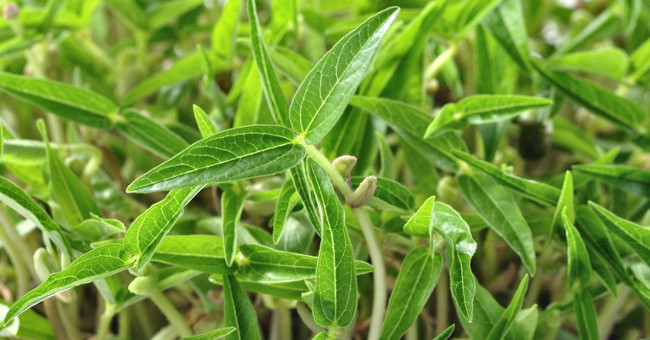
Recent research by scientists has shown that nanoparticles may be the solution to increasing food production in the future but do not affect the use of environmental res…
During the Stone Age around 6,000 years BC, farmers knew how to use cattle manure such as cows, sheep, goats and pigs as a slow-release fertilizer for plants.
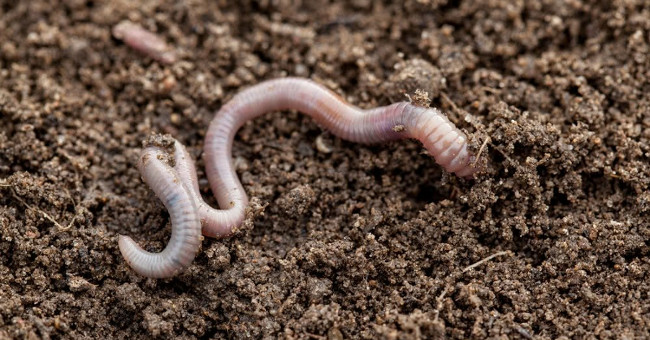
New research shows that earthworms can live and reproduce smoothly in simulated Martian soil
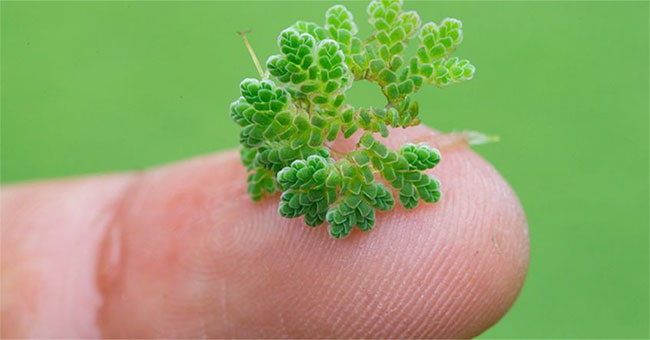

Scientists discovered two new species of plants on a Caribbean island that could trap and kill inexperienced birds.
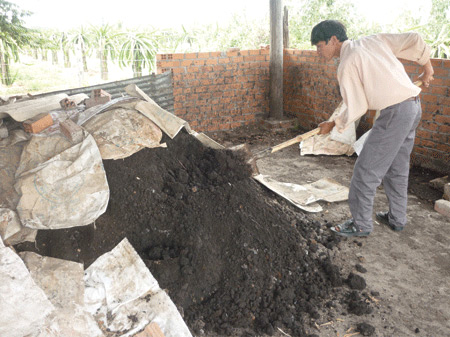
Peat is made up of corpses of different plants. Plant material is accumulated, buried and affected by submerged conditions for many years. With anaerobic decomposition,…
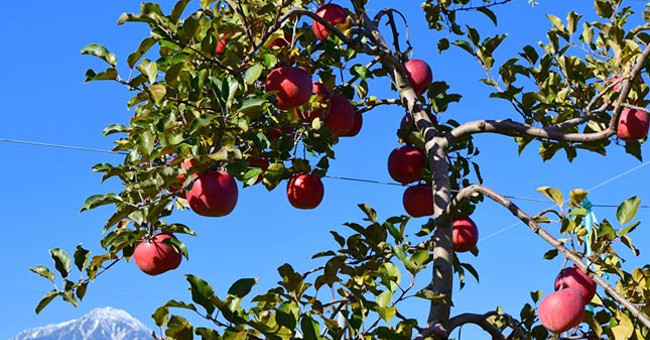
The apples did not use any pesticides and fertilizers, and did not need to be refrigerated and could be used for up to four years without failing.

Using too much fertilizer, especially nitrogen fertilizer in cultivation leads to excessive nitrate (NO3) and dangerous to consumers' health, scientists warn.
Australian scientists have discovered a bacterium that can increase sugarcane production and reduce fertilizer use in farming.
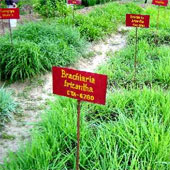
Scientists from Japan and Colombia have developed a new brachiaria grass capable of drastically reducing greenhouse gas emissions.
Synthetic fertilizer for plants is a major source of pollution. This effect is even more pronounced when the fertilizer dissolves and dissolves into the water source.
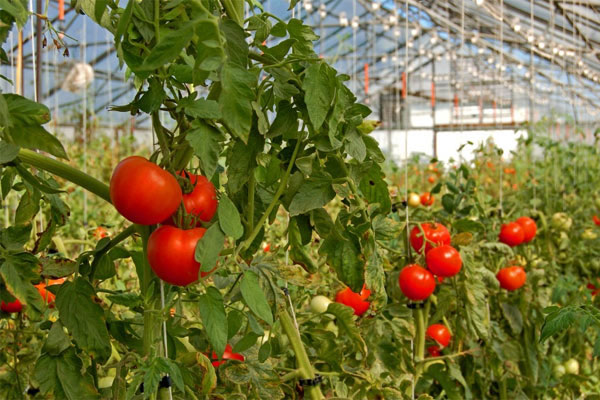
Research by the University of Barcelona (Spain) found that
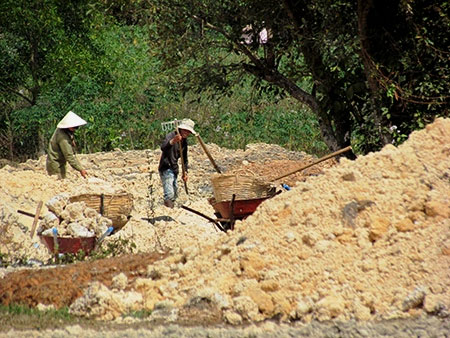
Due to high organic matter content, cassava residue is often used as organic fertilizer for plants.
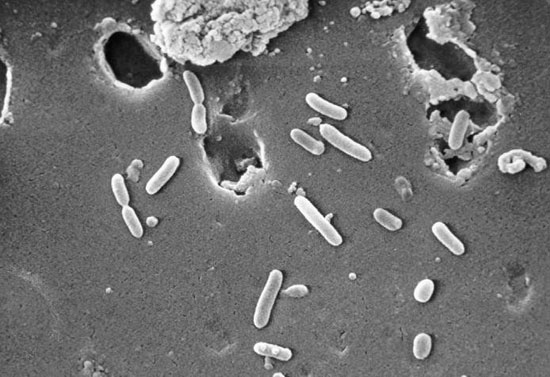
Scientists working at Michigan Technological University, USA, found Pseudomonas capable of removing copper, increasing soil fertility in the soils (formerly copper mines…