Animal world
Strange pets threaten the local ecosystem
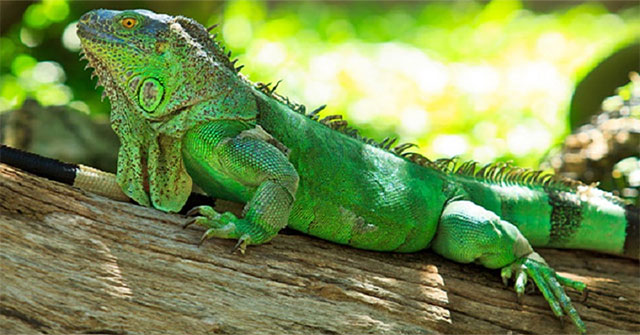
The blue iguanas can invade where nesting eggs of extinct turtles are by digging burrows and breaking leather turtle eggs.
Browse ScienceInfo articles and explainers related to Fish.
2,532 published items.
The blue iguanas can invade where nesting eggs of extinct turtles are by digging burrows and breaking leather turtle eggs.
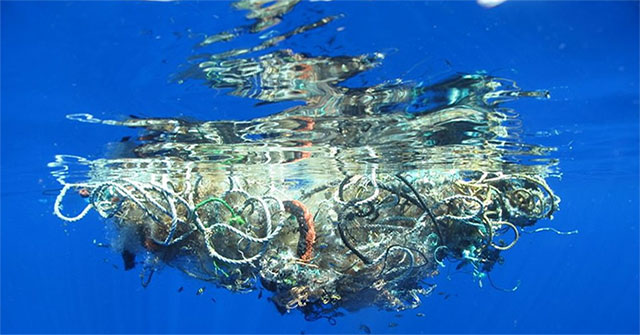
There is an even more terrible kind of garbage than plastic bags and straws, science has just picked up tons of tons on the ocean floor.
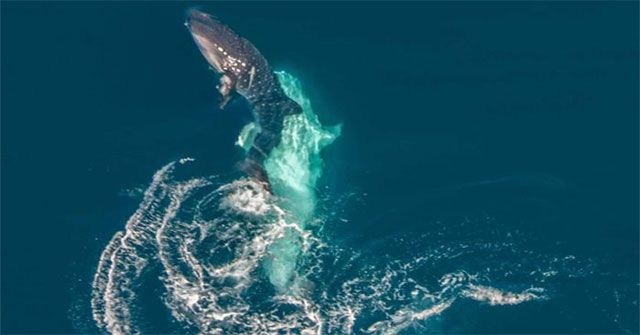
Although one of the largest creatures, the whale's onions are still very mysterious.
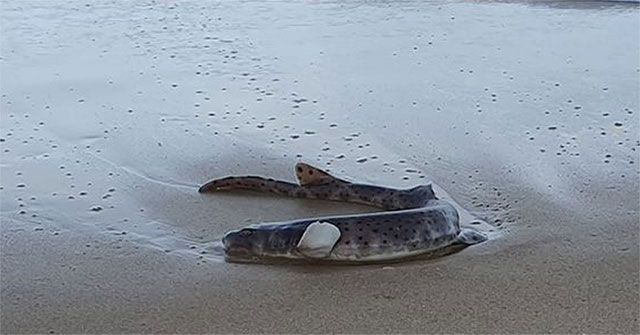
Animal experts later confirmed that it was a rare species of a species of shark. They often eat small fish, live on the ocean floor.
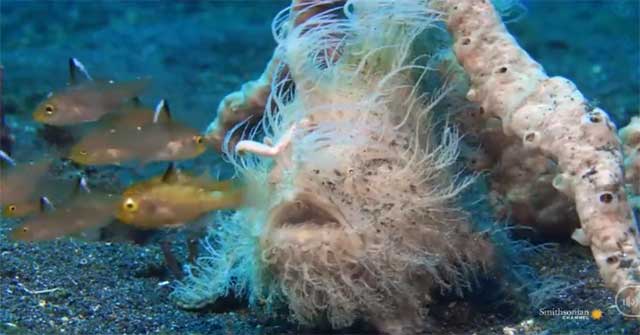
Leaf hair and somewhat ugly is what describes the appearance of this fish, however, it is no coincidence that they own those things.
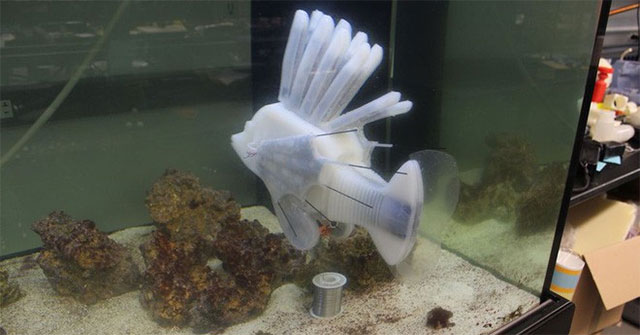
This robot's energy transmission system will simulate blood in our bodies.
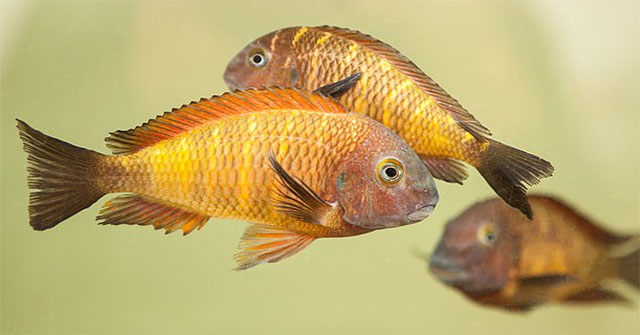
Rejecting ideas that only humans can express their emotions, many scientists have proven that animals are not emotionless and that they are similar in emotions to us.

You look at a fish and know right away it is fish, because they possess a rather characteristic body shape: soft, elongated body consisting of fins and tails. Why do fis…

Stretching over 300km between California and Nevada states of the United States, Death Valley is home to strange natural phenomena, attracting many tourists to visit and…
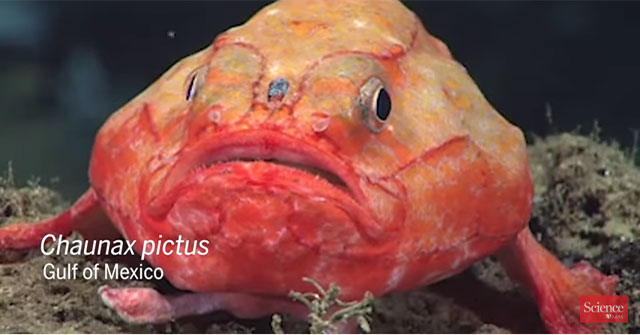
Deep sea puffer fish can hold breaths for 26 to 40 seconds by keeping a large amount of water in the gills.

A seabed predator known as deep sea arowana has developed a unique adaptation to compensate for its relatively small size.

According to Egyptian historians, a unique discovery in the pharaoh Unas tomb helps to better understand advanced civilization of this period.
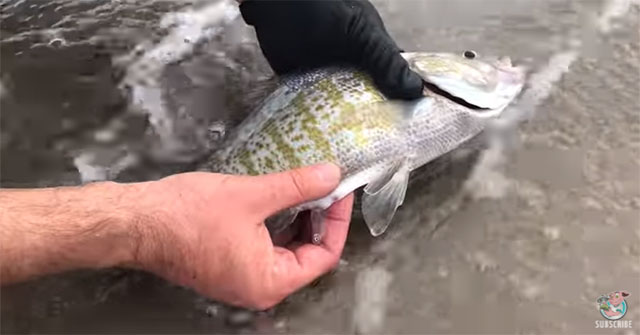
Recently, when fishing with friends on the beach in southern California (USA), a man caught a pretty big surfing fish.

The frame of sharks is made up of cartilage, not bones, allowing them to move flexibly under water.
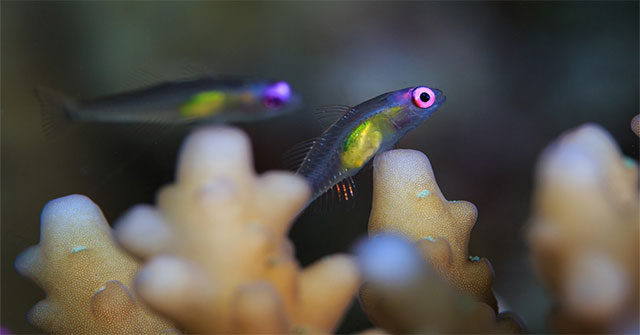
The smallest vertebrate aquatic species - cryptobenthic fish - though less than 2cm long but plays the most important role in the coral region's ecosystem.