Archeology
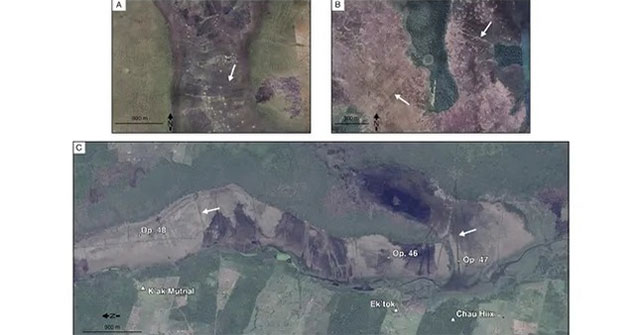
'Shocking' discovery reveals Mayan civilization 4,000 years ago
The discovery of a complex network of fish traps dating back 4,000 years shows how the Maya developed into a civilization in Central America and what is now southern Mex…
Browse ScienceInfo articles and explainers related to Fish.
2,532 published items.
The discovery of a complex network of fish traps dating back 4,000 years shows how the Maya developed into a civilization in Central America and what is now southern Mex…

The woman could not hide her surprise at this special animal.

The appearance of a cloud that looks exactly like a fish surprised many people, even looking at the photo it feels like a collage. How can this be explained?

During winter, finding food becomes extremely difficult for red foxes in North America.
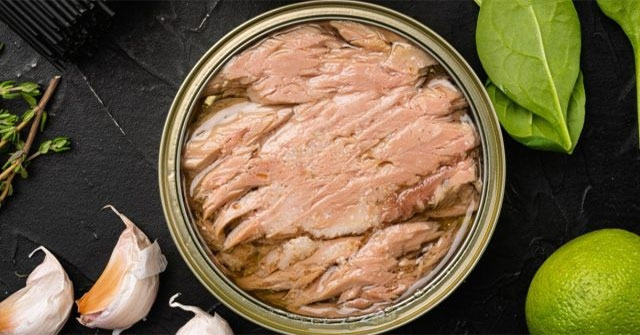
Some people worry about the risk of food poisoning so when eating canned foods such as canned fish or canned meat, they often reheat them thoroughly.

Filmmakers have captured the moment an octopus fires a rock bullet at a predatory fish while hiding in a clamshell, like a sniper.

Throughout history, many unique armors have been designed and used in combat such as
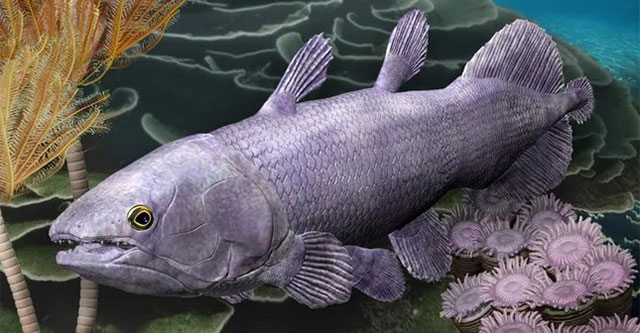
For the past 85 years, the coelacanth has been known as the

One of NASA's spacecraft may have flown past a planet-moon system teeming with life without knowing it.
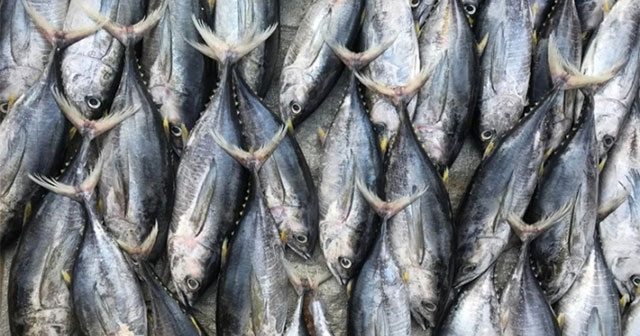
Tuna is one of the fish that contains the most mercury because the long-term feeding process causes them to accumulate mercury in their bodies.
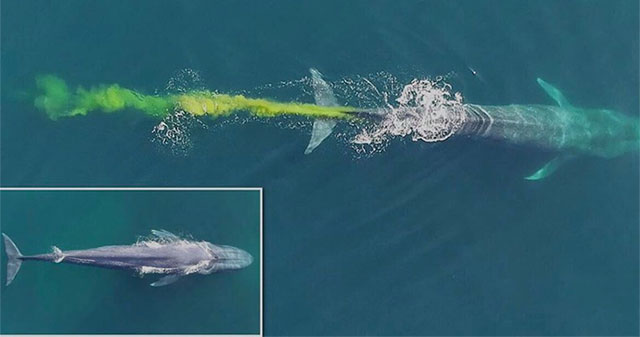
The answer is definitely yes, aquatic animals definitely do pee. Urine from marine life forms an important part of the nutrient cycle in our oceans.
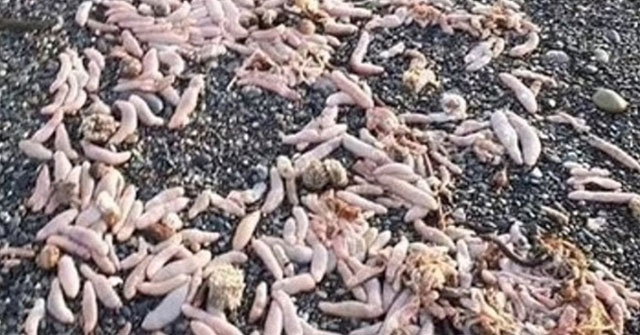
Spoonworms, also known as penis fish, have become stranded along beaches in Argentina after a storm, attracting fishermen to collect them for use as bait.
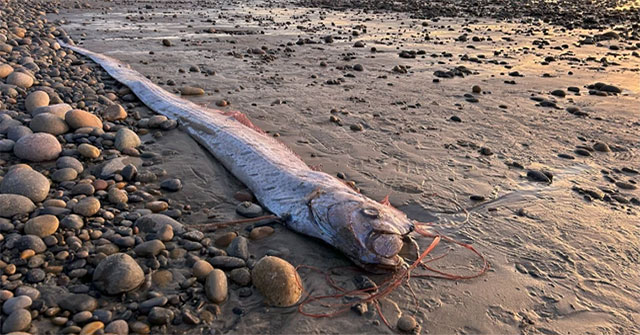
A rarely seen oarfish, believed to be a harbinger of disaster, has washed ashore in California for the second time this year.

The sudden swarm of jellyfish overloaded the cooling system, forcing factory workers to work around the clock to clear the blockage and clean up the mess.
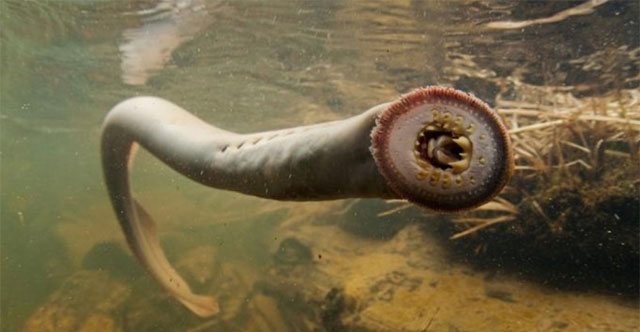
Lampreys, an invasive blood-sucking species, became a nightmare for fishermen across the Great Lakes until scientists discovered an effective compound to kill them.