New technology
Scientists accidentally built a new carbon structure
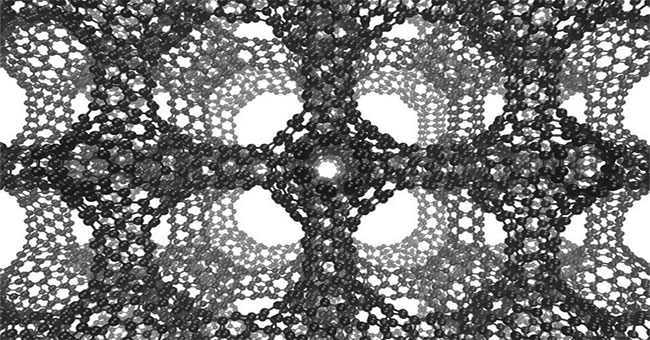
Scientists have created a new form of carbon, opening up another horizon of science and technology applications.
Browse ScienceInfo articles and explainers related to Form.
1,962 published items.
Scientists have created a new form of carbon, opening up another horizon of science and technology applications.
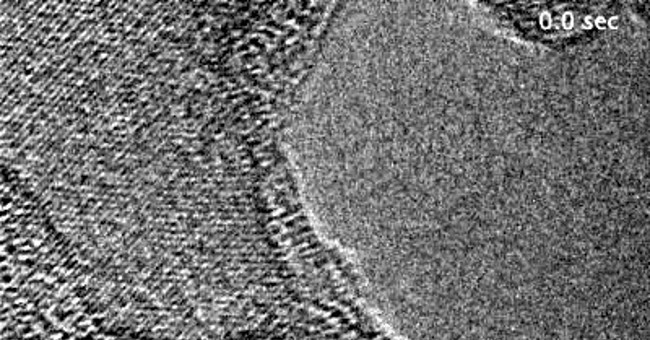
A solid protective layer of metal oxide, when used as a medium thin layer, is capable of deforming as a liquid and filling any cracks and gaps that appear.

If this form of farming is further developed, we can absolutely bring them out into space.

This form of farming is considered as a solution to the difficult problem of world food demand and scarce agricultural land.

In the above study, the researchers created an artificial muscle that was formed from metal or plastic sheets.
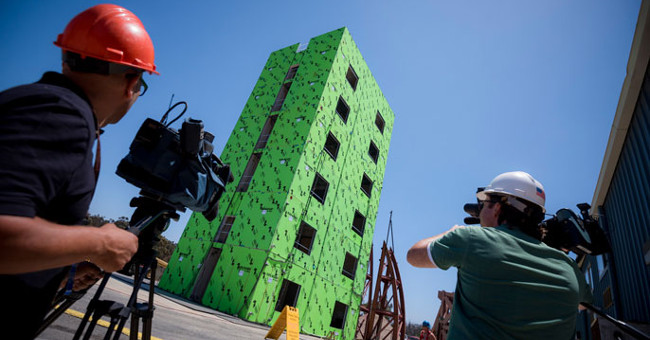
To test the structure of cold-formed steel, a team of engineers came from the University. San Diego built a six-storey CFS steel building on a giant vibrating platform o…
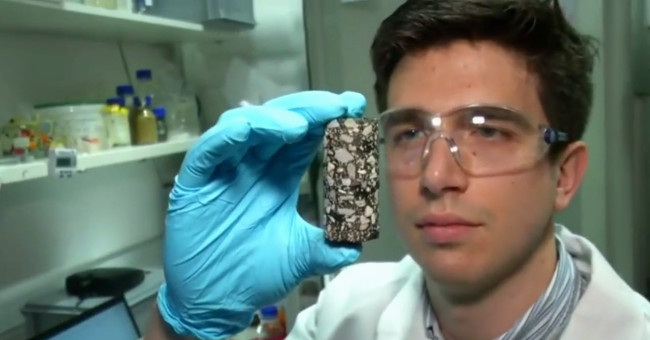
Magnetic nanoparticles are added to the asphalt to form a sugar mixture. The magnetic field is then used to connect the cracks.
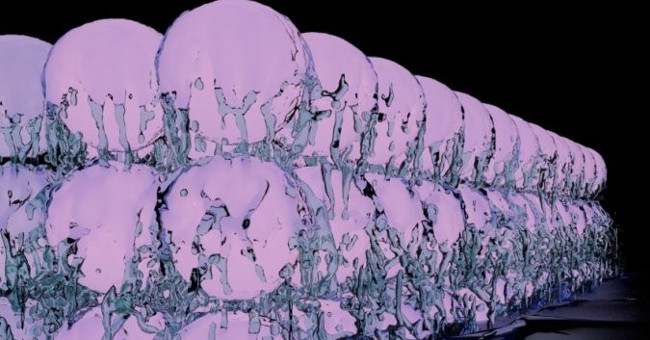
Scientists from Switzerland and the US have announced the creation of a supersolid - a strange form of material that combines solidity and superfluidity simultaneously.
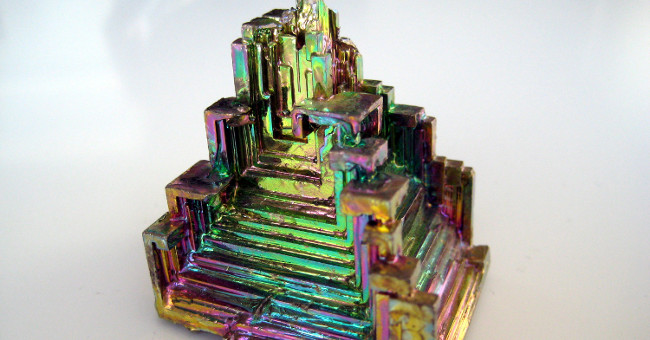
In the existential forms of matter such as liquids, gases and snakes, they are all determined by the structural arrangement of molecules and depend on external condition…
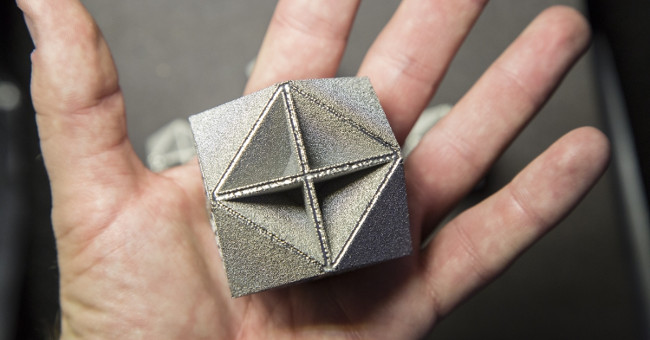
Scientists have proven that the new 3D metamaterial they designed is the first structure of this type to reach the limit of the theory of hardness.
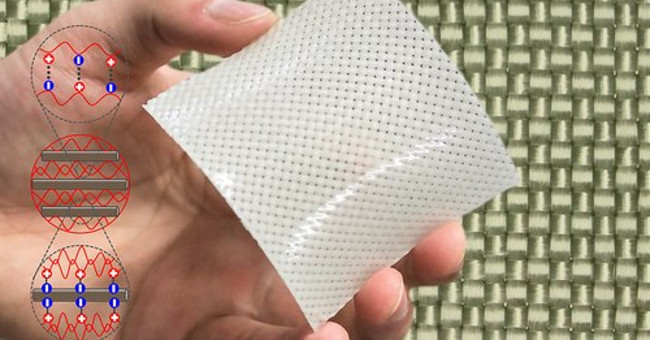
Scientists have created a new type of hydrogel material in the form of fibers, which when combined together into sheets, is five times more rigid than carbon steel, yet…
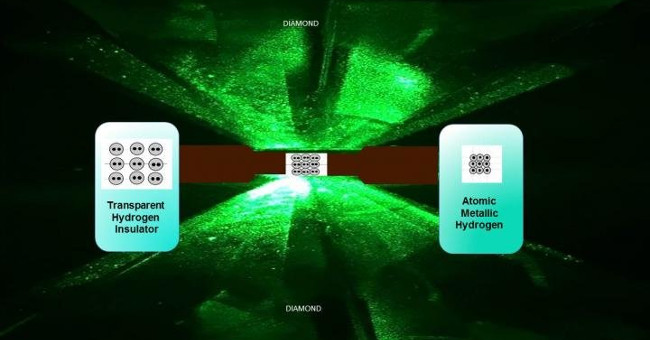
US scientists have successfully created a metal-hydrogen material that could act as a superconductor or as a rocket fuel in the future.

For a long time, love is always a form of romantic relationship with risks
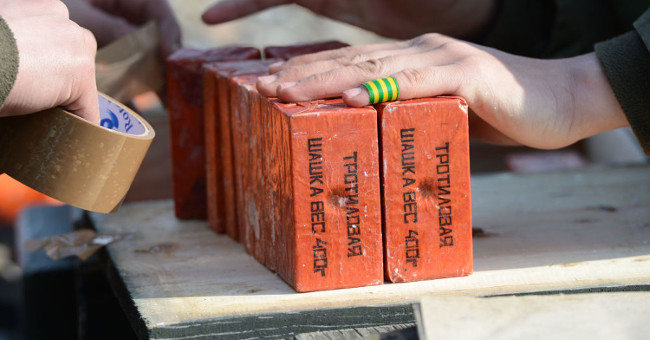
Russian chemists and physicists have found a way to make explosives

Stanford scientists created a three-atom-wide wire with self-aligning diamond crystals.