
Biology
The second human genome
A collection of genetic information encodes all microorganisms that are in harmony in our bodies, collectively called microbiomes, forming a second human genome.
Browse ScienceInfo articles and explainers related to Form.
1,962 published items.
A collection of genetic information encodes all microorganisms that are in harmony in our bodies, collectively called microbiomes, forming a second human genome.
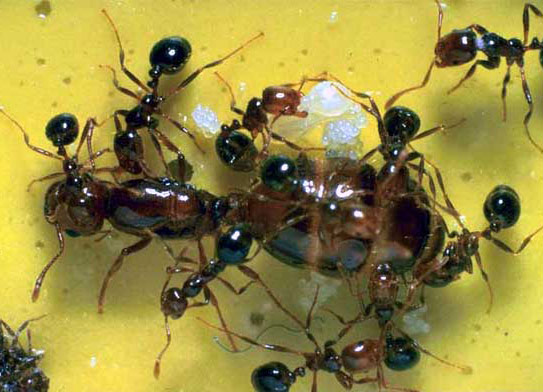
Fire ants use their own bodies to connect with other ants to form lifesavers, capable of floating on the water to help them survive when the water rises.
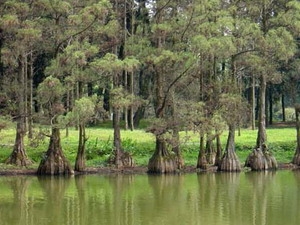
Scientists found that many young yew trees are reproduced in the form of bud regeneration on the injured breathing roots of the mother plant.
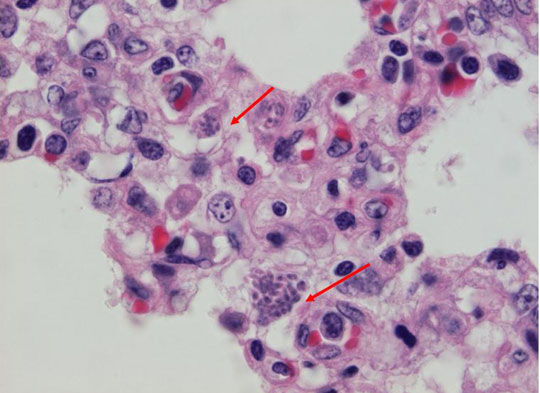
Scientists found the role of ROP18 protein can help parasites form protective membranes when penetrating host cells.
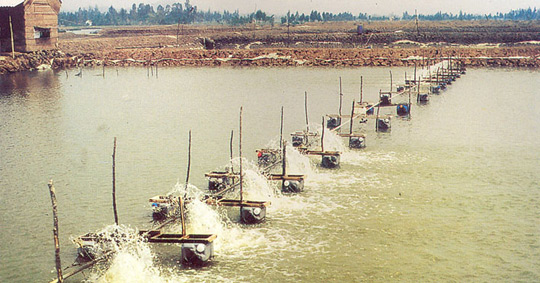
Preparations are used to treat waste, waste water, deodorize, supplement useful microorganisms to increase soil porosity.
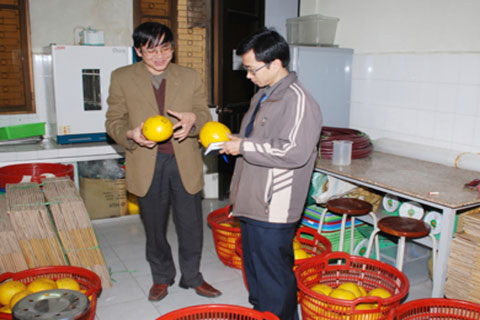
The new film forming technology allows to keep fresh fruits and vegetables as new. This technology is applied experimentally on Vinh cam in Dong Tao commune - Khoai Chau…
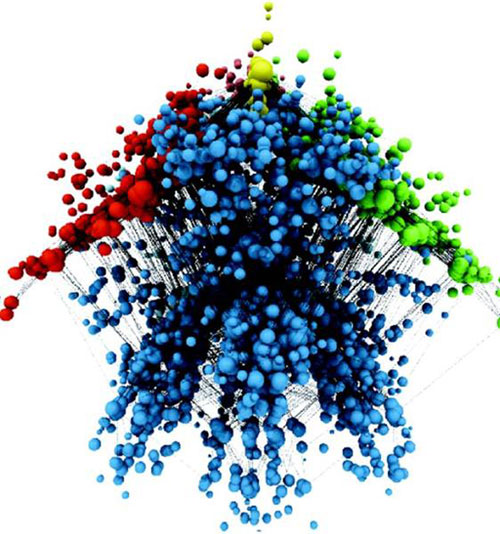
Water (H2O) is a liquid that has nothing to discuss. But when studying at the molecular scale ...

A rather interesting scientific information has revealed that scientists have discovered a gene that allows insects to regenerate their body parts after being removed.

Teeth that have plucked can bring revolution to finding stem cells to develop into any type of cell in the human body.

Italian scientists have captured and observed the state of the formation of the formation and the formation of a

Bacteria in the seabed sediments can take advantage of metallic minerals in sediments, form the nano-grid and generate electricity.

German scientists have discovered that a form of molecule can inhibit the formation of arteriosclerosis plaque.

French scientists from the National Center for Scientific Research and the recent Pasteur Research Institute have discovered the growth mechanism of blood-forming stem c…

Some types of viruses can bind together, forming complex structures similar to bacterial organisms.
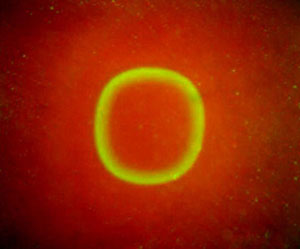
Each bacterium knows itself so small that it is impossible to act on its own. So bacteria often wait, divide, and then engage in activities that require collective assoc…