Space science
Strange objects invade the Solar System to... build a new planet?
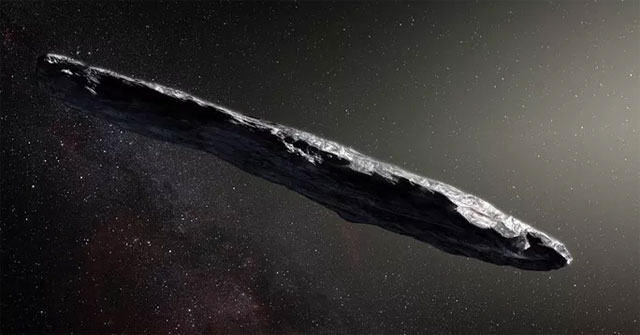
New US research shows that interstellar objects like the asteroid Oumuamua or comet 2I/Borisov contribute greatly to the formation of planets.
Browse ScienceInfo articles and explainers related to Formation.
530 published items.
New US research shows that interstellar objects like the asteroid Oumuamua or comet 2I/Borisov contribute greatly to the formation of planets.

The researchers used specialized equipment to create the ice structures found in the cores of planets like Neptune and Uranus.
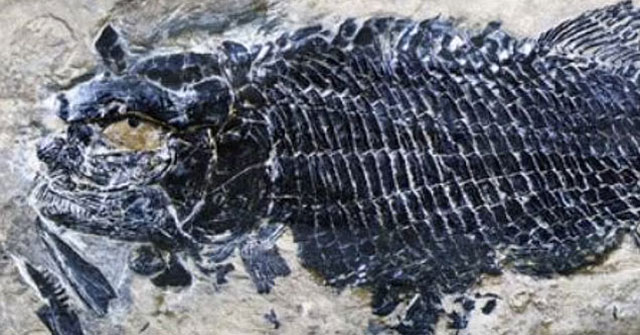
Paleontologists found three of the oldest known bony fish specimens in the Guanling Formation in Yunnan province, China.

Although this desert is small in size, it makes everyone curious to explore, because the secrets and rumors here make scientists also helpless.
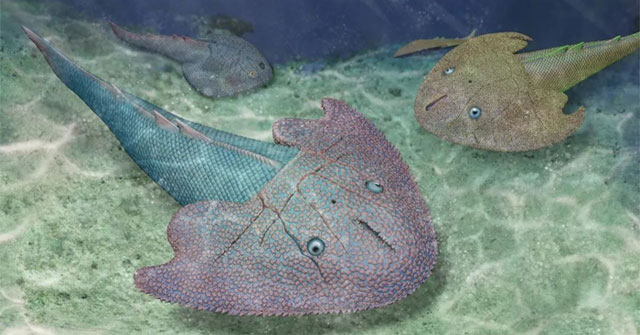
The monster with the bizarre triangular head is a creature that is in the process of evolving from jawless vertebrates to jawed vertebrates.
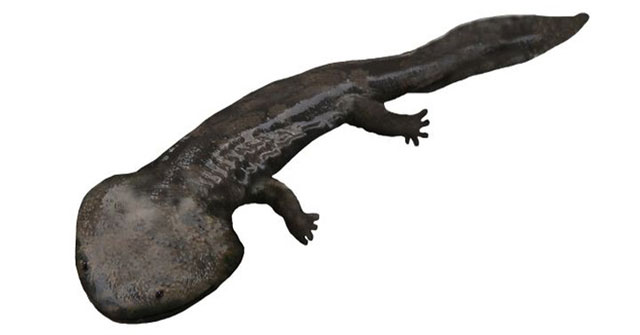
Today, the Chinese giant salamander is considered the largest species of salamander in the world as well as the largest amphibian, up to 180 cm long, but in the past, in…

Scientists found exoplanets the size of Neptune orbiting the star AU Mic, 32 light-years from Earth.
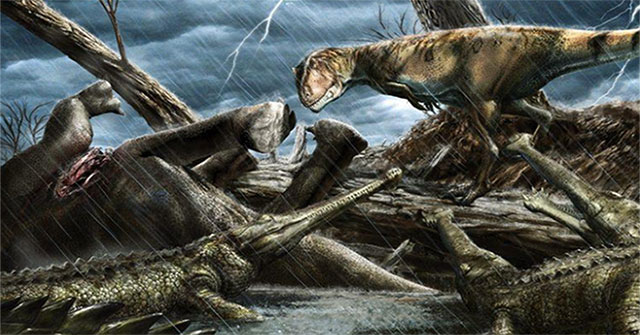
Scientists have turned back on planetary history and discovered that an area of the Sahara is actually the Earth's death zone, the birthplace of the most terrifying be…
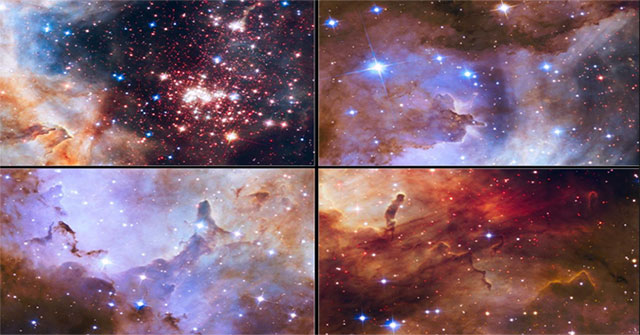
New research results from the Hubble Space Telescope show that the formation of the first stars and galaxies in the early universe occurred earlier than previously thoug…
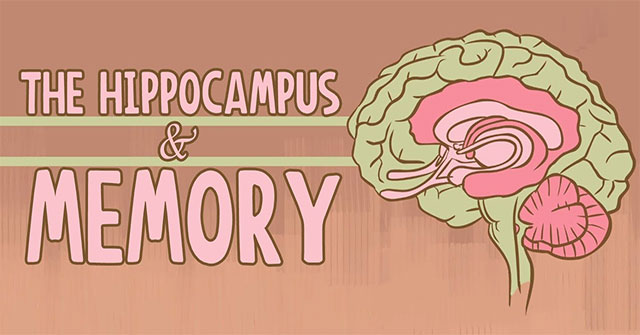
What happens in the hippocamp even before people try to form memories can affect whether they remember it or not.
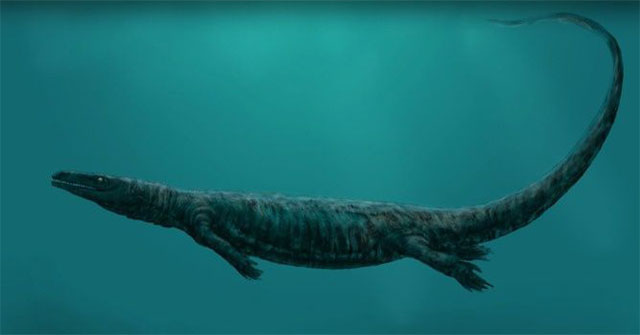
Pannoniasaurus is a relative and smaller version of the famous aquatic monster Mosasaurus. They are famous for being the first known species of Mosasaur to live in fresh…
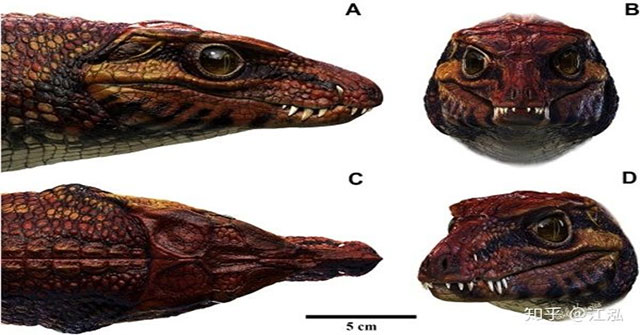
Reptiles are animals that do not have vocal cords, so they are often very silent, but archaeologists have discovered a prehistoric crocodile in the extreme Cretaceous pe…
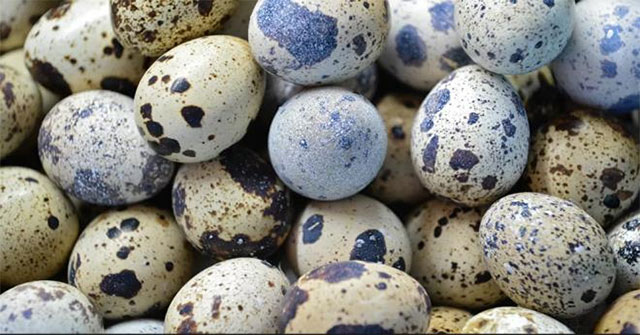
Russia is expected to send quail eggs and incubators to the International Space Station (ISS) next year to study embryo development.
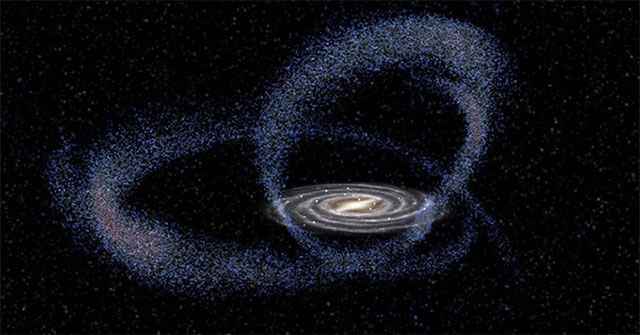
The Sagittarius dwarf galaxy, about 26,000 light-years from the Milky Way galaxy, could be a boost to the Sun's formation.
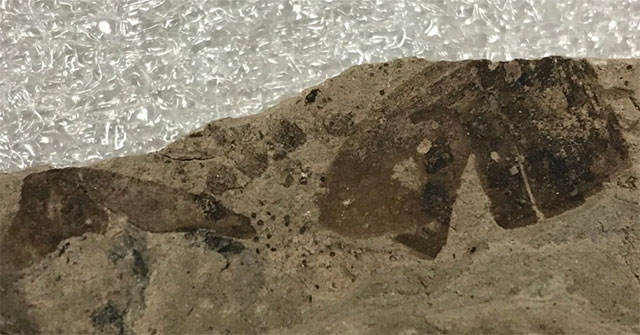
Researchers have announced the discovery of a fossil of a strange insect named Morrisonnepa Jurassica in Utah, USA.