Space science
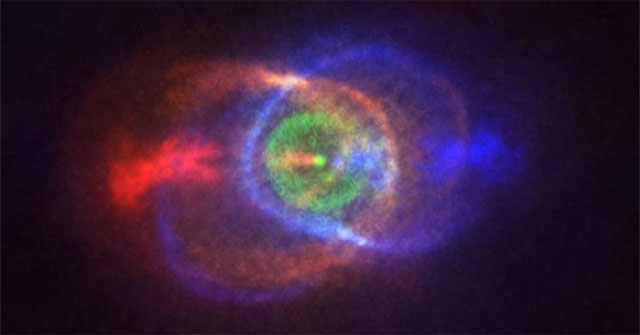
The rainbow nebula created by an interstellar battle
The ALMA telescope captures a beautiful multicolored gas cloud surrounding two fighting stars in the Centauru constellation more than 6,800 light-years from Earth.
Browse ScienceInfo articles and explainers related to Gas.
1,386 published items.
The ALMA telescope captures a beautiful multicolored gas cloud surrounding two fighting stars in the Centauru constellation more than 6,800 light-years from Earth.
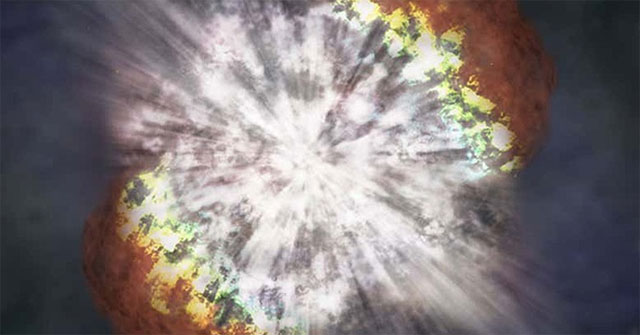
Researchers think the Ia supernova is 100 times brighter because it hits a cloud of matter, creating an explosion of light.
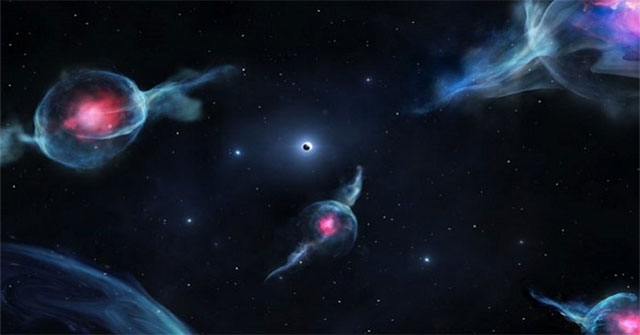
Astronomers discovered six objects orbiting the supermassive black hole Sagittarius A * in the center of the Milky Way, most likely a merged star cloud.
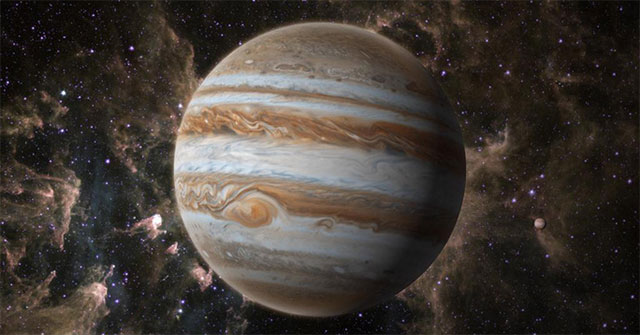
The research results show that the gas giant of the Solar System is not exactly the bodyguard of Earth and other small rocky planets as previously thought.
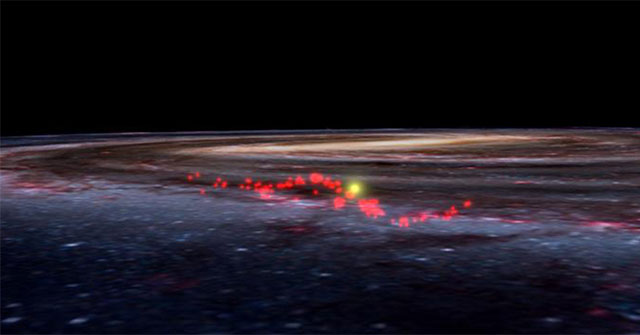
Astronomers today announced the discovery of a wave pattern of wavy gas that reaches 9,000 light-years across our Milky Way.

In 1986 when the famous Halley comet came back, its tail was especially noticeable.
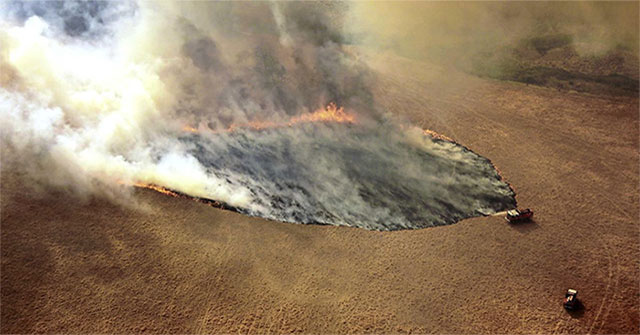
Carbon emissions from forest fires raging in Australia are on par with the carbon emissions caused by the Amazon rainforest fire disaster last year.
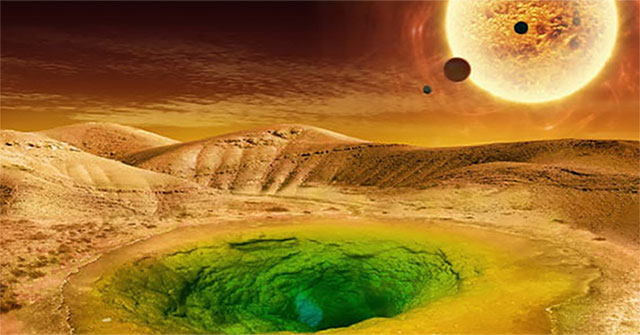
Phosphine is a chemical compound between phosphorus and hydrogen, the chemical formula is PH₃. This is a colorless, very poisonous gas with a garlic smell. Recently scie…
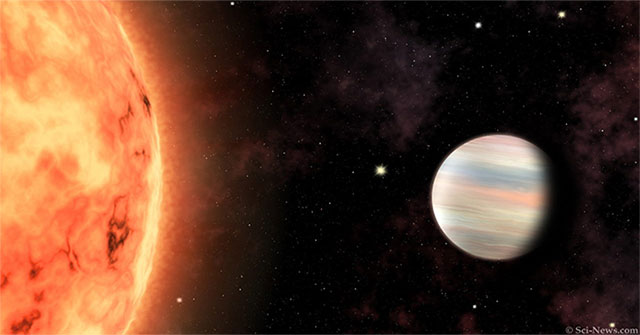
NASA's alien world hunter TESS continues to discover two giant planets, where one year is only 1.64 to 3.7 Earth days long.
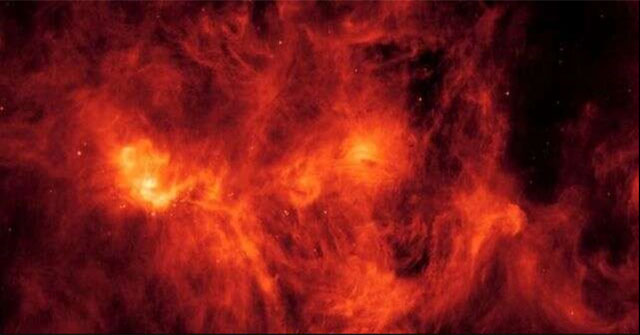
NASA's Spitzer space telescope captured the fiery moment of a giant mass of gas and dust that spanned more than 500 light-years.
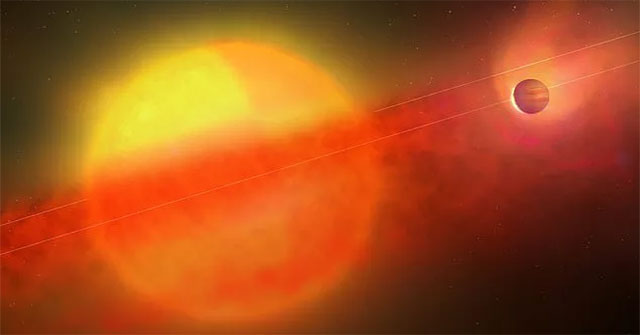
Hot, strange worlds how we are 160 to 440 light years away may be the key to our understanding of how the earth was formed.
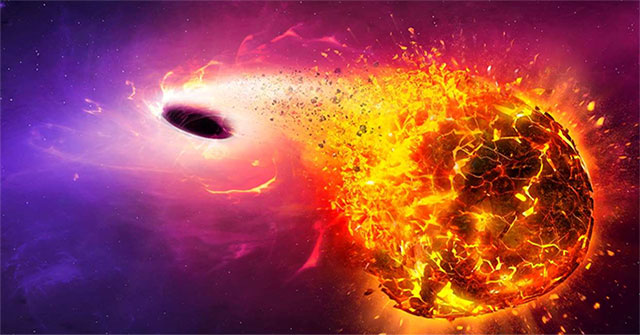
Scientists have revealed what they believe to have 'fed' supermassive black holes in the early universe.
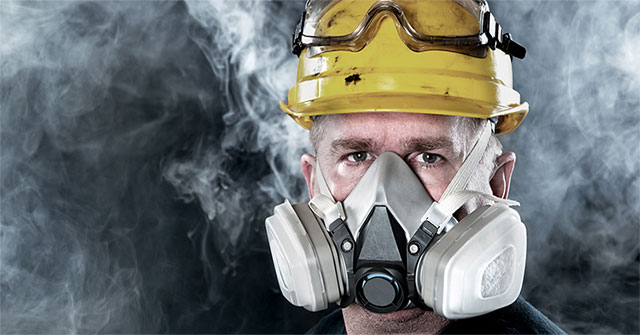
In nature, H2S gas has a very strong and fast effect on the body, similar to cyanide poison.
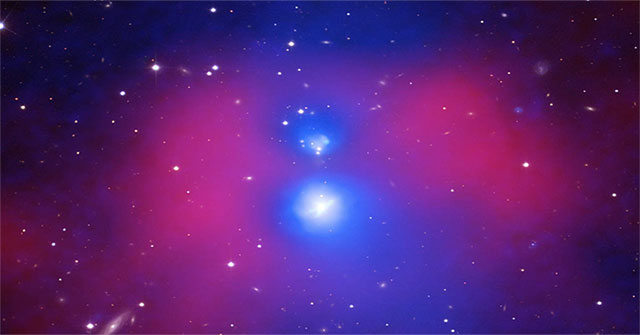
The scientists observed two groups of galaxies rushing at each other at 4.6 million kilometers per hour, preparing to form a large cluster.
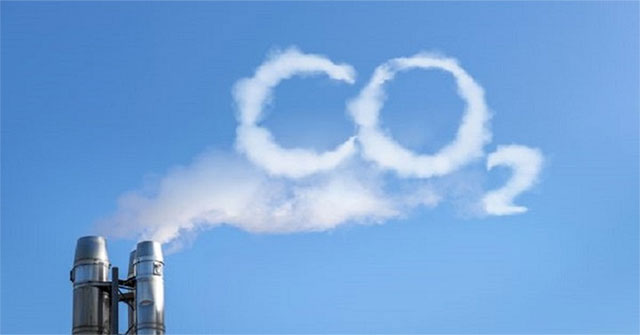
Soaring levels of CO2 in the atmosphere affect our health in many ways.