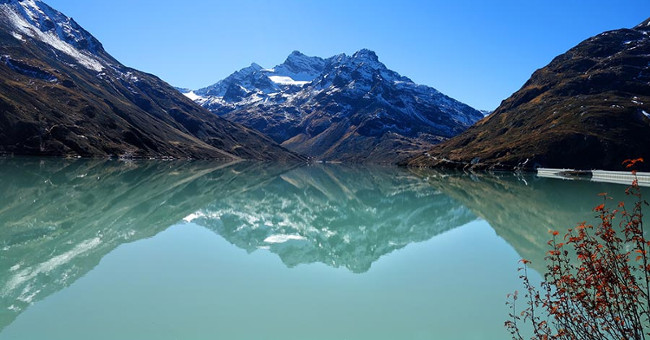
Environment
Melting ice releases toxins from the 20th century
Despite its transparent appearance, thicker layers of ice will accumulate more pollutants in the surrounding environment.
Browse ScienceInfo articles and explainers related to Gas.
1,386 published items.
Despite its transparent appearance, thicker layers of ice will accumulate more pollutants in the surrounding environment.

The energy needs of humankind were present hundreds of thousands of years ago, when people knew how to use fire in daily activities to barbecue meat, chase wild animals,…
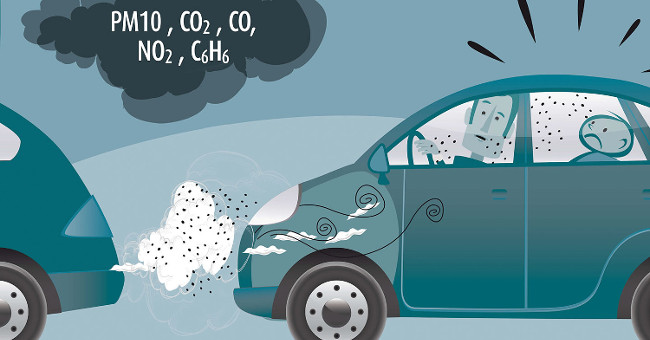
Regardless of the vehicle, after starting the engine, the exhaust system will also escape a variety of emissions, mostly toxic gases with much less content.
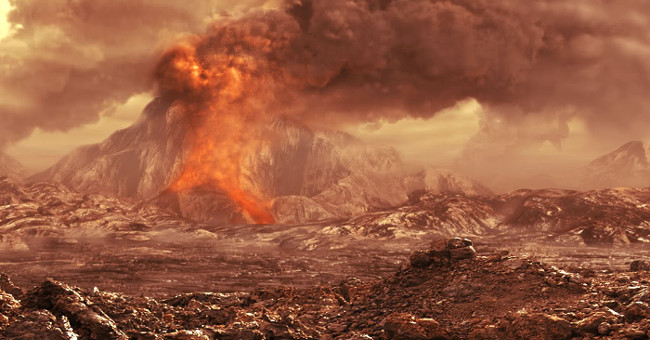
With the destruction of about 800 million tons of TNT, the Tambora volcano erupted on April 10, 1815 in Sumbawa, Indonesia was the biggest shocking explosion in human hi…
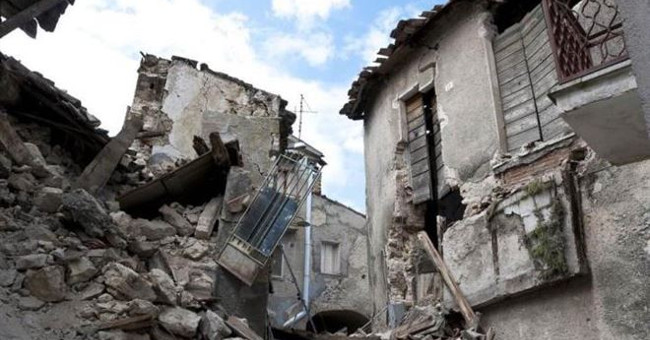
A group of geologists in the UK have established a database of earthquakes caused by human activities.
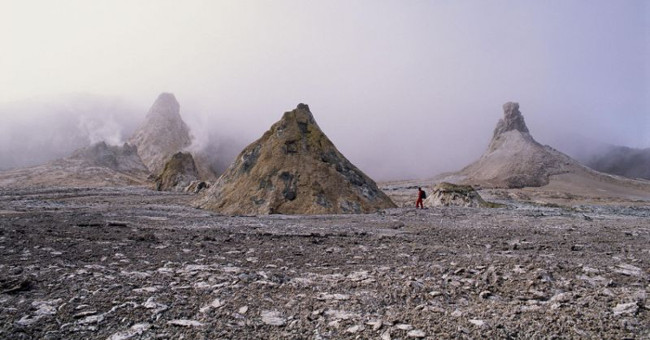
British scientists discovered the world's largest helium gas mine in Africa with reserves of about 1.5 billion m3.

Each color corresponds to 1 wavelength, frequency and carries different energy. Purple light has the shortest wavelength in the visible spectrum.

These lakes are famous for their quiet space and beautiful scenery, but they also contain unpredictable dangers.

The authorities have advised people in the affected area to close their doors in their homes and others stop moving near the area.
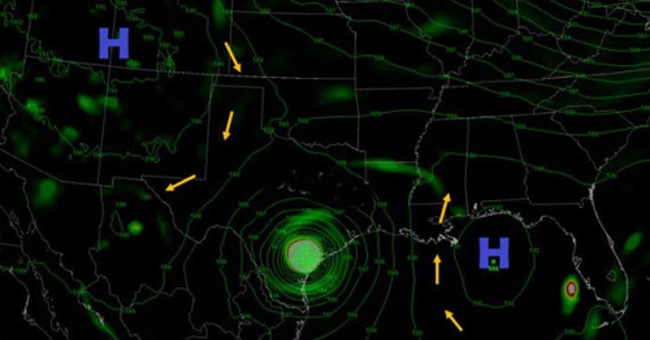
The city of Houston, Texas, USA is suffering catastrophic flooding when tropical storm Harvey continues to cause heavy rain with an estimated rainfall of 40-65cm in the…
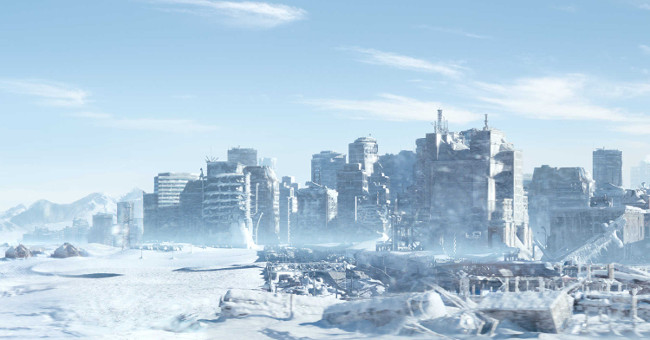
Climate news has become alarming in the last few years, especially in the last few months.

According to a reporter in Mexico, a pilot plant was built to produce this biodiesel.

Fire ice is usually stable in conditions of deep seabed at least 300m or more, oceanic islands and in permafrost, in the form of solid like small snowballs.
By 2400, CO2 concentrations could exceed all the limits recorded in geological records.
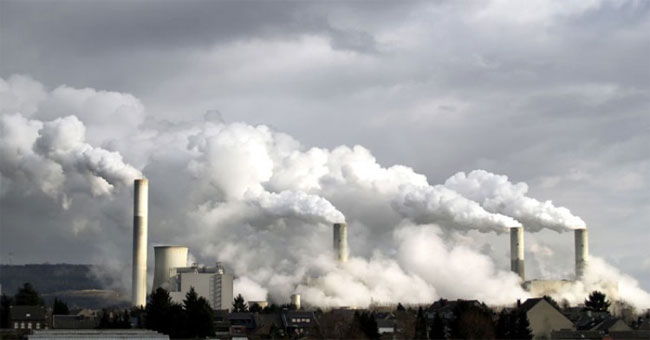
The concentration of greenhouse gases carbon dioxide (CO2) on Earth has just exceeded 410 ppm for the first time in human history.