Environment
Alarming acidification in the Arctic Ocean
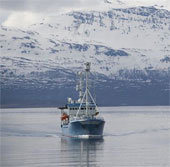
Greenhouse gas emissions are making acidification of the Arctic Ocean faster than other oceans on Earth as a result of an international study published in Canada on May…
Browse ScienceInfo articles and explainers related to Gas.
1,386 published items.
Greenhouse gas emissions are making acidification of the Arctic Ocean faster than other oceans on Earth as a result of an international study published in Canada on May…
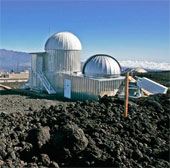
Mauna Loa is the oldest monitoring station for carbon dioxide (CO2) in the world located on Mauna Loa volcano in Hawaii.

US scientists have discovered materials can 'hold' and concentrate methane, the second highest concentration of greenhouse gases in the atmosphere.
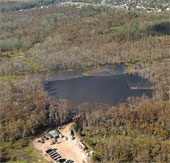
Last year's earthquakes were a clear sign of the formation of a giant, gas-filled hole in southeast Louisiana (USA).

The fierce tsunami like 2011 will no longer be a nightmare for the people of the rising sun when Japan completes a 20m high wave wall, 230m stretching around Wakayama co…
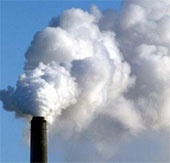
The world will face even more catastrophic warming than expected and if it does not change the trend of increasing greenhouse gas emissions.

For the first time in TT-Hue, Biogas made from polluted waste is used as lighting energy at many roads in Hue city, opening up the prospect of public lighting applicatio…
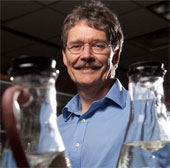
The excess of the permissible limits of carbon dioxide in the earth's atmosphere is due to the widespread use of fossil fuels, which is the main cause of global climate…

According to scientists, climate change prevention not only needs to limit greenhouse gas emissions but also include the development of technologies to remove carbon dio…
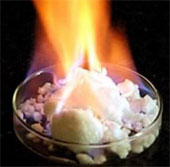
A week ago, Japan became the first country to exploit natural gas from methane hydrate (burning ice) on the sea floor.
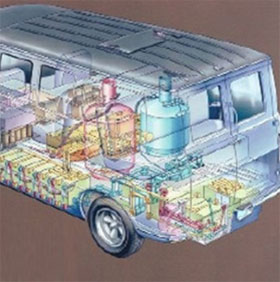
A British man said he built a car engine, instead of running on gasoline, would run on liquefied oxygen gas. Peter Dearman moved the engine in his 25-year-old Nova Vauxh…
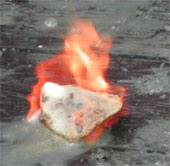
On March 12, Japan's Ministry of Economy, Trade and Industry said the country extracted natural gas from a new energy source called methane hydrate (also known as ice bu…

To reduce CO2 in the atmosphere one can 'catch' carbon and then put it into underground reservoirs. However, this way is both difficult to achieve high efficiency in pra…
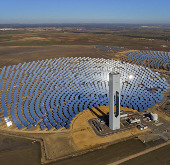
Aiming to reduce greenhouse gas emissions by 80% compared to 1990, the world is looking for new, feasible and sustainable solutions.
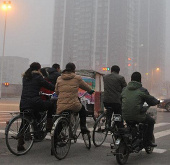
Katherine Ensor, a statistician at Rice University in the United States, and colleagues analyzed data on more than 11,600 people who experienced a heart attack in Housto…